

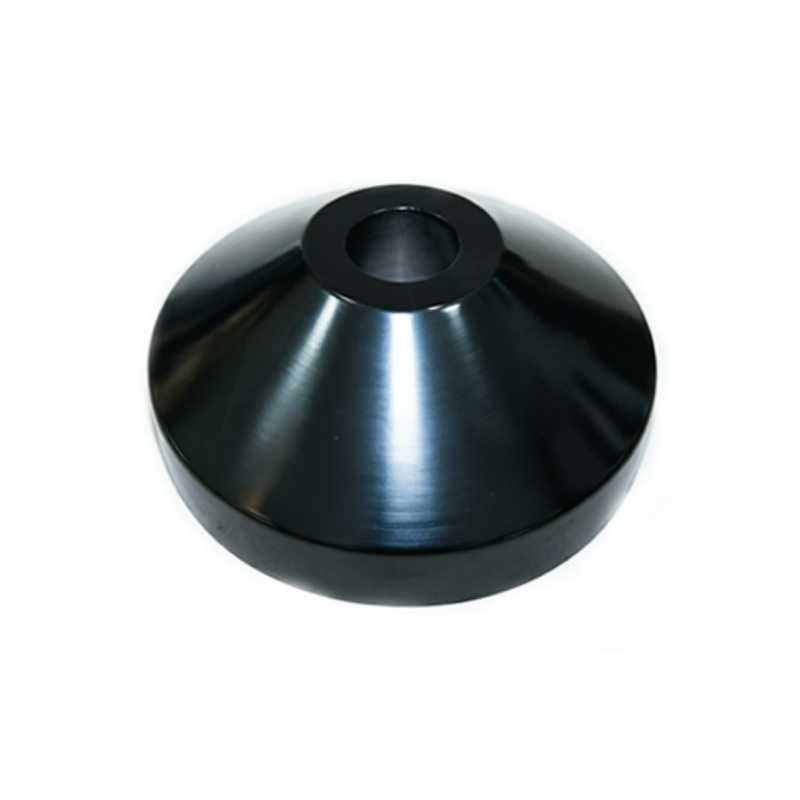
Cone head / Feed cone
Our Services
1.Before sales, we will fully understand the customer's working conditions and recommend the most appropriate material selection to the customer.
2.Provide customers with drawings based on their machine models, spare parts dimensions, etc.
3.After sales, we will continue to pay attention to the usage of the product and provide timely help.
4.Ensure that the quality of the purchased components is impeccable, and the technical parameters absolutely meet national standards.
5.Provide free quotation, worldwide sales, short delivery cycle, low price.
1. Core Functions
Even Material Distribution: Material falling from the feed opening first strikes the feed cone. Utilizing its specific conical shape, the feed cone evenly guides and distributes the material around the crushing chamber (the annular space between the bowl liner and the mantle), preventing uneven loading.
Protection of Core Components: Acting as the first line of defense as material enters the crushing chamber, it absorbs the initial impact. This protects critical internal transmission components, such as the main shaft and the inner head, from direct wear and damage.
Material Flow Guidance: A well-designed feed cone optimizes the material flow trajectory within the crushing chamber, preventing blockages and ensuring the crusher operates at peak efficiency.
2. Common Materials
Since the feed cone is subjected to the most intense impact from falling material, it must possess extremely high impact resistance and wear resistance. Common manufacturing materials include:
High Manganese Steel (e.g., Mn13, Mn18): Features excellent toughness and work-hardening characteristics. Its surface hardens rapidly under severe impact, making it highly suitable for withstanding strong impacts from large feed blocks.
High Chromium Cast Iron (e.g., Cr20, Cr26): Offers extremely high hardness (HRC58-65) and superior wear resistance, making it ideal for highly abrasive materials, though its toughness is relatively lower.
Composite Materials: To balance toughness and wear resistance, some high-end feed cones utilize composite casting processes that embed hard alloys or ceramic particles (such as alumina or ZTA ceramics) into a metal matrix. This can extend service life to 3 to 6 times that of standard metal parts.
3. Structural Design Features
Conical/Arcuate Surface: The surface is typically designed to be a smooth cone or arc to reduce resistance during material descent and allow material to slide smoothly toward the periphery of the crushing chamber.
Split vs. Monolithic Designs: Smaller crushers typically use monolithic (single-piece) feed cones. For larger crushers, split designs (assembled from multiple segments) are usually adopted to facilitate easier replacement and reduce casting difficulties.
Surface Reinforcement Ribs: Some feed cones feature reinforcement ribs or specific textures on their surface to enhance structural strength or alter the projection angle of the material.
4. Maintenance and Replacement Recommendations
Synchronized Replacement: During routine maintenance of cone crushers, it is generally recommended to replace the feed cone simultaneously with the mantle. The wear condition of the feed cone should be inspected every time the mantle is dismantled.
Padding Material: When installing the feed cone onto the main shaft/head, specialized padding material (such as zinc alloy, epoxy resin, or dedicated backing compound) is usually required between the feed cone and the head. This not only secures the part in place but, more importantly, provides shock absorption to protect the feed cone from fracturing under severe impact.
Wear Monitoring: Severe wear or uneven wear on the feed cone can lead to uneven material distribution. This may cause excessive unilateral loading on the crusher, increased vibration, and even abnormal wear of the liners. Therefore, regular inspections and timely adjustments or replacements are necessary.
Relevant parts
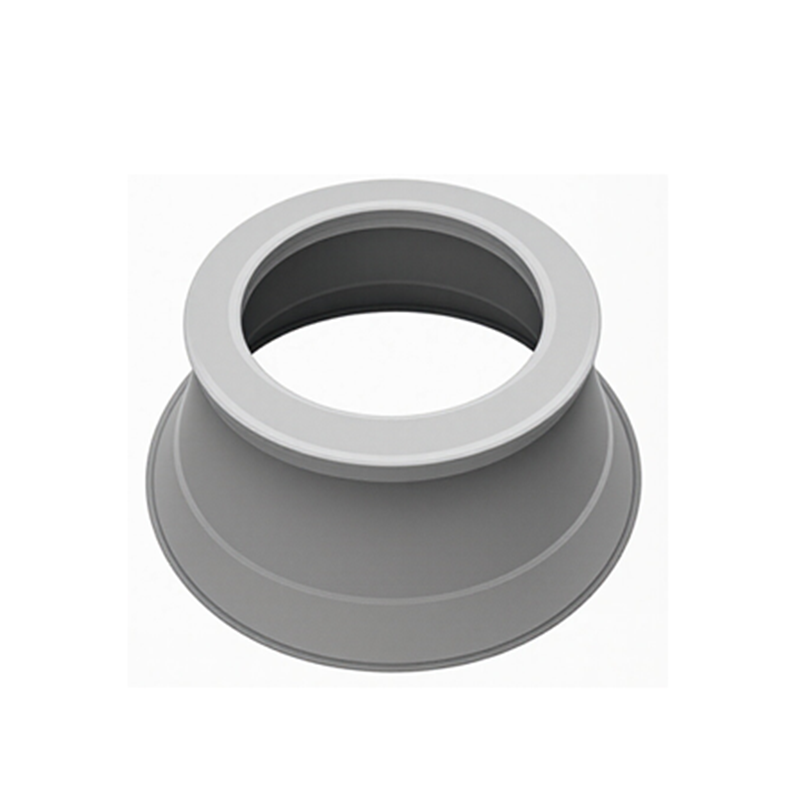
Concave, Bowl Liner, Fixed Cone Liner
- Categories : Cone Crusher
- Customization Available : Yes
Service Process
The company's sales network covers all major cities across China, while our R&D and manufacturing products have reached numerous countries and regions in Southeast Asia, the Middle East, Africa, Europe, and beyond, earning widespread acclaim from customers worldwide.
FAQs
We have 30+ years of industry experience, a professional team of engineers, strong production strength and mature equipment.
The company has a complete accessory system to provide you with reliable and fast accessory services, complete models, high-quality and durable accessories.
Engineers personally go to the site for technical training in installation, operation and maintenance to help you solve installation and operation problems.
We provide lifelong service for the equipment we sell, including post-maintenance services.
We have professional technical experts and service teams to tailor solutions for each customer.
The mainframe is designed for continuous heavy-duty operation. Wear parts such as jaw plates, liners and blow bars are made of high-manganese steel or alloy materials, and their service life depends on the material hardness and working hours.
Every machine goes through material inspection, machining inspection, assembly and a full no-load test run before shipment. Inspection records and test videos are provided to customers.
Warmly welcome. You can visit our manufacturing base in person, and remote video inspection is also available for customers from overseas.
Yes. Package orders of a full line or multiple machines usually receive a more favorable price and priority in the production schedule.
Large mainframes are shipped by sea in containers or bulk vessels; smaller machines and spare parts go by container, air freight or international express, with full packaging for moisture and rust protection.