

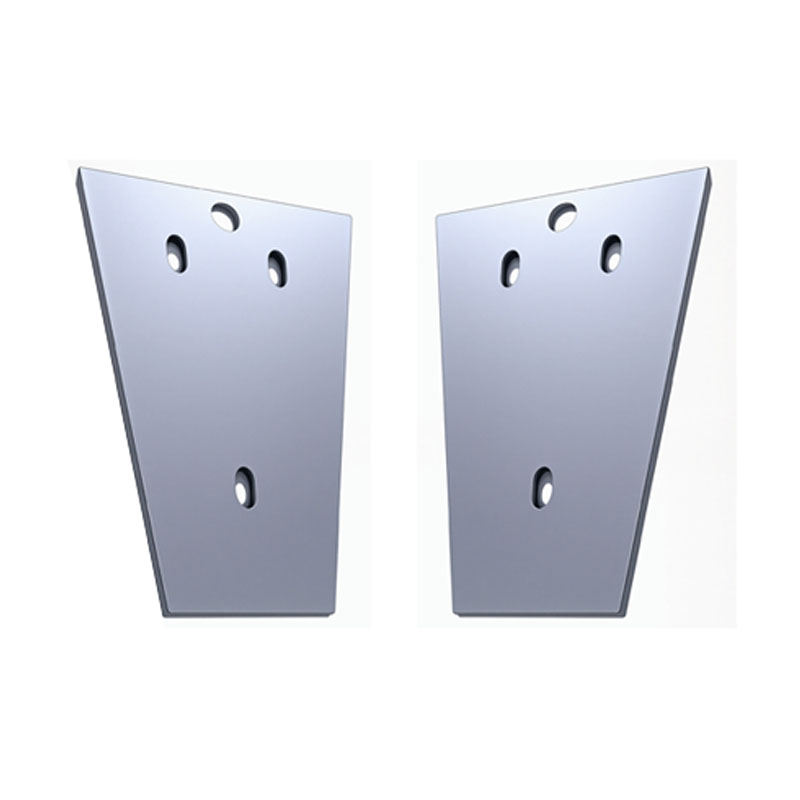
Lower Side Guard / Lower Cheek Plate
Our Services
1.Before sales, we will fully understand the customer's working conditions and recommend the most appropriate material selection to the customer.
2.Provide customers with drawings based on their machine models, spare parts dimensions, etc.
3.After sales, we will continue to pay attention to the usage of the product and provide timely help.
4.Ensure that the quality of the purchased components is impeccable, and the technical parameters absolutely meet national standards.
5.Provide free quotation, worldwide sales, short delivery cycle, low price.
In the spare parts system of jaw crushers, the lower side guard (also known as the lower cheek plate) is a critical wear-resistant protective component installed on both sides at the bottom of the crushing chamber. It typically works in conjunction with the upper side guards to form a comprehensive side-wall protection system for the crushing chamber.
1. Core Functions: The "Body Armor" for the Frame
Protecting the Inner Frame Walls
During the crushing process, ore is compressed between the swing jaw plate and the fixed jaw plate, causing a large volume of material to slide and rub downward along the side walls of the crushing chamber. The lower side guard directly withstands the intense scouring and friction from this material, preventing the inner walls of the frame from being worn through. Once the frame is damaged, repair costs are extremely high, and it may even lead to the scrapping of the entire machine.
Guiding Material Flow
The lower side guard is typically located near the discharge opening. Its surface profile and installation angle help guide the crushed material to slide smoothly into the discharge opening, reducing material retention and secondary crushing at the bottom of the chamber, thereby increasing throughput.
Withstanding Extreme Compression
Compared to the upper section, the material size at the bottom of the crushing chamber is smaller, but it is subjected to immense compressive forces. The lower side guard must possess extremely high tensile strength and toughness to withstand massive lateral compression without deforming.
2. Material Selection
Since the lower side guard primarily endures sliding friction and compression from the material, its material selection is crucial:
High Manganese Steel: The most traditional material (e.g., ZGMn13). Its characteristic is "work hardening"; under intense impact and compression, its surface hardness increases dramatically while the core maintains high toughness, making it highly suitable for the harsh conditions at the bottom of a jaw crusher.
Ultra-High Manganese Steel / Alloy High Manganese Steel: By adding alloying elements such as Chromium (Cr) and Molybdenum (Mo) to standard high manganese steel, yield strength and wear resistance are further enhanced. Its service life can be 50% to 100% longer than that of traditional high manganese steel.
Composite Materials: Some high-end manufacturers adopt a composite process of "high manganese steel matrix + high chrome cast iron/tungsten carbide inserts." Ultra-high hardness wear-resistant blocks are embedded in areas subjected to the most severe material scouring, achieving a perfect balance of "rigidity and toughness."
3. Replacement Standards
The lower side guard is a high-frequency wear part and must not be used until it is completely worn through, as this would compromise the frame:
Thickness Wear Limit: It must be replaced when the wear volume reaches 25% of its original thickness or dimensions.
Time Cycle: Under normal operating conditions, the replacement cycle is typically around half a year (6 months). If crushing high-hardness materials like granite or basalt, the cycle may be shortened to 3 to 6 months.
Damage or Fracture: If severe deformation, cracks, or elongated fixing bolt holes are found, the machine must be shut down immediately for replacement to prevent broken pieces from falling into the crushing chamber and causing a jam.
4. Installation and Daily Maintenance Guidelines
Replace in Pairs
When replacing the lower side guard, it is highly recommended to replace the left and right sides simultaneously. Replacing only one side will cause asymmetry in the discharge gap on both sides of the crushing chamber. This not only leads to uneven product size but also causes eccentric loading on the swing jaw, accelerating bearing wear.
Fastening and Anti-loosening
The lower side guard is usually secured to the frame with high-strength bolts. Due to the extreme vibration of the jaw crusher, spring washers or lock nuts must be used, and the bolts must be tightened to the specified torque during installation. During daily inspections, it is essential to tap-check the bolts to ensure they are not loose.
Clearing Accumulated Material
Regularly inspect the gap between the side guard and the frame for trapped small rocks or dust. If found, it must be cleared immediately; otherwise, these hard particles will act like sandpaper, accelerating the wear on the back of the side guard and the frame.
Relevant parts
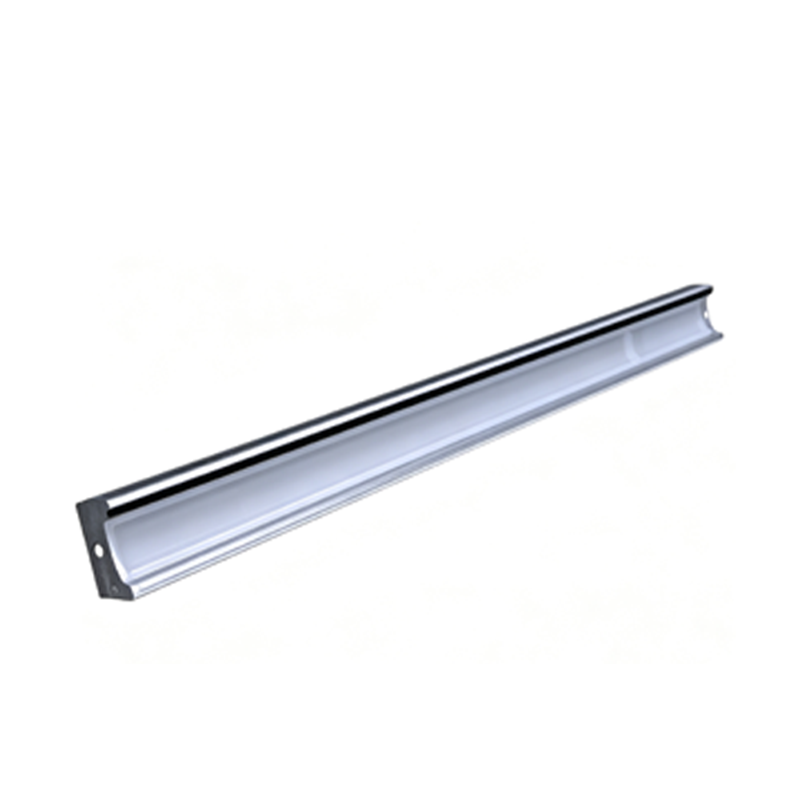
Toggle Plate Seat, Toggle Seat, Toggle Pad
- Categories : Jaw Crusher
- Customization Available : Yes
Service Process
The company's sales network covers all major cities across China, while our R&D and manufacturing products have reached numerous countries and regions in Southeast Asia, the Middle East, Africa, Europe, and beyond, earning widespread acclaim from customers worldwide.
FAQs
We have 30+ years of industry experience, a professional team of engineers, strong production strength and mature equipment.
The company has a complete accessory system to provide you with reliable and fast accessory services, complete models, high-quality and durable accessories.
Engineers personally go to the site for technical training in installation, operation and maintenance to help you solve installation and operation problems.
We provide lifelong service for the equipment we sell, including post-maintenance services.
We have professional technical experts and service teams to tailor solutions for each customer.
The mainframe is designed for continuous heavy-duty operation. Wear parts such as jaw plates, liners and blow bars are made of high-manganese steel or alloy materials, and their service life depends on the material hardness and working hours.
Every machine goes through material inspection, machining inspection, assembly and a full no-load test run before shipment. Inspection records and test videos are provided to customers.
Warmly welcome. You can visit our manufacturing base in person, and remote video inspection is also available for customers from overseas.
Yes. Package orders of a full line or multiple machines usually receive a more favorable price and priority in the production schedule.
Large mainframes are shipped by sea in containers or bulk vessels; smaller machines and spare parts go by container, air freight or international express, with full packaging for moisture and rust protection.