

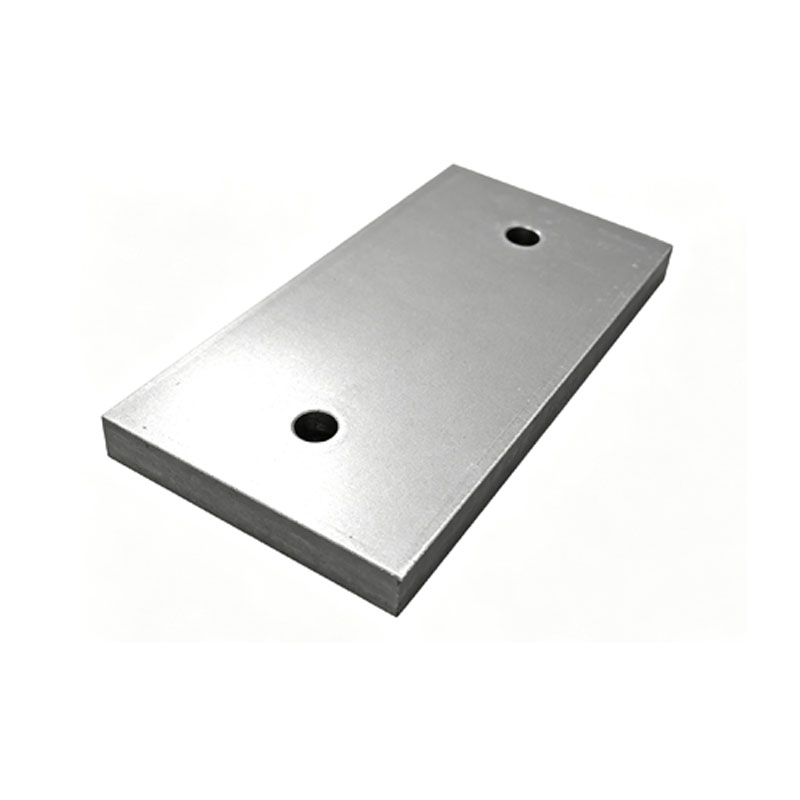
Liner / Impact Plate / Apron
Our Services
1.Before sales, we will fully understand the customer's working conditions and recommend the most appropriate material selection to the customer.
2.Provide customers with drawings based on their machine models, spare parts dimensions, etc.
3.After sales, we will continue to pay attention to the usage of the product and provide timely help.
4.Ensure that the quality of the purchased components is impeccable, and the technical parameters absolutely meet national standards.
5.Provide free quotation, worldwide sales, short delivery cycle, low price.
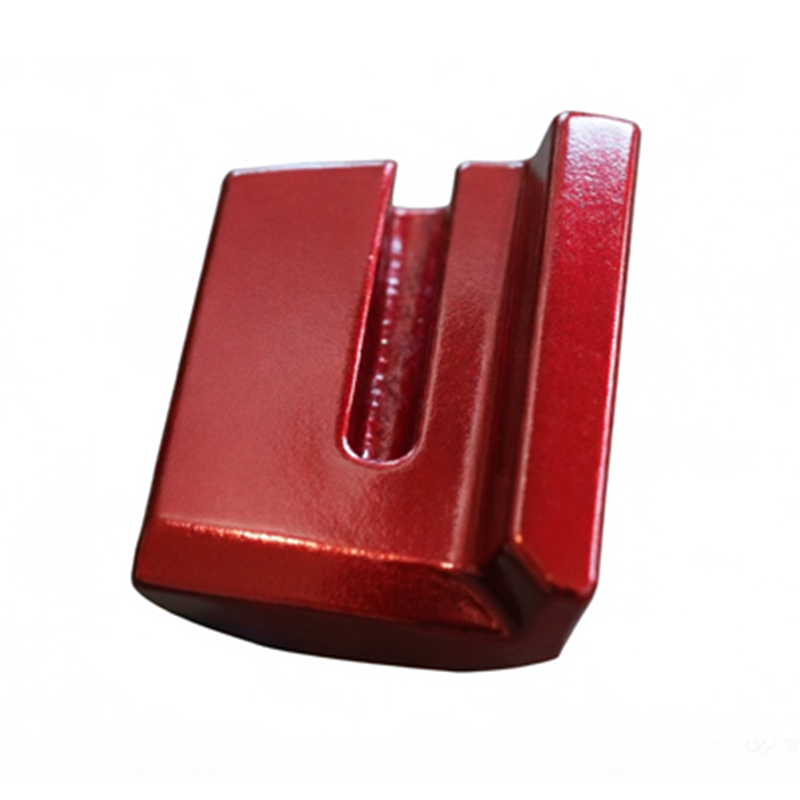
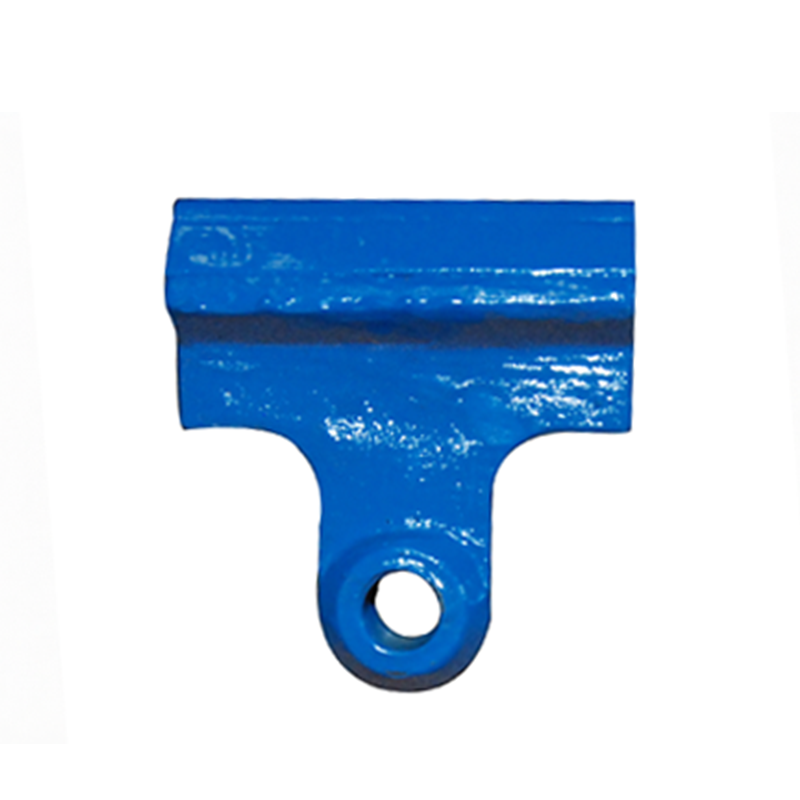
In the spare parts system of impact crushers, the liner (also known as the impact plate or apron) is the most critical wear-resistant component within the crushing chamber. It directly determines the crushing efficiency, product shape, and the service life of the frame. These liners are generally categorized into impact plates and frame/side liners.
1. Core Functions
Secondary Crushing and Shaping
After the rotor blow bars throw the material at high speed, the impact plate absorbs the impact and bounces the material back into the crushing zone to collide with subsequent materials or the blow bars again. This "stone-on-iron" or "stone-on-stone" process is the key to achieving a cubic product shape (reducing flakiness and elongation) in impact crushers.
Protecting the Main Frame
As a consumable part, the liner wears out before the frame. It withstands the direct impact and friction of the material, preventing the expensive inner walls of the frame from being worn through or developing fatigue cracks.
Adjusting Discharge Size
By adjusting the gap between the impact plate and the rotor (via hydraulic or mechanical adjustment devices), the number of crushing impacts and the retention time of the material in the chamber can be controlled, thereby precisely regulating the finished product size.
Guiding Material Flow
The curvature and angle design of the liner determine the material's trajectory within the chamber, preventing material accumulation in dead corners or upward splashing, thus ensuring stable throughput.
2. Structural Design and Installation
Shape Design:
Arc/Serrated Surfaces: Modern impact crushers mostly adopt involute arc or serrated groove designs. The arc surface optimizes the rebound angle of the material and reduces ineffective friction; the serrated surface increases the "biting force," improves crushing efficiency, and utilizes the material bed to protect the liner body.
Wavy/Stepped Surfaces: Some liners feature a wavy or stepped surface to reduce the contact area with the material, increase unit pressure, and enhance the crushing effect.
Fixing Methods:
Bolted Fastening: The most common method, though bolt heads are prone to wear. High-quality liners feature countersunk designs, protective caps, or back-sliding groove structures that completely isolate the bolts from the material, preventing bolt fracture and subsequent liner detachment.
Wedge Fastening: Utilizing the self-locking principle of wedge blocks, this method requires no bolts, allows for extremely fast replacement, and becomes tighter under impact, making it ideal for large-scale impact crushers.
Shock-Absorbing Design:
Some liners are equipped with a rubber shock-absorbing layer or concrete filling slots on the back. This not only buffers massive impacts and protects the frame but also significantly reduces equipment operating noise.
3. Common Faults and Maintenance
Uneven/Eccentric Wear
Causes: Off-center feeding, improper liner installation, or rotor imbalance.
Countermeasures: Ensure choke feeding; use feeler gauges during installation to ensure a seamless fit between the liner and the frame; regularly calibrate the rotor's dynamic balance.
Bolt Fracture / Liner Detachment
Causes: Loose bolts, material jamming in the gaps, or fatigue fracture.
Countermeasures: Bolts must be retightened after 24 hours of operation with new liners; inspect bolt holes for oval wear and ream/sleeve them if necessary; always use high-strength bolts (e.g., Grade 10.9 or 12.9).
Liner Cracking / Chipping
Causes: Insufficient material toughness, tramp iron (entry of uncrushable objects), or voids behind the liner during installation.
Countermeasures: Install a magnetic separator at the feed inlet; always fill the back of the liner with epoxy resin or concrete during installation to completely eliminate any "hollow" spaces.
Replacement Standards:
Liners must be replaced immediately when worn to 1/3 of their original thickness, when penetrating cracks appear, or when the countersunk heads of the fixing bolts are worn flat.
Set Replacement:
It is recommended to replace the liners in the same row or chamber simultaneously. This avoids uneven loading on the rotor caused by thickness differences, which can trigger severe vibrations.
Relevant parts
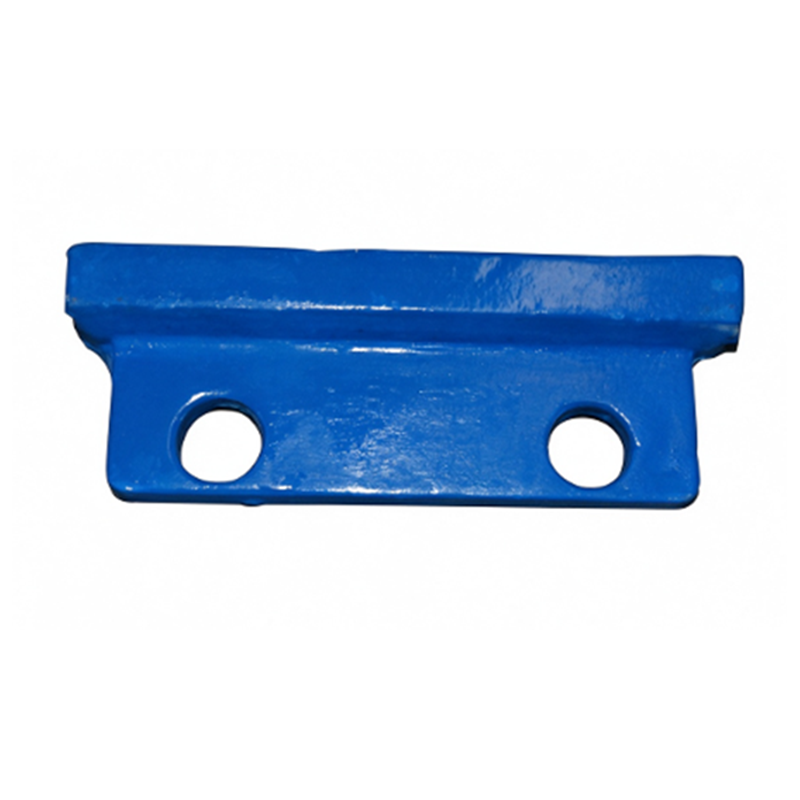
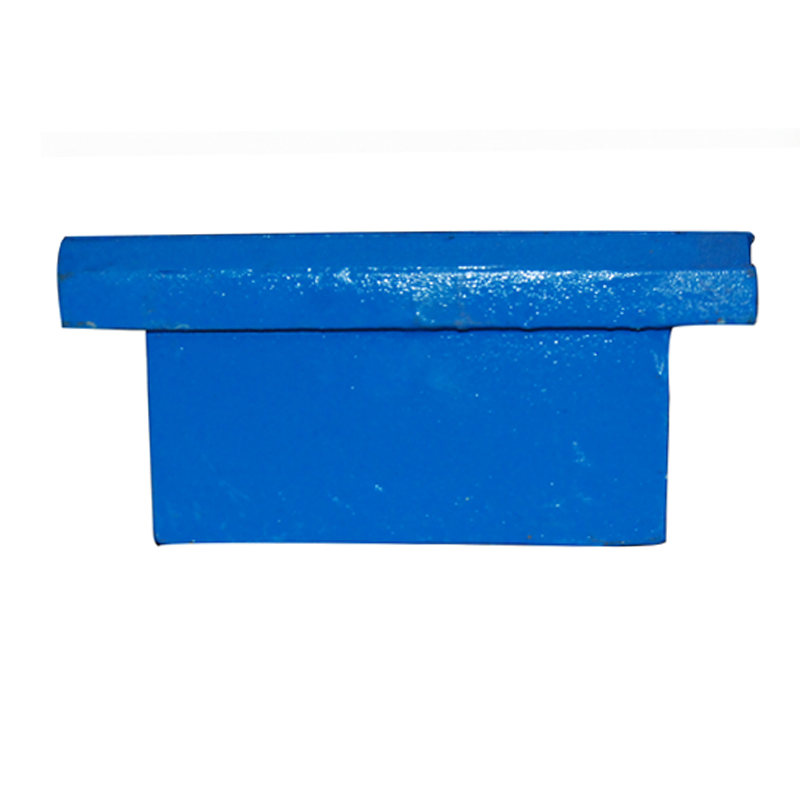
Auxiliary Throw Tip, Secondary Rotor Tip, Auxiliary Tip
- Categories : Sand Making Machine
- Customization Available : Yes
Service Process
The company's sales network covers all major cities across China, while our R&D and manufacturing products have reached numerous countries and regions in Southeast Asia, the Middle East, Africa, Europe, and beyond, earning widespread acclaim from customers worldwide.
FAQs
We have 30+ years of industry experience, a professional team of engineers, strong production strength and mature equipment.
The company has a complete accessory system to provide you with reliable and fast accessory services, complete models, high-quality and durable accessories.
Engineers personally go to the site for technical training in installation, operation and maintenance to help you solve installation and operation problems.
We provide lifelong service for the equipment we sell, including post-maintenance services.
We have professional technical experts and service teams to tailor solutions for each customer.
The mainframe is designed for continuous heavy-duty operation. Wear parts such as jaw plates, liners and blow bars are made of high-manganese steel or alloy materials, and their service life depends on the material hardness and working hours.
Every machine goes through material inspection, machining inspection, assembly and a full no-load test run before shipment. Inspection records and test videos are provided to customers.
Warmly welcome. You can visit our manufacturing base in person, and remote video inspection is also available for customers from overseas.
Yes. Package orders of a full line or multiple machines usually receive a more favorable price and priority in the production schedule.
Large mainframes are shipped by sea in containers or bulk vessels; smaller machines and spare parts go by container, air freight or international express, with full packaging for moisture and rust protection.