

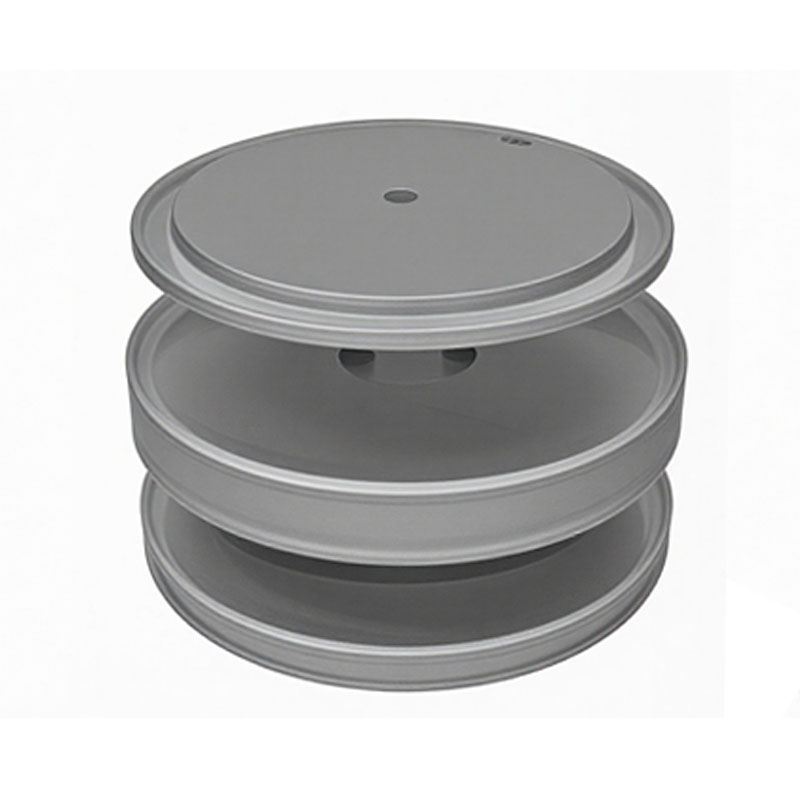
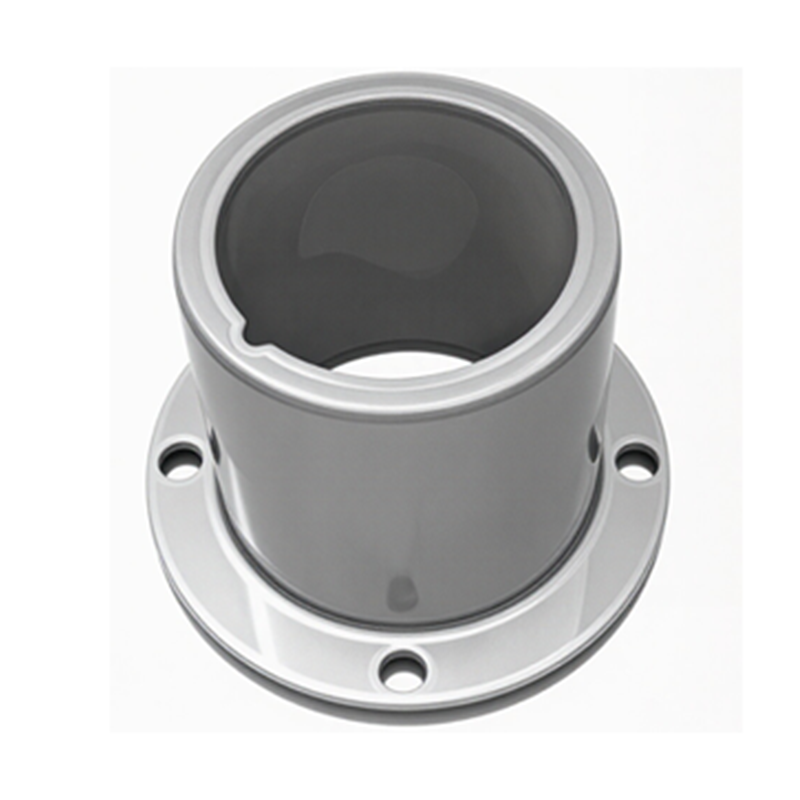
Lower Thrust Bearing / Intermediate Thrust Bearing / Upper Thrust Bearing / Friction Plate
Our Services
1.Before sales, we will fully understand the customer's working conditions and recommend the most appropriate material selection to the customer.
2.Provide customers with drawings based on their machine models, spare parts dimensions, etc.
3.After sales, we will continue to pay attention to the usage of the product and provide timely help.
4.Ensure that the quality of the purchased components is impeccable, and the technical parameters absolutely meet national standards.
5.Provide free quotation, worldwide sales, short delivery cycle, low price.
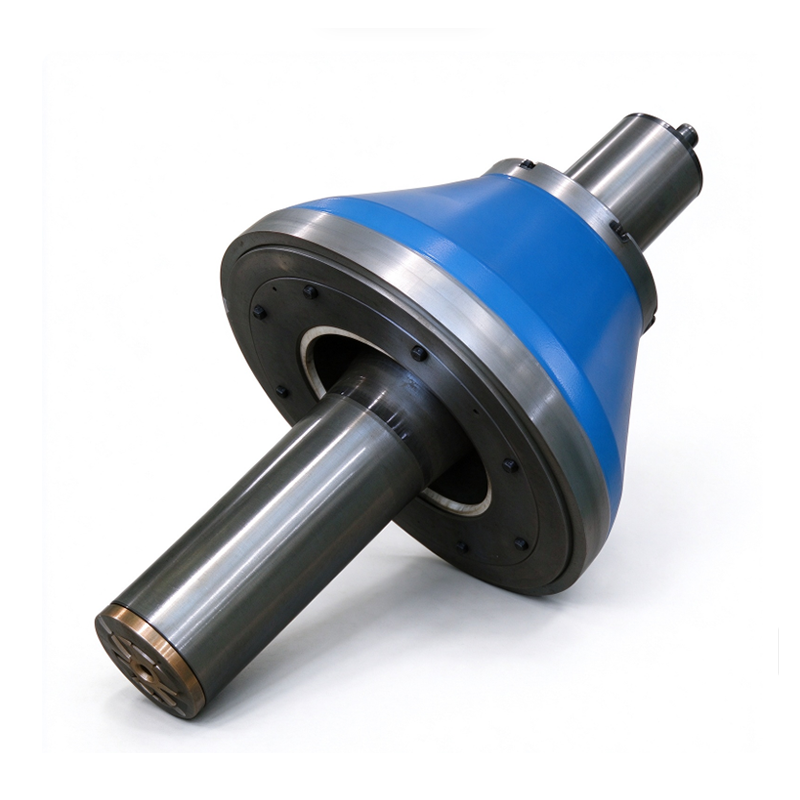
In the spare parts system of Single Cylinder Hydraulic Cone Crushers, the upper, intermediate, and lower friction plates (collectively referred to as the thrust bearing assembly or friction plate assembly) are critical load-bearing and buffering components installed within the hydraulic cylinder assembly.
They are positioned between the hydraulic cylinder piston and the main shaft of the moving cone, forming the core thrust support system of the equipment. Below is a detailed breakdown across three dimensions: core functions, structural positioning, and materials and lubrication.
1. Core Functions
Bearing and Transmitting Crushing Force (Primary Role)
When crushing hard ores, the moving cone generates immense downward pressure. The upper, intermediate, and lower friction plates serve to bear and transmit this massive axial crushing force, smoothly transferring it to the hydraulic cylinder piston at the bottom, thereby supporting the entire moving cone assembly.
Buffering and Shock Absorption
When the equipment encounters tramp iron (uncrushable foreign objects) or experiences momentary overloading, the hydraulic system allows the moving cone to drop to widen the discharge opening. During this process, the friction plate assembly plays a crucial buffering role by absorbing and dispersing the instantaneous impact load, preventing fatal damage to the hydraulic cylinder and main shaft caused by rigid collisions.
Allowing Relative Rotational Movement
During operation, the moving cone assembly of a single-cylinder cone crusher performs high-frequency gyratory motion around the center of the main shaft, while the hydraulic cylinder piston at the bottom remains stationary. The friction plate assembly provides an extremely smooth sliding interface between the two, allowing the moving cone to swing smoothly while withstanding immense vertical pressure.
2. Structural Positioning and Distribution
These three friction plates feature a "sandwich-style" stacked structure, installed between the piston and the moving cone of the hydraulic cylinder assembly:
Lower Friction Plate (Lower Thrust Bearing / Friction Plate): Located at the very bottom, it is typically fixed directly to the top of the hydraulic cylinder piston or above the cylinder base. Its primary role is to provide a solid foundational support.
Intermediate Friction Plate (Intermediate Thrust Bearing / Friction Plate): Sandwiched between the upper and lower friction plates, it serves as the primary sliding friction surface. It is usually designed with a bowl shape or features specific oil wedge grooves to withstand the massive radial tensile stress generated during gyratory motion.
Upper Friction Plate (Upper Thrust Bearing / Friction Plate): Located at the top, it is usually connected to the bottom of the moving cone's main shaft. It gyrates along with the moving cone, transmitting the crushing force of the moving cone downward to the intermediate friction plate.
3. Material and Lubrication Design
Due to the extremely harsh operating conditions of "high pressure + sliding friction," the material and lubrication requirements for friction plates are exceptionally high:
Material Selection:
The upper and lower friction plates are typically manufactured from high-strength bronze alloys or special wear-resistant steel to ensure good self-lubricating properties and anti-seizure resistance.
Because it endures the most complex stresses, the intermediate friction plate may be made of special steel or alloy materials with specialized surface hardening treatments to resist high contact stress and fatigue wear.
Lubrication System (Oil Film Protection):
Dry friction between the friction plates is strictly prohibited. Lubricating oil is pumped in through the oil passages in the center of the hydraulic cylinder piston or the lower friction plate, entering the oil cavity in the center of the intermediate friction plate. Subsequently, the oil is forced into the cooling/lubrication grooves on the surface of the friction plates, forming a high-pressure oil film between the three plates. This not only provides excellent lubrication but also carries away the massive amount of heat generated by friction.
Relevant parts
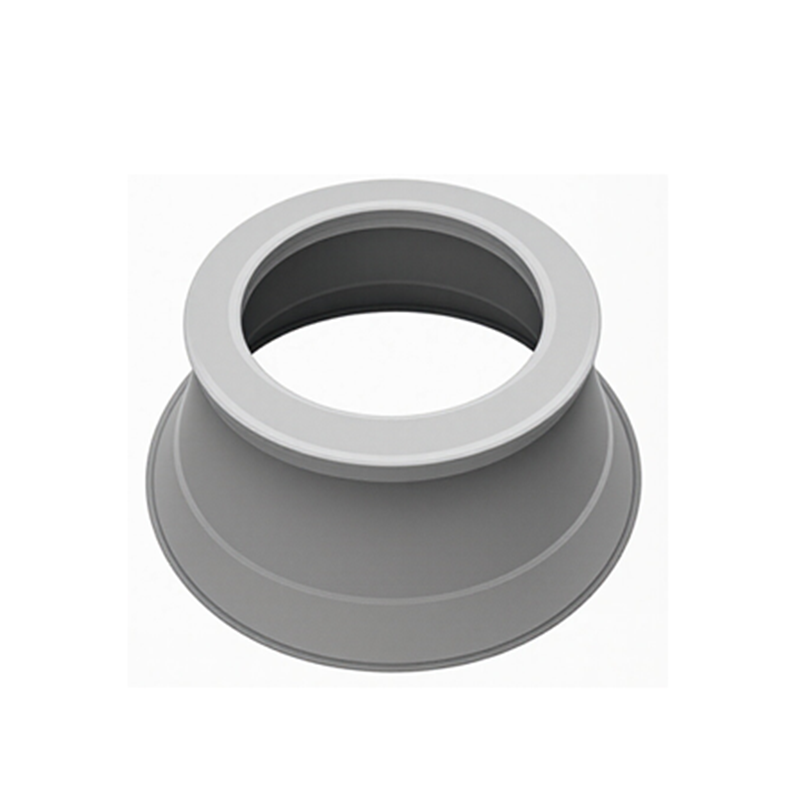
Concave, Bowl Liner, Fixed Cone Liner
- Categories : Cone Crusher
- Customization Available : Yes
Service Process
The company's sales network covers all major cities across China, while our R&D and manufacturing products have reached numerous countries and regions in Southeast Asia, the Middle East, Africa, Europe, and beyond, earning widespread acclaim from customers worldwide.
FAQs
We have 30+ years of industry experience, a professional team of engineers, strong production strength and mature equipment.
The company has a complete accessory system to provide you with reliable and fast accessory services, complete models, high-quality and durable accessories.
Engineers personally go to the site for technical training in installation, operation and maintenance to help you solve installation and operation problems.
We provide lifelong service for the equipment we sell, including post-maintenance services.
We have professional technical experts and service teams to tailor solutions for each customer.
The mainframe is designed for continuous heavy-duty operation. Wear parts such as jaw plates, liners and blow bars are made of high-manganese steel or alloy materials, and their service life depends on the material hardness and working hours.
Every machine goes through material inspection, machining inspection, assembly and a full no-load test run before shipment. Inspection records and test videos are provided to customers.
Warmly welcome. You can visit our manufacturing base in person, and remote video inspection is also available for customers from overseas.
Yes. Package orders of a full line or multiple machines usually receive a more favorable price and priority in the production schedule.
Large mainframes are shipped by sea in containers or bulk vessels; smaller machines and spare parts go by container, air freight or international express, with full packaging for moisture and rust protection.