

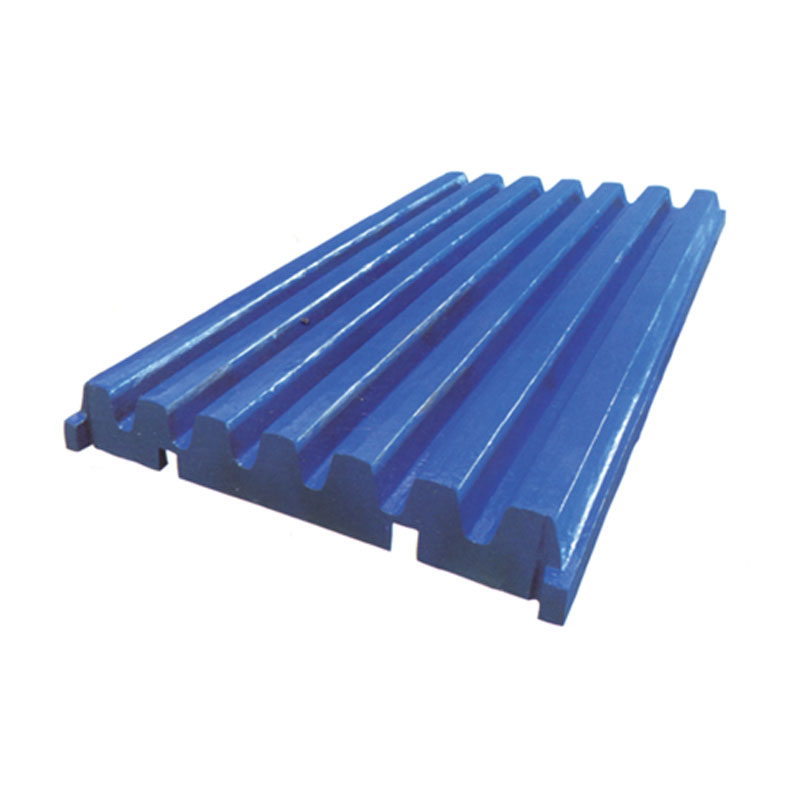
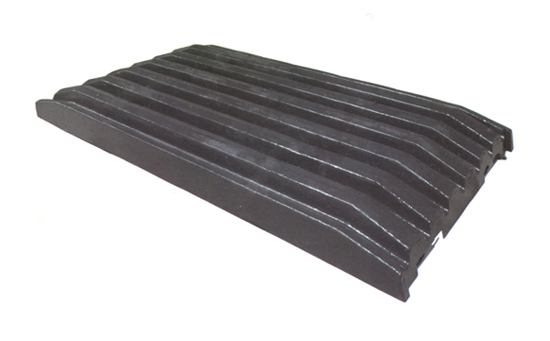
Jaw Plate / Jaw Die
Our Services
1.Before sales, we will fully understand the customer's working conditions and recommend the most appropriate material selection to the customer.
2.Provide customers with drawings based on their machine models, spare parts dimensions, etc.
3.After sales, we will continue to pay attention to the usage of the product and provide timely help.
4.Ensure that the quality of the purchased components is impeccable, and the technical parameters absolutely meet national standards.
5.Provide free quotation, worldwide sales, short delivery cycle, low price.
The jaw plate (commonly referred to as the jaw plate, tooth plate, or liner) is the most critical wear-resistant working component and primary wearing part of a jaw crusher. It consists of a fixed jaw plate and a movable jaw plate, which are directly mounted onto the fixed and moving jaws respectively, jointly forming the crushing chamber.
I. Primary Materials of Jaw Plates
Due to the harsh operating environment, jaw plate materials must possess high wear resistance and good impact toughness. Current mainstream materials include:
High Manganese Steel (e.g., ZGMn13): This is the most widely used classic material. Its most prominent feature is "work hardening" — under severe impact and compression, its surface rapidly hardens to form a wear-resistant layer, while the core maintains excellent toughness. This allows it to withstand significant impact loads even when worn extremely thin.
Modified High Manganese Steel (e.g., ZGMn13Cr2, Ultra-high Manganese Steel Mn18): By adding elements like Chromium (Cr) to the base high manganese steel, the initial hardness and wear resistance are further enhanced, delivering superior performance under complex operating conditions.
Composite Materials: Examples include high chromium cast iron combined with high manganese steel, or bimetallic composite casting. These materials combine the high wear resistance of high chromium cast iron with the high toughness of high manganese steel. The wear-resistant layer achieves extreme hardness, while the tough layer prevents fracture, extending the service life several times over compared to ordinary high manganese steel.
II. Tooth Profile Design and Types
The surface of the jaw plate is typically corrugated, with the tooth peak angle generally ranging from 90° to 120°. When installing the jaw plates on the moving and fixed jaws, it is standard practice to align the "tooth peaks against the tooth valleys." This not only exerts a crushing force on the material but also applies a bending effect, making the material easier to break. Common tooth profiles include:
Wavy Jaw Plates (Flat Tooth Type): These provide a strong splitting and cutting action, effectively gripping large feed materials to prevent slipping. They deliver high crushing force and are typically used in primary coarse crushing stages.
Triangular Jaw Plates (Pointed Tooth Type): Offering a combination of splitting and compressive actions, these are highly versatile and generally used in secondary fine crushing stages (fine jaw crushers).
Composite Tooth Plates: Featuring sharp teeth and a large tooth pitch, these are specifically designed for high-hardness and highly abrasive hard rocks (such as granite and basalt). They help reduce equipment load and improve discharge performance.
III. Causes of Jaw Plate Wear
During operation, jaw plates endure immense compressive and frictional forces. Wear is primarily caused by the following factors:
Cutting Wear: Hard materials undergo short-distance sliding friction against the jaw plate, acting like a blade to cut the surface and generate debris.
Fatigue Spalling: Repeated compression and cutting by the materials cause micro-cracks to form on the surface or at the root of the protrusions. As these cracks expand and connect, the surface material eventually flakes off.
Uneven Stress Distribution: The upper and lower sections of the jaw plate wear at different rates; typically, the lower section near the discharge opening wears out faster than the upper section.
IV. How to Extend the Service Life of Jaw Plates
To reduce production costs, the lifespan of jaw plates can be extended through the following measures:
Proper Rotation: Jaw plates for small and medium-sized crushers are usually designed symmetrically top-to-bottom. When the lower section is severely worn, the plate can be flipped upside down for continued use. For large crushers, jaw plates are designed in symmetrical sets to allow for interchangeable rotation.
Standardized Assembly: During installation, the jaw plate must be securely pressed against the moving jaw or the frame. Soft metal shims (such as lead or zinc) should be placed between them and fastened tightly with bolts to prevent loosening, which could lead to breakage or accelerated wear.
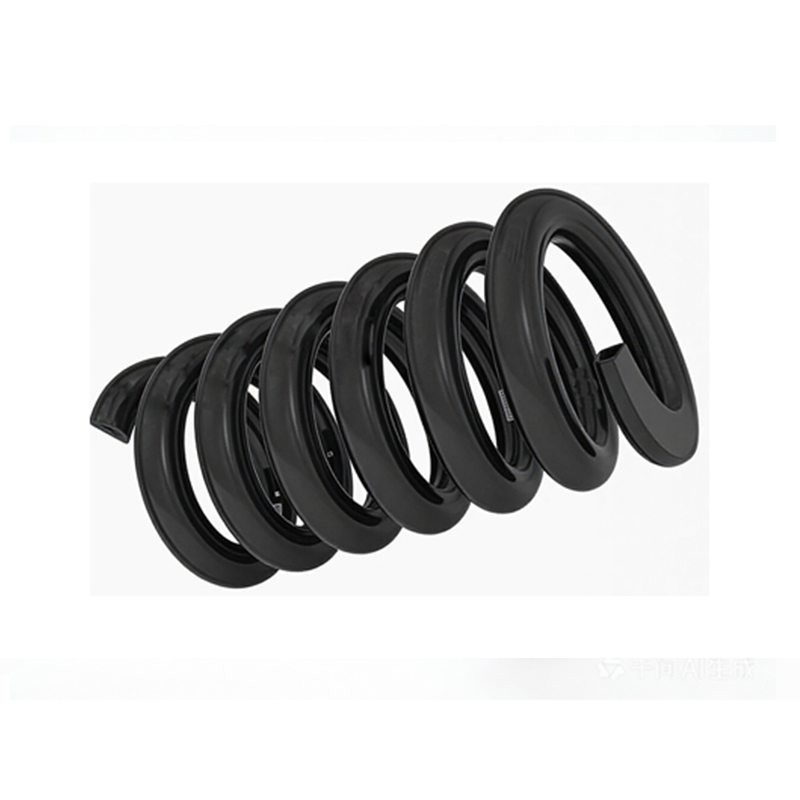
Optimized Operation: Maintain a consistent and uniform feed, and strictly prevent tramp metal from entering the crushing chamber. Regularly inspect bolts for looseness, and consider using spring anti-loosening and vibration-damping devices when necessary.
Relevant parts
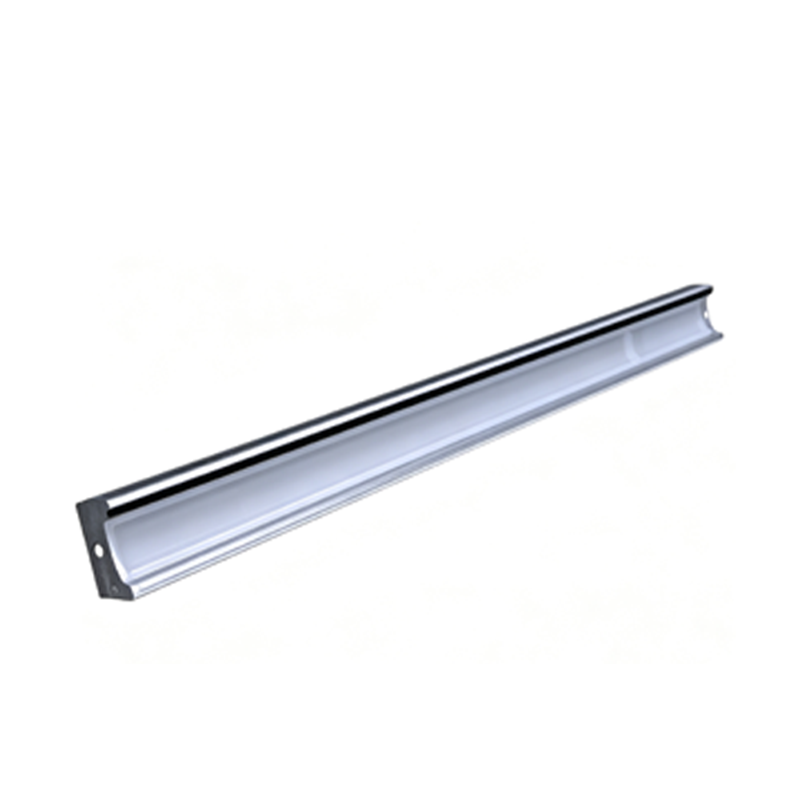
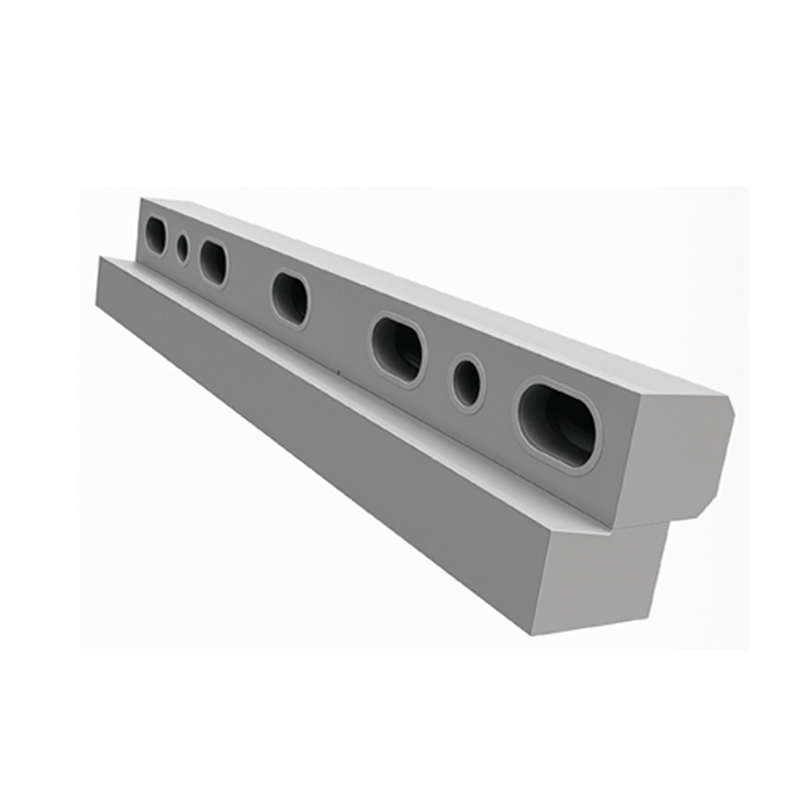
Toggle Plate Seat, Toggle Seat, Toggle Pad
- Categories : Jaw Crusher
- Customization Available : Yes
Service Process
The company's sales network covers all major cities across China, while our R&D and manufacturing products have reached numerous countries and regions in Southeast Asia, the Middle East, Africa, Europe, and beyond, earning widespread acclaim from customers worldwide.
FAQs
We have 30+ years of industry experience, a professional team of engineers, strong production strength and mature equipment.
The company has a complete accessory system to provide you with reliable and fast accessory services, complete models, high-quality and durable accessories.
Engineers personally go to the site for technical training in installation, operation and maintenance to help you solve installation and operation problems.
We provide lifelong service for the equipment we sell, including post-maintenance services.
We have professional technical experts and service teams to tailor solutions for each customer.
The mainframe is designed for continuous heavy-duty operation. Wear parts such as jaw plates, liners and blow bars are made of high-manganese steel or alloy materials, and their service life depends on the material hardness and working hours.
Every machine goes through material inspection, machining inspection, assembly and a full no-load test run before shipment. Inspection records and test videos are provided to customers.
Warmly welcome. You can visit our manufacturing base in person, and remote video inspection is also available for customers from overseas.
Yes. Package orders of a full line or multiple machines usually receive a more favorable price and priority in the production schedule.
Large mainframes are shipped by sea in containers or bulk vessels; smaller machines and spare parts go by container, air freight or international express, with full packaging for moisture and rust protection.