

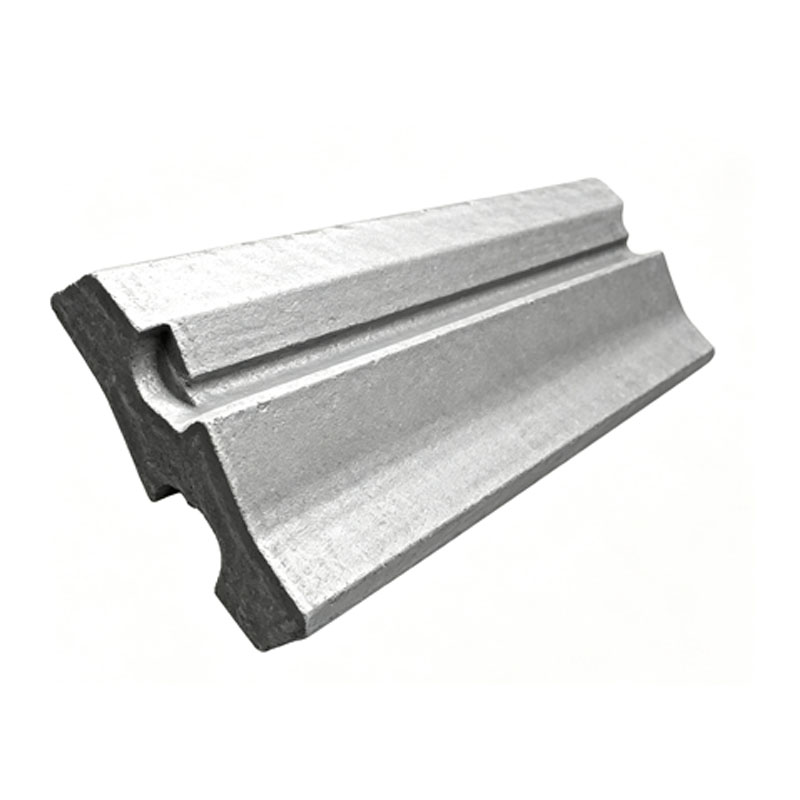
Blow Bar / Rotor Hammer
Our Services
1.Before sales, we will fully understand the customer's working conditions and recommend the most appropriate material selection to the customer.
2.Provide customers with drawings based on their machine models, spare parts dimensions, etc.
3.After sales, we will continue to pay attention to the usage of the product and provide timely help.
4.Ensure that the quality of the purchased components is impeccable, and the technical parameters absolutely meet national standards.
5.Provide free quotation, worldwide sales, short delivery cycle, low price.
In the spare parts system of impact crushers, the blow bar is the core wear part on the rotor, directly determining the equipment's crushing efficiency, discharge size, and production costs. It is the component that directly strikes the material during the high-speed rotation of the rotor.
1. Core Functions
Direct Impact Crushing
The blow bars are fixed to the rotor and rotate at high speeds, delivering fierce strikes to the materials entering the crushing chamber. After gaining massive kinetic energy, the materials are thrown against the impact plates, achieving "stone-on-iron" or "stone-on-stone" crushing.
Determining Discharge Size
The gap between the blow bars and the impact plates, along with the rotor's rotational speed, directly determines the degree of crushing and the final discharge size of the materials.
High Consumption and Cost Proportion
Blow bars are the fastest-wearing components in an impact crusher (wear only occurs on the side facing the material) and are the most consumed wear parts with the highest maintenance costs in daily production.
2. Material Selection
Since blow bars endure high-frequency, high-stress impacts, their material must possess a "hard surface and tough core" characteristic. In practical applications, they are mainly divided into three mainstream materials:
High Chrome Cast Iron (e.g., Cr26, Cr28):
High chrome cast iron is currently one of the most mainstream materials for blow bars. Its core advantage lies in its extremely high hardness (reaching HRC 60+ or above) and excellent wear resistance. However, its toughness is relatively poor, and its impact resistance is weak; if large iron blocks enter the crushing chamber, it is prone to brittle fracture. Therefore, it is highly suitable for medium and fine crushing, as well as for highly abrasive materials like limestone and river pebbles, provided there is no risk of large iron blocks.
High Manganese Steel (e.g., Mn13Cr2, Mn18Cr2):
The most significant feature of high manganese steel is its excellent toughness and strong impact resistance, making it highly resistant to shattering. It possesses outstanding "work-hardening" characteristics, meaning its surface rapidly hardens under intense impact. However, its initial hardness is relatively low. Thus, high manganese steel blow bars are mainly suitable for coarse crushing, large feed sizes, harsh operating conditions, or scenarios where a small amount of iron might be mixed into the material.
Alloy Steel and Composite Materials (e.g., CrMo alloy, tungsten carbide inserts):
These materials aim to achieve a balance of comprehensive performance. On one hand, adding alloying elements and optimizing heat treatment processes significantly improve toughness while enhancing hardness. On the other hand, some high-end manufacturers embed high-hardness tungsten carbide rods into a high chrome matrix. This composite material is perfectly suited for extreme wear conditions and crushing high-hardness materials such as granite and basalt.
Material Selection Advice: If crushing limestone, high chrome cast iron is the first choice for a longer lifespan. If crushing granite/basalt with large feed sizes, it is recommended to use high manganese steel or modified alloy steel to prevent shattering.
3. Structural Design and Installation
Fixing Methods:
Bolt Fastening: The most common method, though bolt heads are prone to wear. High-quality blow bars feature countersunk designs or protective caps to ensure the bolts do not come into contact with the material.
Wedge Fastening: Utilizing the self-locking principle of wedge blocks, this method requires no bolts, allows for extremely fast replacement, and becomes tighter under impact, making it ideal for large-scale impact crushers.
Clamping Plate Fastening: The blow bar is inserted into the rotor groove from the side, with clamping plates at both ends to prevent axial movement.
Symmetry and Balance
Blow bars must be installed symmetrically on the rotor, and the weight difference between symmetrical blow bars must meet the equipment's specified values (static balance deviation must not exceed 0.25 kg.m). Uneven unilateral wear or excessive weight differences can cause severe machine vibration and damage the bearings.
4. Common Faults and Maintenance: How to Extend Lifespan?
Uneven/Eccentric Wear
Causes: Off-center feeding, rotor imbalance, or improper adjustment of the impact plate gap.
Countermeasures: Ensure choke feeding; regularly calibrate the rotor's dynamic balance; and adjust the impact plate gap promptly.
Fracture / Chipping
Causes: Insufficient material toughness, tramp iron (entry of uncrushable objects), or insecure fastening during installation.
Countermeasures: Install a magnetic separator at the feed inlet; apply anti-loosening adhesive when tightening bolts, and tighten them evenly in a crisscross pattern according to the specified torque.
Replacement Standards:
Blow bars must be replaced immediately when worn to 1/3 of their original thickness (or when wear exceeds one-third), or when penetrating cracks appear.
Flipping for Reuse:
When the side facing the material reaches its wear limit, the blow bar can be flipped to use the other side to maximize material utilization.
Set Replacement:
It is recommended to replace all blow bars on the rotor simultaneously. This avoids uneven loading on the rotor caused by differences in weight and thickness, which can trigger severe vibrations.
Relevant parts
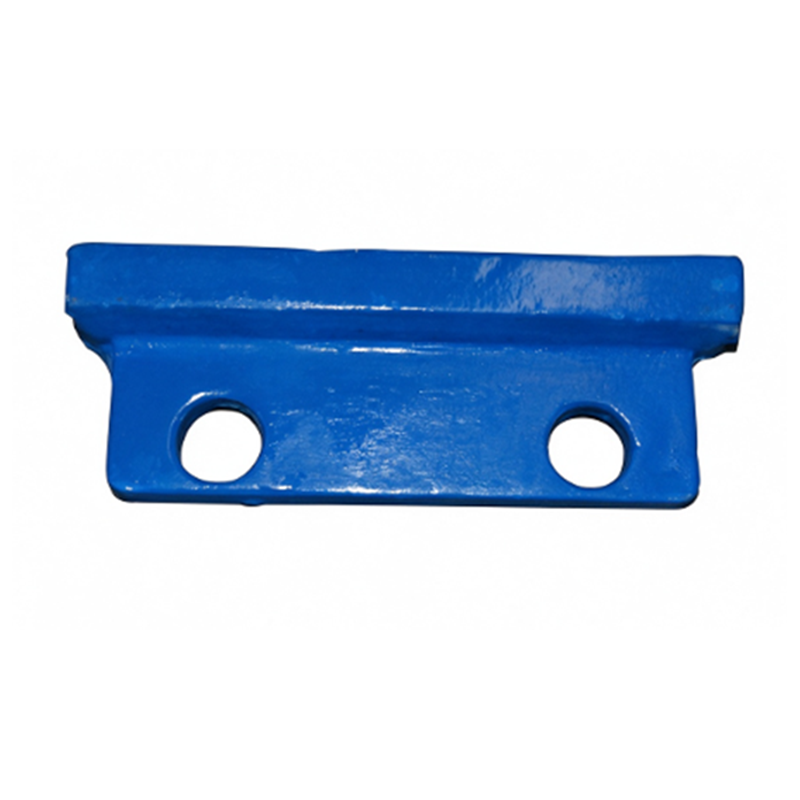
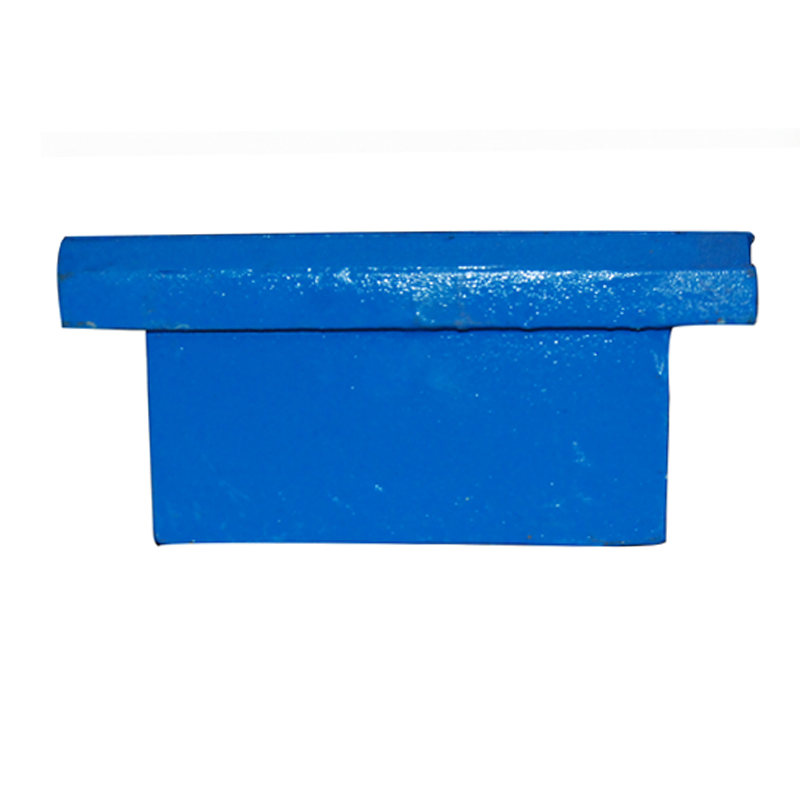
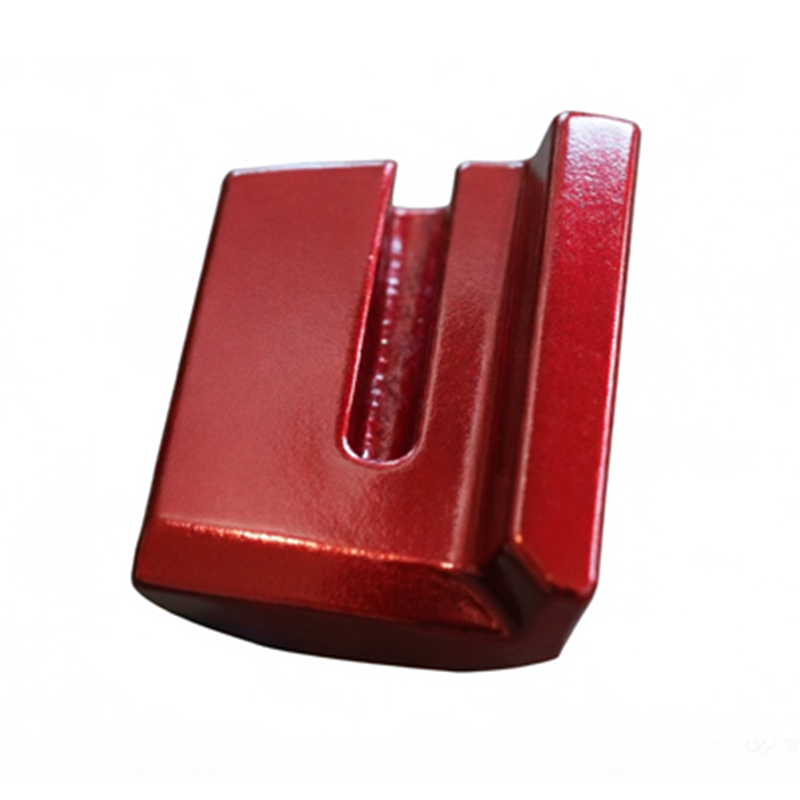
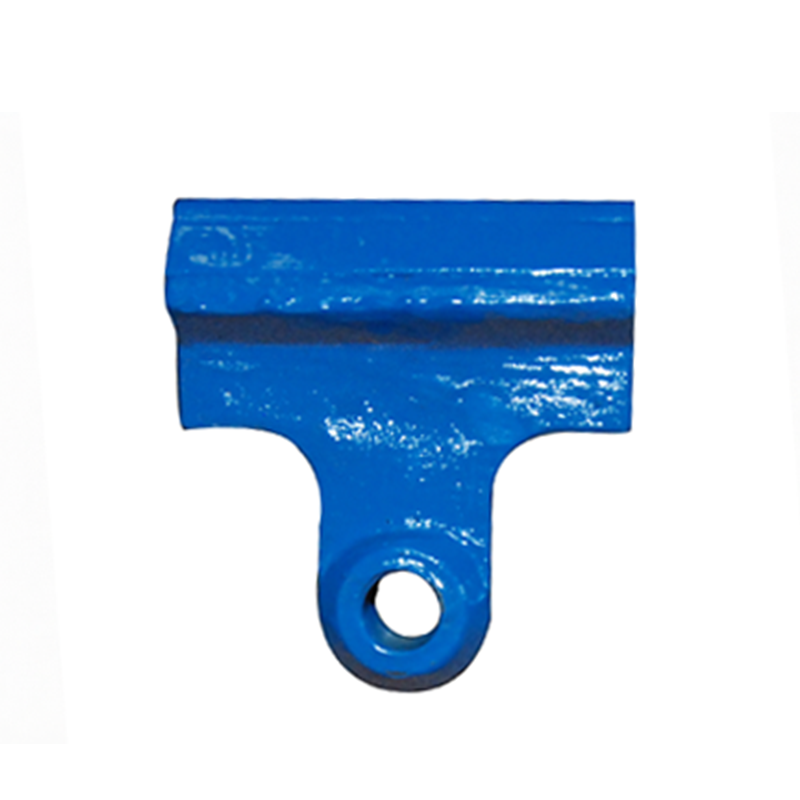
Auxiliary Throw Tip, Secondary Rotor Tip, Auxiliary Tip
- Categories : Sand Making Machine
- Customization Available : Yes
Service Process
The company's sales network covers all major cities across China, while our R&D and manufacturing products have reached numerous countries and regions in Southeast Asia, the Middle East, Africa, Europe, and beyond, earning widespread acclaim from customers worldwide.
FAQs
We have 30+ years of industry experience, a professional team of engineers, strong production strength and mature equipment.
The company has a complete accessory system to provide you with reliable and fast accessory services, complete models, high-quality and durable accessories.
Engineers personally go to the site for technical training in installation, operation and maintenance to help you solve installation and operation problems.
We provide lifelong service for the equipment we sell, including post-maintenance services.
We have professional technical experts and service teams to tailor solutions for each customer.
The mainframe is designed for continuous heavy-duty operation. Wear parts such as jaw plates, liners and blow bars are made of high-manganese steel or alloy materials, and their service life depends on the material hardness and working hours.
Every machine goes through material inspection, machining inspection, assembly and a full no-load test run before shipment. Inspection records and test videos are provided to customers.
Warmly welcome. You can visit our manufacturing base in person, and remote video inspection is also available for customers from overseas.
Yes. Package orders of a full line or multiple machines usually receive a more favorable price and priority in the production schedule.
Large mainframes are shipped by sea in containers or bulk vessels; smaller machines and spare parts go by container, air freight or international express, with full packaging for moisture and rust protection.