

When a large mining project such as Gamsberg Phase 2 moves from construction and commissioning into formal operation, the mindset around crushing equipment changes completely. During the build phase, the core goal is to get the circuit installed, calibrated, tested and ready to produce ore. Once the mine enters steady production, the focus shifts to consistency, availability, predictable cost control and minimising unplanned stops. For site managers, equipment supervisors and contracting teams, this transition is often underestimated. Many sites carry over commissioning habits into production, which leads to avoidable breakdowns, unstable feed circuits and missed production targets. The tracked mobile cone crusher, widely used in South African hard rock mining for mid and fine crushing, sits at the centre of this shift. It is not enough to know how to start the machine; operational teams need to rebuild daily workflows around condition checks, wear part forecasting, lubrication discipline and data-driven maintenance. This article breaks down the key differences between construction-phase management and operational-phase management, outlines practical inspection routines, and explains how to build a spare parts system that protects continuous production.

Key Differences Between Construction Phase and Operational Phase
During construction and commissioning, the tracked mobile cone crusher is treated as a new asset that requires validation. Technicians and service engineers focus on installation alignment, hydraulic circuit testing, control system calibration, safety interlock checks and trial crushing runs. The team is looking for major defects, wiring faults, leak points and setup errors before handing the unit over to the mine operator. Production volume is not the priority at this stage. Short test runs are normal, and planned stops are expected to adjust settings, replace trial liners and train operators. Spare parts are usually limited to basic commissioning kits, and maintenance schedules are still generic, based on factory manuals rather than real site wear data.
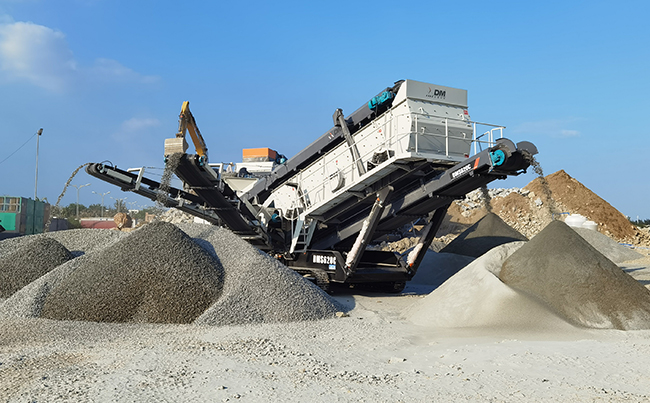
Once the mine enters operation, the rules change. The tracked mobile cone crusher becomes part of a continuous production chain linked to loading, hauling, primary crushing, screening, stockpiling and downstream processing. Every unplanned stop on the cone crusher can back up the whole circuit, create stockpile bottlenecks and reduce daily ore delivery. The management priority shifts from “can it run” to “can it run reliably for planned hours, at the correct closed side setting, with predictable wear and maintenance cost”. Operators and maintenance crews can no longer rely on reactive fixes after something breaks. They need to build routine inspection cycles, log operating parameters, track liner life and forecast component replacement before failure occurs. The spare parts inventory must shift from emergency stock to a balanced inventory of fast-moving wear parts, critical hydraulic seals and long-lead structural components.
Preventive Maintenance as the Core of Operational Equipment Management
Preventive maintenance is the foundation of stable tracked mobile cone crusher performance in mining operation. Unlike corrective maintenance, which only responds to breakdowns, preventive maintenance follows fixed intervals based on operating hours, tonnage processed or site-specific wear rates. The maintenance plan covers three main groups: lubrication systems, crushing chamber components and chassis and travel systems.
Lubrication is one of the most common failure points in mobile cone crushers working in dusty South African mine environments. Contaminated oil, blocked breathers, low oil level or incorrect oil viscosity can damage bushings, eccentric assemblies and bearings rapidly. The operational team should check oil levels, oil temperature and pressure at the start of each shift. Oil samples should be taken regularly for analysis, to detect metal particles that signal early wear inside the crusher. Oil filters and hydraulic filters must be replaced according to the site schedule, not only when a warning alarm appears. Many mobile cone crushers have integrated PLC monitoring systems that record temperature spikes and pressure fluctuations. In operational mode, these readings should be logged every shift, not just ignored until an alarm triggers a shutdown.
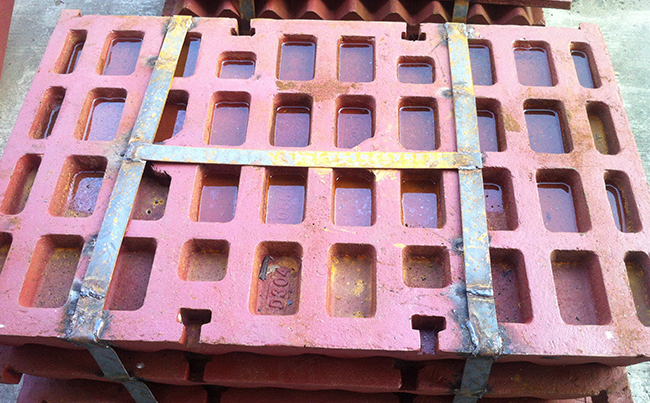
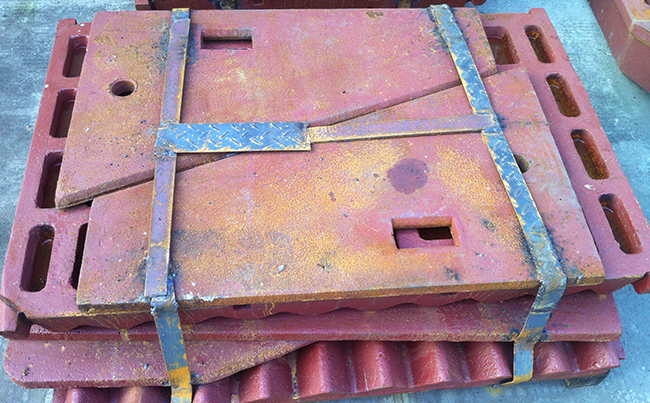
The crushing chamber includes mantle and bowl liner, feed cone, locking components and backing compound. These wear parts directly control product gradation, throughput and crushing efficiency. During commissioning, liner wear is not closely tracked, but in production, liner thickness must be measured at regular intervals. As liners wear, the closed side setting drifts, product size becomes inconsistent, and power draw increases even if feed tonnage stays the same. If operators wait until the liner is completely worn out, they risk sudden liner failure and metal damage to the crusher mainframe. Operational teams should record liner operating hours, total tonnage processed and feed rock hardness each time a set of liners is fitted. Over time, this creates a site-specific wear curve, so the maintenance team can order replacement liners in advance and schedule liner change during planned shutdown windows.
The tracked undercarriage is unique to the tracked mobile cone crusher and often overlooked by teams focused only on the crushing head. Track pads, rollers, idlers, sprockets and tension cylinders are exposed to rock dust, muddy ground and frequent repositioning across the pit floor. During construction, the unit rarely moves long distances. In production, the machine may shift to follow the working face, changing feed points and stockpile positions. Operators must inspect track tension, pad damage and roller lubrication every shift, to prevent track derailment or undercarriage failure that stops production.
Wear Parts Inventory and Supply Chain Planning
A major gap between construction and operation is spare parts strategy. At the build stage, the site usually holds only a small commissioning kit, and the equipment supplier’s service team is nearby to support urgent issues. Once the mine enters full operation, response times for service visits and part delivery can become slow, especially in remote mining zones. Poor inventory planning is a top cause of extended unplanned downtime for tracked mobile cone crusher units.
The site should split spare parts into three categories: high-turnover wear parts, critical seal and sensor components, and long-lead major assemblies. High-turnover items include mantle and bowl liner, backing material, bolts, filter elements and seal kits. These should be kept in local stock, with reorder triggers based on remaining liner thickness and historical wear rate. Critical components include hydraulic hoses, pressure and temperature sensors, lubrication pumps and solenoid valves. These parts do not change as often as liners, but their failure can stop the whole crusher immediately. Long-lead assemblies such as main shaft, eccentric bushing and head assembly have high cost and long delivery times. They do not need to be held on every site, but the mine management should confirm supplier lead time and pre-approve ordering rules, so procurement can start immediately if inspection finds early signs of damage.
It is also important to separate spare parts for the crushing host from spare parts for the tracked chassis. Track undercarriage parts have different wear logic and suppliers, and mixing them into one inventory list can create stock confusion. Every replacement event should be recorded: operating hours, tonnage, feed material type, reason for replacement and any abnormal findings. This simple log builds operational knowledge that manual specifications cannot provide. A liner life of 1000 hours in one quarry may drop to 450 hours in an abrasive hard rock mine, and only local operating data can reflect that reality.
Running Condition Inspection and Real-Time Circuit Awareness
In operation, the tracked mobile cone crusher does not work alone. It connects to upstream feeders, primary crushers, conveyors and downstream screening machines. A stable cone crusher can still fail to deliver consistent product if the feed circuit is unstable. Operational teams need to inspect not only the crusher itself but also the whole material flow. Common feed-side problems include oversized rock entering the cone, fluctuating feed volume, segregation of fine and coarse rock, and tramp metal such as digger teeth and broken drill bits. Tramp metal protection systems must be tested regularly, and metal detectors on the feed conveyor should be checked each shift. A single piece of tramp metal inside the cone chamber can destroy liners and locking components and create a multi-day shutdown.
Operational inspections also include sound and vibration monitoring. Experienced maintenance crews can identify abnormal noise from the gearbox, eccentric assembly or hydraulic system before sensor limits are breached. Unusual vibration often points to uneven liner wear, loose fastening bolts or material blockage inside the chamber. Operators should be trained to stop the machine safely and report abnormal conditions instead of pushing production through strange sounds. Many mines fall into the trap of prioritising hourly tonnage over condition checks, which turns small, low-cost repairs into catastrophic failures.
Common Pitfalls When Transitioning Into Operational Management
Many mining sites struggle with this transition because teams keep commissioning habits. The first pitfall is treating maintenance as a secondary task behind production. Production supervisors may delay scheduled lubrication checks or liner inspections to keep tonnage high, which gradually increases failure risk. The second pitfall is relying only on factory maintenance schedules without adjusting for local rock conditions. Manual intervals are general, and abrasive hard rock will accelerate wear far faster than the standard reference table. The third pitfall is poor communication between operators, maintenance technicians and procurement teams. Operators notice liner wear or oil contamination first, but if reports are not passed to maintenance and purchasing, replacement parts arrive too late.
Another frequent mistake is ignoring operator training after commissioning. New operators may understand basic start-stop procedures, but they may not know how choke feeding affects liner life, how closed side setting changes product grading, or how to read oil temperature trends. Continuous training for operational teams must cover safe isolation procedures, lockout-tagout rules, inspection checklists and correct reporting of abnormal readings. A well-trained operator is the first line of defence against unplanned downtime for a tracked mobile cone crusher.
Conclusion
When a mining project moves from construction into steady operation, the management of tracked mobile cone crusher shifts from commissioning validation to long-term reliability engineering. The core objective is no longer proving the machine works, but protecting continuous production, stabilising product quality and controlling total ownership cost. This change requires structured preventive maintenance, systematic wear part tracking, tiered spare parts planning, regular condition inspections and clear communication between production, maintenance and procurement teams. For South African hard rock mines such as Gamsberg Phase 2, the transition period is a critical window to build these systems before the mine hits full capacity. Sites that build operational maintenance routines early will reduce unplanned downtime, extend liner and component life, and create a more predictable crushing circuit. Those that keep commissioning workflows in production will face repeated breakdowns, higher repair expense and constant pressure on delivery schedules. The tracked mobile cone crusher is a flexible production asset, but its reliability in operation depends not on the machine itself, but on the daily discipline of the people who run and maintain it.
Related Tags
Mine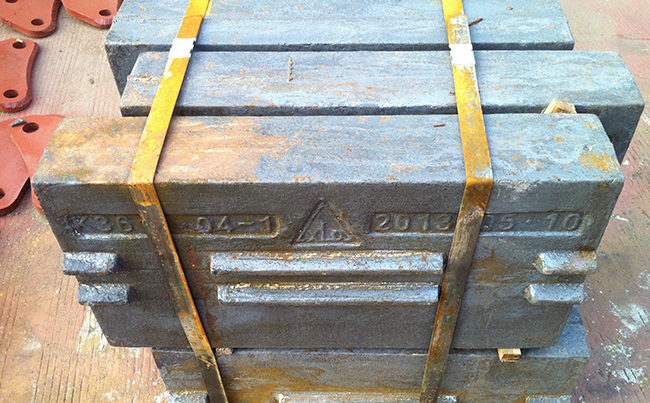
Latest Updates
Follow Us
Keeping crushing and screening equipment running worldwide.
Sign Up To Newsletter
Subscribe to get the latest parts news.
Post Comment