

Road contractors, demolition contractors and municipal engineering teams usually run several temporary crushing jobsites at the same time. These sites are scattered along highway routes, urban demolition zones and water conservancy construction locations. Many contractors buy multiple stone crusher and mobile crushing units to meet peak construction demands, but they lack systematic fleet management rules. Common troubles include uneven equipment allocation, delayed maintenance, mixed wear parts inventory, low machine utilization rate and high emergency repair cost. Experienced crushing equipment manufacturer have accumulated mature fleet management guidance for multi-site contractors, helping them arrange crushing equipment reasonably, reduce idle time and control the total operation cost of the whole fleet.

Core Pain Points of Multi-site Crushing Equipment Fleet Management
The core pain point of multi-site crushing fleet management is the blind allocation of equipment. Some contractors dispatch large-capacity crushing equipment to small-scale temporary projects, resulting in low load rate and waste of fuel and power. Meanwhile, key road base projects face insufficient crushing capacity and delayed material supply. Mobile crushing units are frequently transferred back and forth between sites without pre-planned transportation routes, which increases transportation expense and the risk of collision damage during hauling. Without unified equipment status records, the project manager cannot clearly know which crusher is under maintenance, which is ready for transfer and which needs wear parts replacement. This information gap often leads to wrong scheduling decisions.
Build Unified Equipment Files and Intelligent Monitoring System
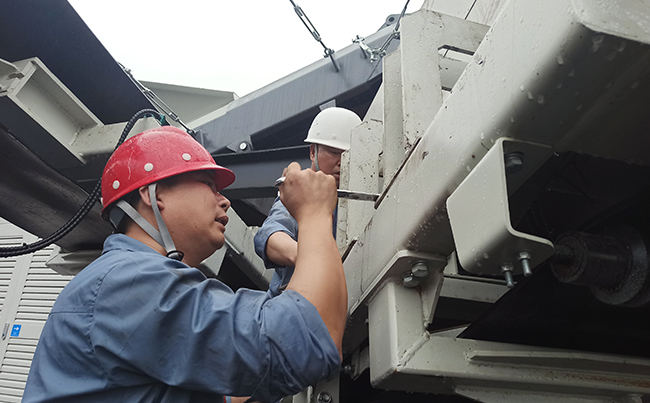
The first optimization step is to build unified equipment files for every stone crusher and screening unit. Each machine should record basic information including model, delivery date, cumulative working hours, historical fault records, wear parts replacement time and service history. Crushing equipment manufacturer provide digital fleet management templates and intelligent monitoring modules for optional installation. With sensors installed on the crusher, managers can view real-time data including working current, vibration value, fuel consumption and operating hours remotely. When the working hours reach the preset maintenance cycle, the system automatically sends reminders, so maintenance work changes from passive emergency repair to active preventive maintenance. This greatly reduces unexpected breakdowns in the middle of tight construction schedules.
Scientific Equipment Matching Based on Project Classification
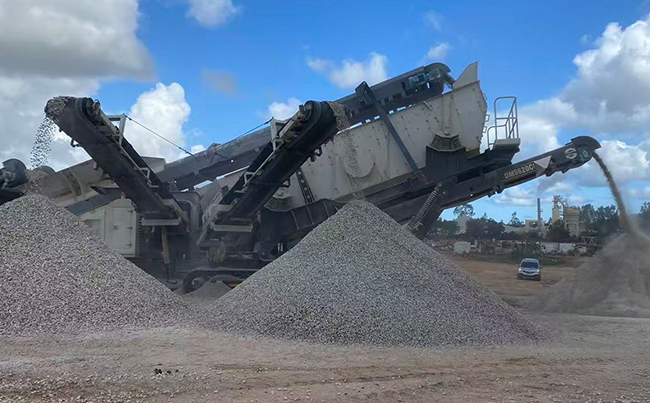
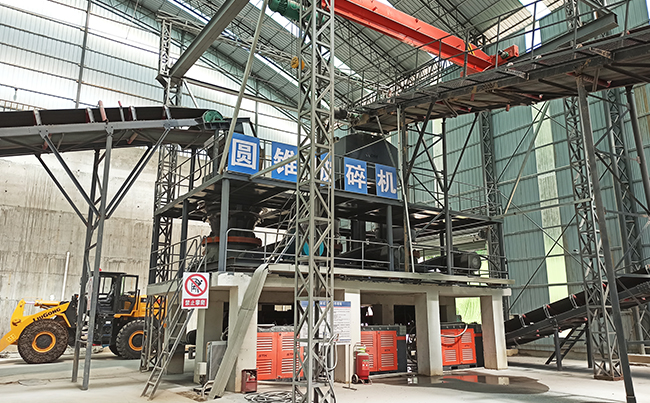
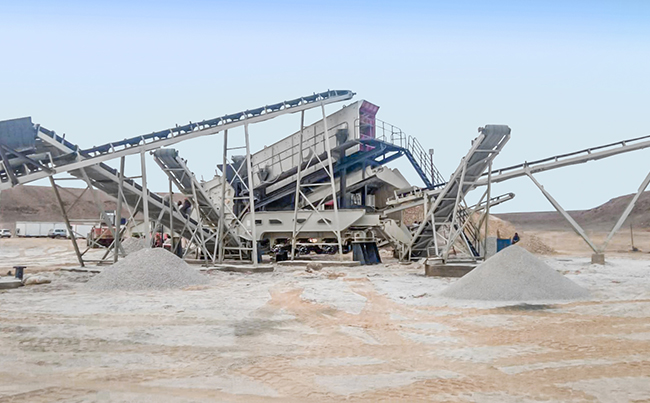
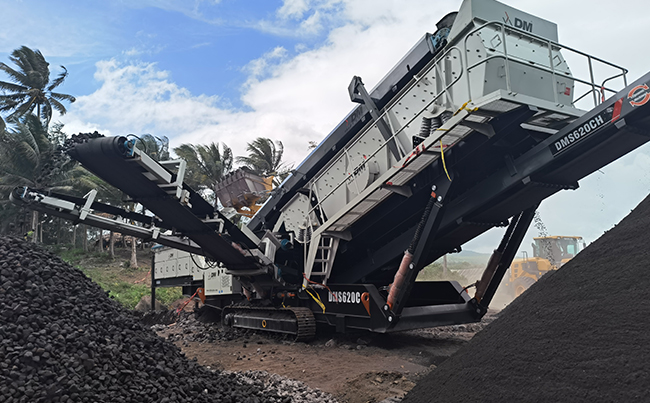
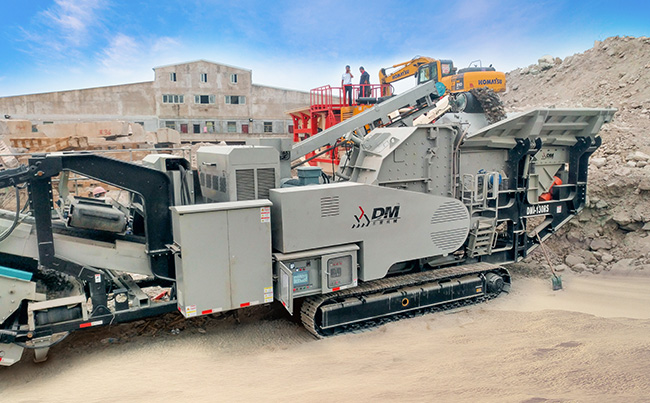
Reasonable site classification and equipment matching can significantly lift overall utilization. Contractors can divide temporary sites into three categories according to project cycle, raw material type and aggregate demand. Short-term small demolition sites with frequent relocation are suitable for compact tracked mobile crushers. Medium-term road base projects with stable raw material supply can use medium-sized mobile crushing and screening combinations. Large fixed material yards for long-term water conservancy and railway projects are more suitable for stationary crushing lines. The crushing equipment manufacturer can help calculate the required hourly output, and recommend whether to purchase new machines, reserve spare units or adopt flexible rental schemes to balance peak and off-season demand. Proper matching avoids over-investment and long-term idle loss of high-value crushing equipment.
Centralized Spare Parts Inventory Management to Cut Consumable Cost
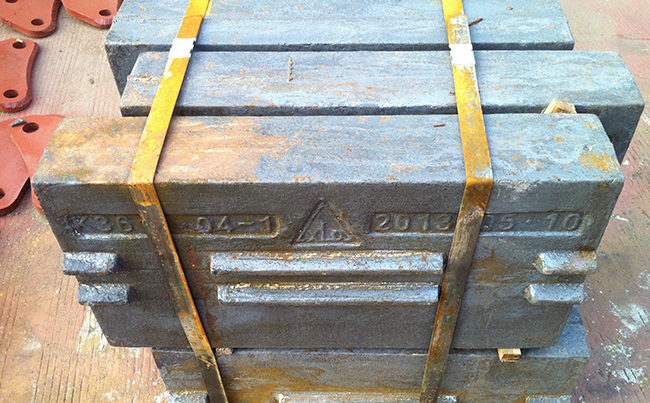
Centralized spare parts warehouse management is another key measure to cut fleet operation cost. Many contractors store wear parts separately on each jobsite, which leads to repeated stocking of liners, blow bars, jaw plates and screen meshes. Capital is occupied by a large amount of inventory, and some parts are left unused for a long time due to model mismatch. The crushing equipment manufacturer will sort out the common spare parts list for all models in your fleet, set a reasonable safety stock level, and establish a unified distribution center. When one site needs replacement parts, the warehouse can arrange delivery directly. The manufacturer can also provide original wear parts with stable quality and batch discount, lowering the unit cost of consumables. Standardized parts management also prevents operators from using unqualified substitute parts that accelerate crusher damage.
Unified Operator Training and Standardized Operation Specifications
Unified operator training and safety management cannot be ignored. Different sites often have different operators, and operating habits vary greatly. Some operators feed material too fast, causing frequent blockage of the stone crusher; others ignore abnormal noise and vibration signals until major faults occur. The crushing equipment manufacturer can organize centralized training for all operators and maintenance technicians, covering standard startup and shutdown procedures, feeding control, daily inspection items and emergency troubleshooting methods. After training, the contractor can set unified operation specifications for all sites, and require daily operation logs to be submitted. Standardized operation extends the service life of crushing equipment and reduces the frequency of man-made failures.
Transfer and Handover Standards for Mobile Crushing Units
Transfer and handover specifications are essential for mobile crushing fleets. Before moving a tracked mobile crusher from one site to another, technicians need to complete inspection, clean material residue inside the crushing chamber, check hydraulic oil, engine oil and locking components, and make a handover form. The form records the current working condition, existing defects and maintenance reminder items. The receiving site team can know the equipment status clearly without repeated inspection. The manufacturer will also provide professional hoisting and transportation guidance to avoid structural deformation and hydraulic system damage during transfer. Standard handover reduces disputes between project teams and avoids hidden faults being carried to the next construction site.
Life Cycle Planning and Risk Reserve Setup
Risk reserve and life cycle planning help contractors arrange capital reasonably. Every stone crusher has an economic service cycle. Long-term continuous operation will increase maintenance cost year by year. The crushing equipment manufacturer can evaluate the residual value of each crushing unit regularly, and give suggestions on overhaul, component replacement or phase-out. Contractors can set aside special maintenance funds according to the evaluation report, instead of facing a huge one-time repair expense when the crusher is seriously damaged. For the fleet with mixed old and new machines, the manager can arrange high-demand core projects for newer equipment, and assign old machines to low-load auxiliary material processing tasks, balancing output requirement and maintenance risk.
Conclusion
In summary, multi-site contractors cannot rely only on on-site supervisors to manage scattered stone crusher. Systematic fleet management covers equipment file recording, intelligent status monitoring, scientific scheduling, centralized spare parts control, standardized operator training and transfer handover. With professional guidance from a crushing equipment manufacturer, contractors can improve the utilization rate of every crushing unit, cut wear parts cost and emergency repair loss, and guarantee stable aggregate supply for multiple construction projects. Good fleet management turns scattered crushing equipment into controllable, high-efficiency production assets and improves the overall profit margin of construction contracting business.
Related Tags
Stone Crusher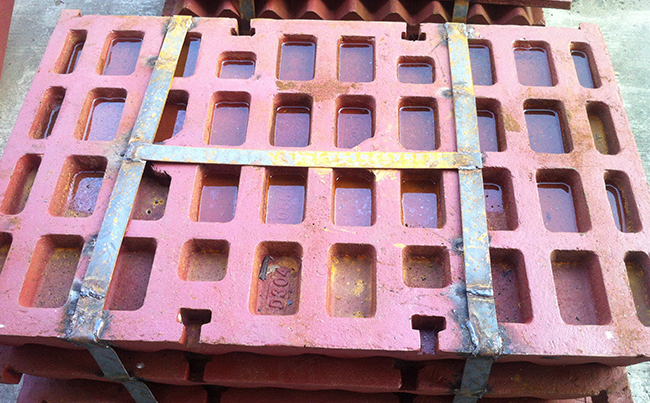
Latest Updates
Follow Us
Keeping crushing and screening equipment running worldwide.
Sign Up To Newsletter
Subscribe to get the latest parts news.
Post Comment