

Urban renewal and road reconstruction generate massive construction waste, including waste concrete, broken bricks and asphalt blocks. Traditional disposal mode needs trucks to transport debris to landfill sites, with high haulage fees and limited landfill capacity. More contractors choose on-site recycling with a stone crusher, turning waste into usable recycled aggregates for subgrade filling and stabilized soil. However, mixed materials, hidden steel rebar, mud and high moisture bring unique challenges to crushing operations.

Key Pain Points of C&D Waste Crushing Work
The biggest pain point for demolition waste recycling is complicated feed composition. Rebar and metal fragments inside concrete may damage crusher rotors if not removed in time. Sticky mud and wet materials stick to crushing cavities and screen decks, causing frequent clogging and reducing effective processing capacity. Meanwhile, most urban sites are close to residential zones. Excessive dust and loud noise will trigger complaints and administrative penalties, so environmental control must be considered in the very beginning of scheme design.
Recommended Matching Configuration for crusher in Waste Recycling Lines
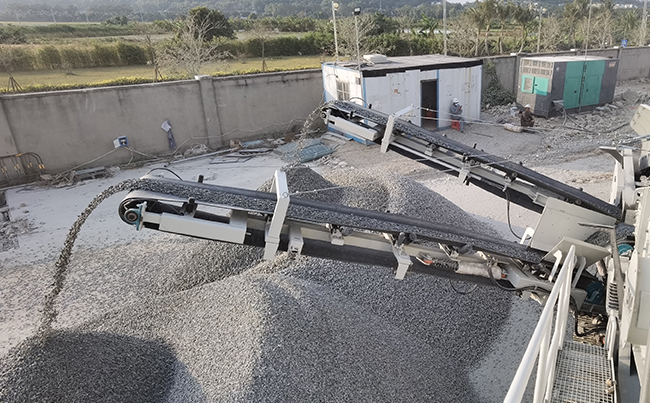
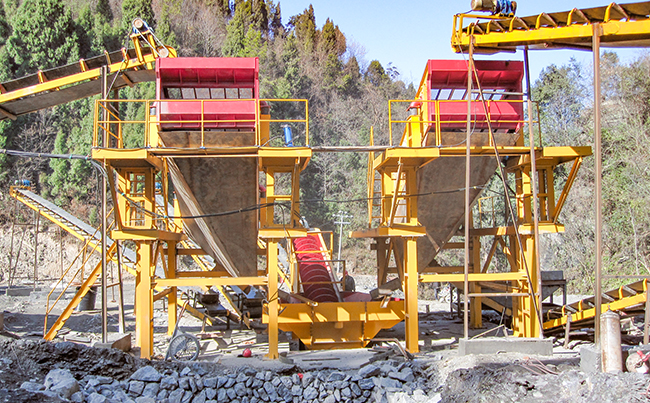
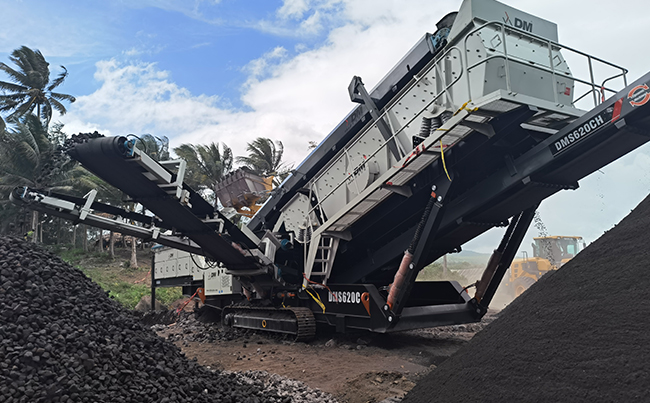
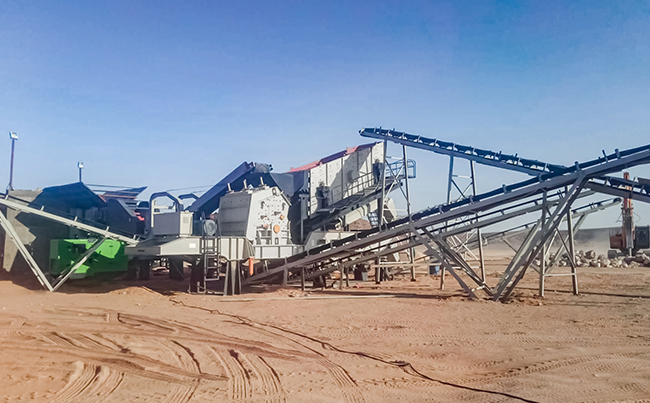
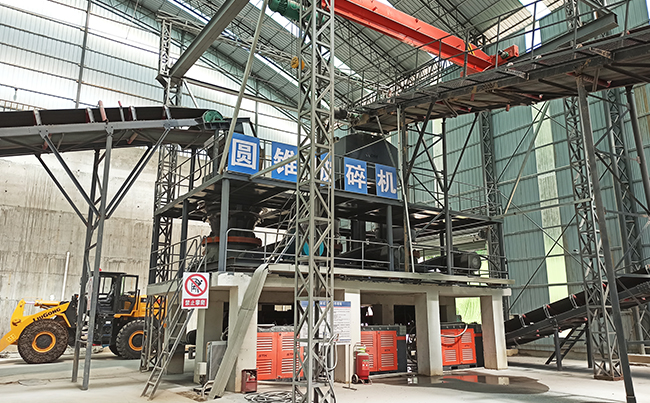
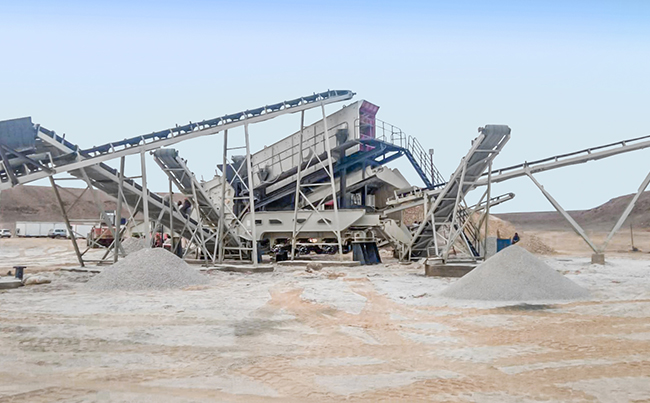
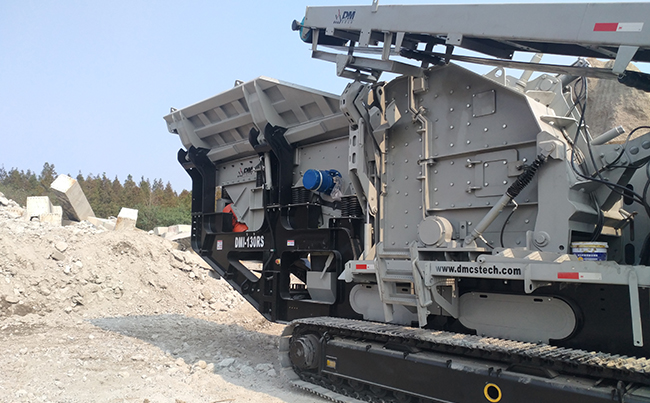
A matched crusher solution for C&D waste usually combines iron removers, pre-screens and impact crushing units. Magnetic separators pull out steel bars and metal scraps before materials enter the crushing chamber to protect rotor and liners. Pre-screening removes fine soil and mud, reducing clogging risk. Impact crushers are preferred in this scenario because they produce well-shaped recycled aggregates, which meet the gradation requirement of road base materials. For projects that move from one demolition site to another frequently, tracked mobile crushing sets are more suitable. They need no heavy concrete foundation and can start operation within a short time after arriving at the site.
Standard Operation & Preventive Maintenance Rules
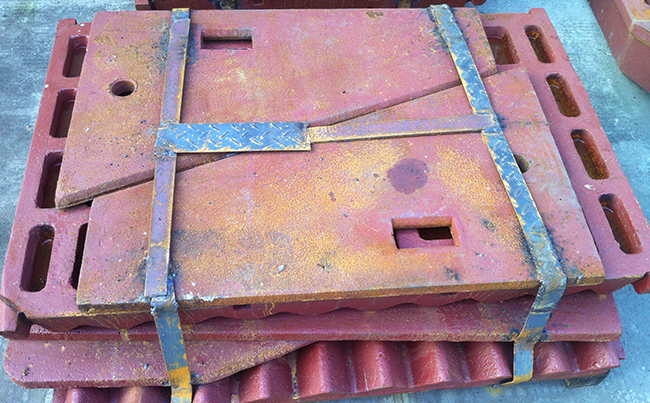
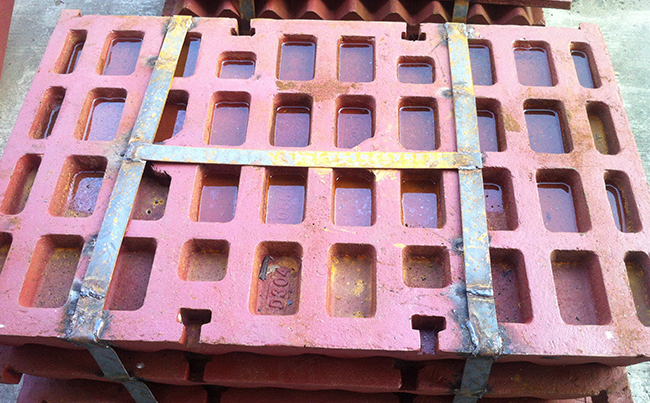
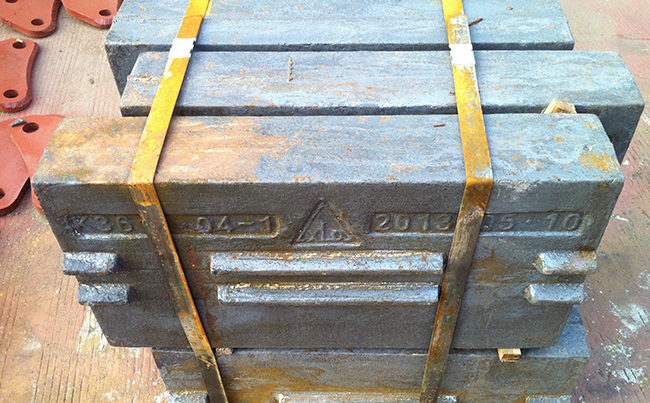
Operation rules also affect recycling efficiency. Operators should keep feeding evenly and avoid overloading the crushing cavity. Daily inspection covers dust spray pipelines, sealing covers, lubrication status and wear thickness of blow bars. The crusher manufacturer will set a regular wear inspection cycle. When wear parts reach the limit, replace them in planned maintenance windows instead of waiting for sudden breakdown.
Economic Benefits of On-Site Waste Recycling
Economic benefit comes from saving landfill and transportation cost. On-site recycled aggregates replace purchased natural aggregates. For medium and large urban demolition projects, the saved transport and landfill expenditure can cover equipment investment quickly. In regions with strict solid waste policies, qualified recycled aggregates also bring extra market opportunities for green construction projects.
Core Factors to Compare When Choosing a stone crusher
When comparing different stone crusher options, contractors should not only check the nominal throughput. They need to confirm whether the machine can handle sticky mixed waste, whether dust and noise control accessories are included, and whether local service and spare parts support is available. A recycling crushing line tailored for construction waste can turn demolition debris into valuable resources, realize circular economy and help contractors meet green construction requirements while improving project profit.
Latest Updates
Follow Us
Keeping crushing and screening equipment running worldwide.
Sign Up To Newsletter
Subscribe to get the latest parts news.
Post Comment