

For most aggregate producers and quarry operators, wear parts replacement is one of the largest variable costs in daily operation. Many plant managers find that even if they purchase a stone crusher with competitive initial price, frequent replacement of jaw plates, blow bars, concave and mantle will erode profit quickly. Some production lines are forced to stop frequently because of premature wear, which leads to missed delivery schedules and extra labor expense. The core problem is not only the quality of individual spare parts, but also the mismatch between crushing cavity structure, raw material property and equipment configuration. A reliable crushing equipment manufacturer will not only sell standalone machines, but provide a matched whole-circuit optimization scheme to control wear consumption systematically.

Hidden Risks of Low-Cost Generic Wear Parts
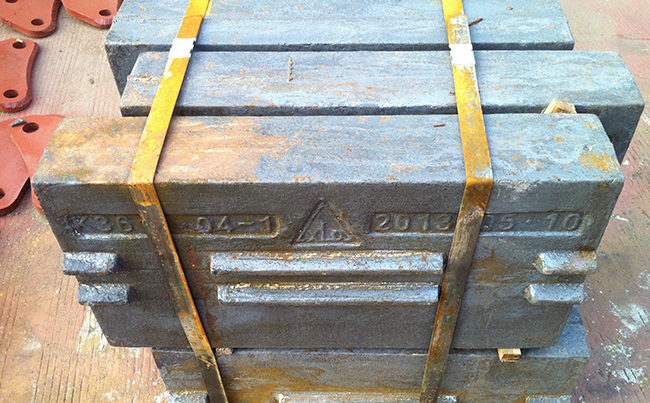
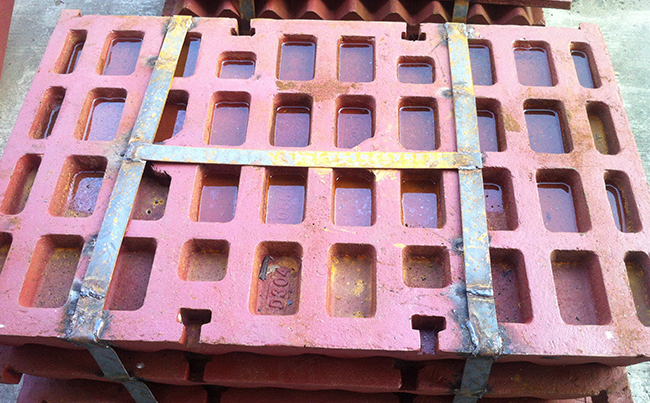
Many operators tend to buy cheap spare parts from third-party suppliers to cut short-term spending. However, low-quality wear parts usually have unstable hardness and poor impact resistance. When processing high-abrasive rock such as granite, basalt and quartz stone, these parts crack or wear out rapidly. Unplanned shutdowns often happen during peak production seasons. When the production line stops, the whole site loses revenue, and the maintenance team has to spend extra time on disassembly and replacement. In contrast, professional crushing equipment manufacturers test wear parts under real working conditions. They select high-chromium alloy, manganese steel and composite materials according to different rock abrasiveness, and adjust cavity curve to reduce direct impact friction between raw stone and metal components. This design can extend the service life of key wear parts by 20% to 40% in most hard rock scenarios.
Custom Circuit Matching Reduces Unnecessary Wear Loss
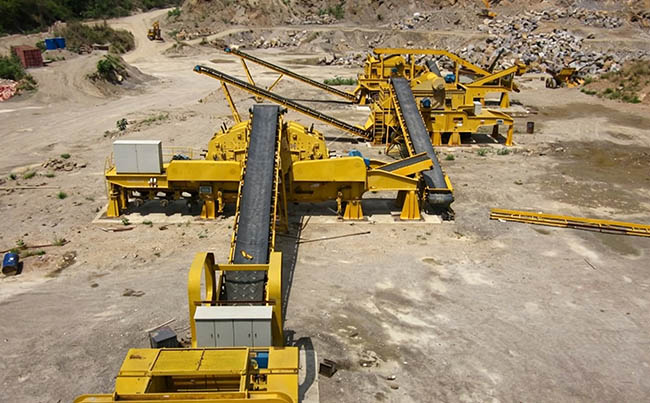
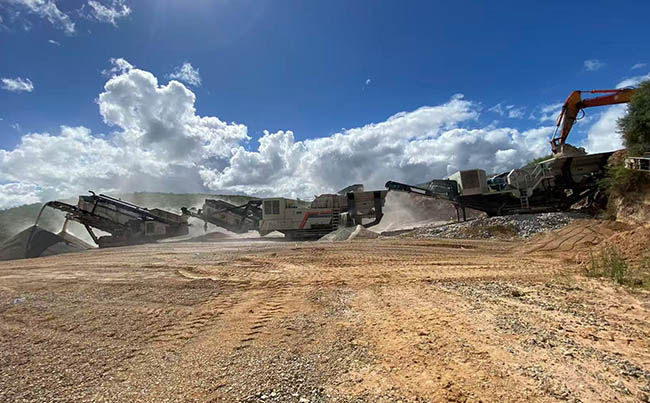
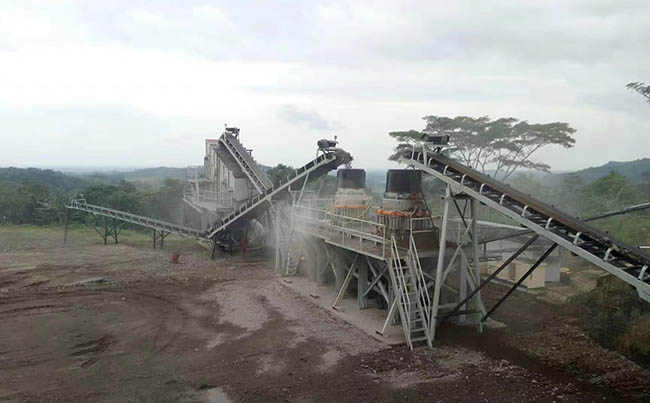
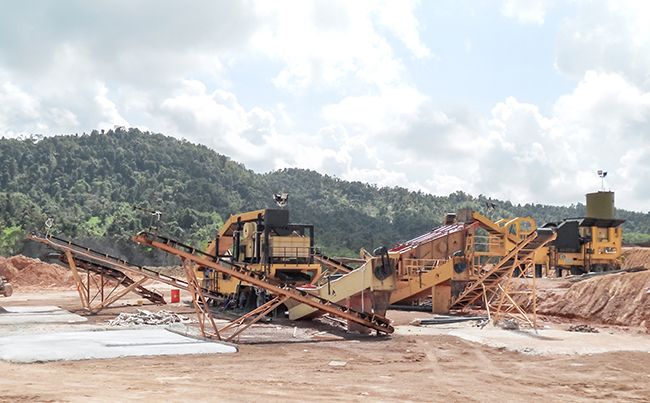
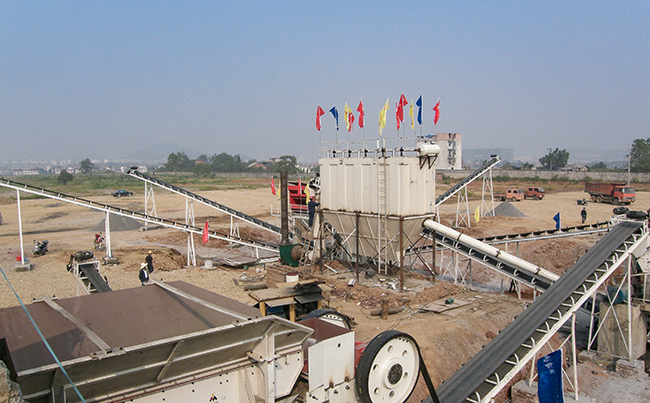
Customized crushing circuit design is another core advantage brought by qualified crusher manufacturers. A one-size-fits-all crushing layout often causes over-crushing or circulating load surge. Excessive circulating material will repeatedly impact the crusher liner and screening deck, accelerating wear loss. Experienced engineers will conduct site survey first, test raw material hardness, moisture content and target aggregate gradation, then match primary, secondary and tertiary crushing equipment properly. For example, for hard rock quarry, they configure fixed jaw crusher for primary crushing and fixed cone crusher for secondary crushing, instead of using impact crusher for high-abrasive raw materials blindly. For manufactured sand production with low abrasive limestone, they arrange fixed impact crusher to get cubical sand shape while keeping wear consumption at a reasonable level. This matching logic avoids unnecessary wear loss caused by improper equipment selection.
Standardized Maintenance and Fast Spare Parts Supply
Standardized maintenance guidance and fast spare parts supply also help reduce comprehensive wear cost. Many small machinery suppliers only sell crushers and cannot provide stable spare parts supply chain. Once key components are damaged, customers need to wait weeks for delivery, causing long downtime. Formal crushing equipment manufacturers maintain local spare parts warehouses and build digital maintenance service systems. They provide regular inspection checklists, lubrication cycles and wear monitoring tutorials for on-site operators. Engineers can guide workers to adjust crusher discharge gap, feeding speed and pre-screening parameters remotely, which prevents overload operation that speeds up liner wear. Timely minor adjustment can effectively delay large-scale wear and avoid sudden breakdown.
Clear ROI from Wear Consumption Optimization
The economic benefit of optimizing wear consumption is obvious. Take a 200 TPH hard rock aggregate plant as an example. If the wear part cost drops from 1.2 USD per ton to 0.7 USD per ton, the plant can save nearly 80,000 USD every year when running 2000 working hours. Meanwhile, fewer unplanned stops lift the effective production time, so the plant can deliver more qualified aggregates to road construction, concrete batching plant and hydraulic engineering projects. The profit improvement comes from two sides: lower consumption cost and higher stable output.
Key Factors to Evaluate When Choosing a Crusher Manufacturer
When selecting a crusher manufacturer, buyers should not only compare machine price, but focus on wear part test data, cavity customization capability, spare parts delivery cycle and after-sales technical support. A good supplier views wear control as a system project rather than a simple spare parts business.
Conclusion
In conclusion, controlling wear part cost is critical for long-term profitability of aggregate plants. A professional crushing equipment manufacturer combines optimized cavity design, high-performance wear-resistant materials, scientific circuit matching and full-cycle maintenance service to help customers reduce tonnage cost. This cooperation mode helps quarry and aggregate producers balance production capacity, product quality and operating expenditure, and gain stable competitive advantages in the aggregate market.
Latest Updates
Follow Us
Keeping crushing and screening equipment running worldwide.
Sign Up To Newsletter
Subscribe to get the latest parts news.
Post Comment