

Remote road base construction brings a set of unique challenges that rarely appear in fixed quarry sites. Long transport distances, unstable power grids, limited access for heavy trucks and tight construction schedules all make stone crusher selection one of the most critical decisions for contractors. Choosing mismatched crushing equipment will lead to frequent downtime, poor aggregate gradation, soaring fuel and hauling expenses, and even delays to the whole road project. This guide breaks down core selection factors, practical configuration schemes and operation tips to help project teams make cost-effective choices for remote road base production.

Main Pain Points of Aggregate Production for Remote Road Projects
Before comparing different crusher models, it is necessary to clarify the actual constraints on site. First, raw material sources are scattered. Many remote road projects use on-site rock excavated from road trenches or nearby borrow pits, instead of purchasing finished aggregates from commercial plants. The rock type, hardness and block size often change along the route. Second, power supply conditions are unreliable. Some construction zones do not connect to the grid, and generators become the only power source. Third, finished aggregate haulage is expensive. If crushing is carried out far away from the paving section, the freight cost will take up a large share of the total budget. Fourth, the construction window is narrow. Road base work is usually scheduled before rainy seasons, so the crushing line must start quickly and maintain stable output.
Many contractors simply buy a low-cost stationary crusher and transport it to remote sites, only to find that installation takes weeks, generator capacity cannot support the full load, and moving the whole line to the next road section is almost impossible. This is why the selection of crushing equipment should start with site conditions rather than price alone.
Key Factors to Consider When Choosing a Stone Crusher
Material property is the first factor. For hard granite and basalt used for high-grade road base, primary crushing relies on jaw crushers, while cone crushers are preferred for secondary crushing to get cubic particles. For softer limestone and river rock, impact crushers can produce qualified road base aggregate with fewer crushing stages. Contractors should test sample rock to confirm compressive strength and abrasion value before confirming the machine type.
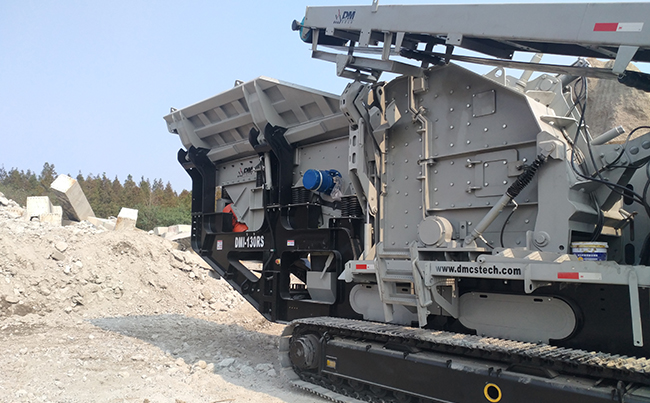
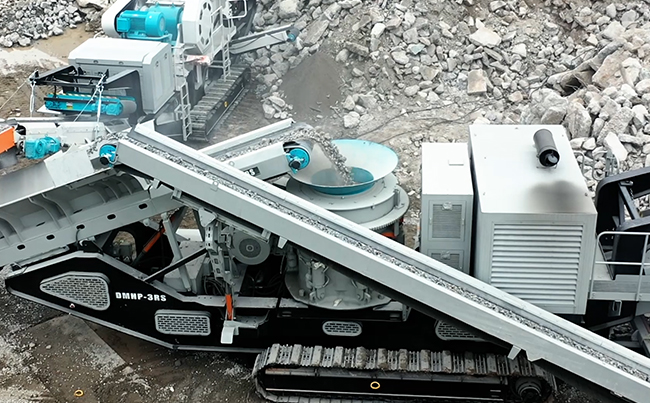
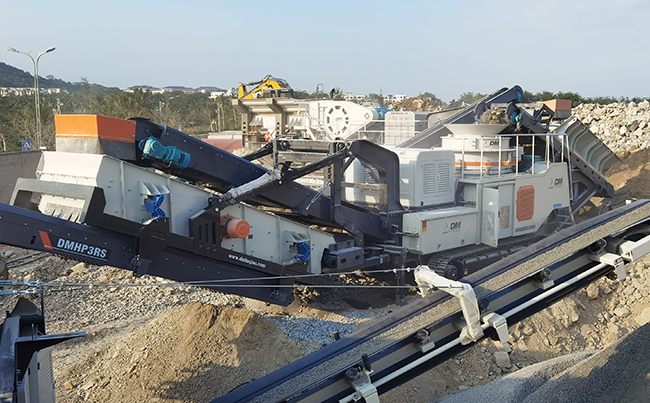
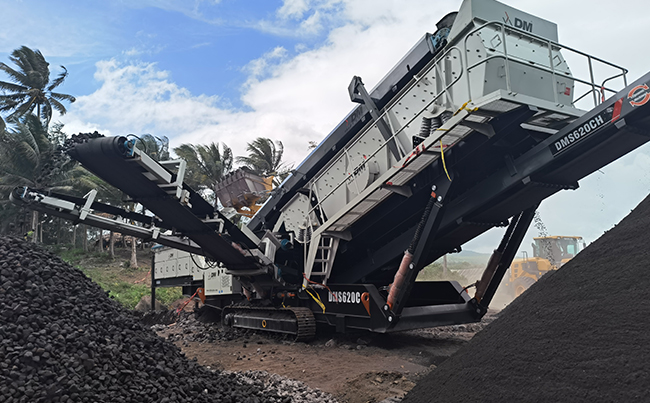
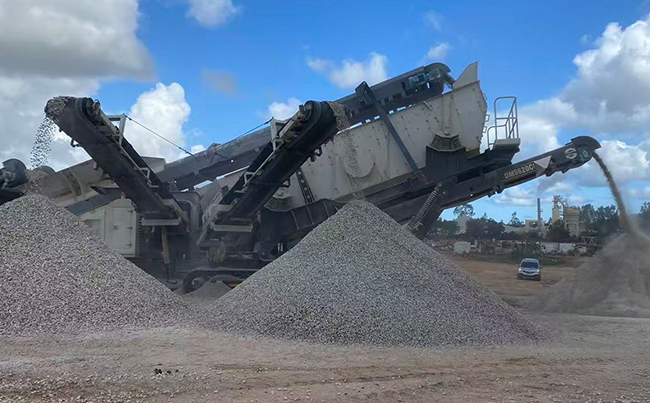
Mobility requirement is another decisive point. For long linear road projects, tracked mobile stone crusher units are more suitable. They can travel along the road alignment, process excavated rock on different work zones, and avoid repeated raw material haulage. If the project is a single fixed borrow pit with a long construction cycle, stationary crushing lines with larger capacity can deliver better unit output and lower wear cost per ton.
Power and fuel adaptation cannot be ignored. When working with diesel generators, the total power consumption of crushers, feeders and conveyors must be calculated to avoid overload tripping. Some mobile crushing plants are equipped with integrated diesel-electric drive systems, which work independently without grid support and simplify wiring work on site. Contractors also need to evaluate local fuel supply and maintenance accessibility for engine-driven units.
Recommended Equipment Configuration for Road Base Aggregate
A typical mobile configuration for remote road projects combines a tracked mobile jaw crusher for primary breaking and a tracked mobile screening machine for grading. This compact setup is easy to deploy and can produce several sizes of base material directly. If the project requires high cubicity and low flaky particle content, add a tracked mobile cone crusher after the jaw unit to form a closed-circuit crushing system. Oversized material is sent back to the cone crusher for reprocessing, so finished aggregate meets highway base specification consistently.
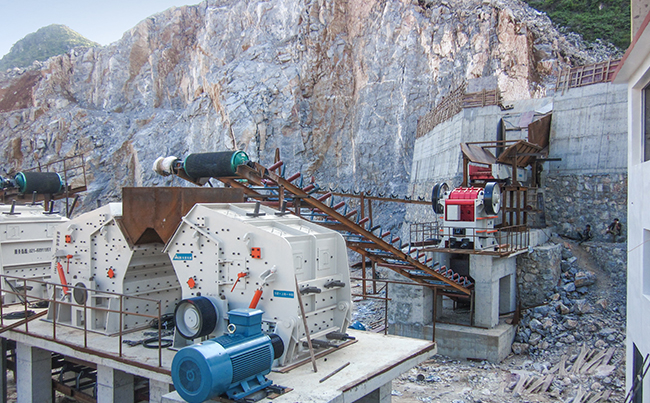
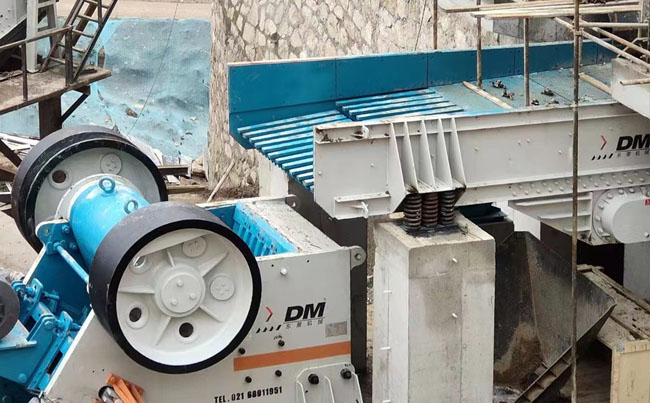
For stationary schemes, a full line includes feeder, jaw crusher, cone or impact crusher, multi-deck screen and dust suppression system. This option fits large-volume borrow pits where the production location stays unchanged for several months. It is worth noting that stationary lines need concrete foundation construction, which costs extra time and labor in remote areas.
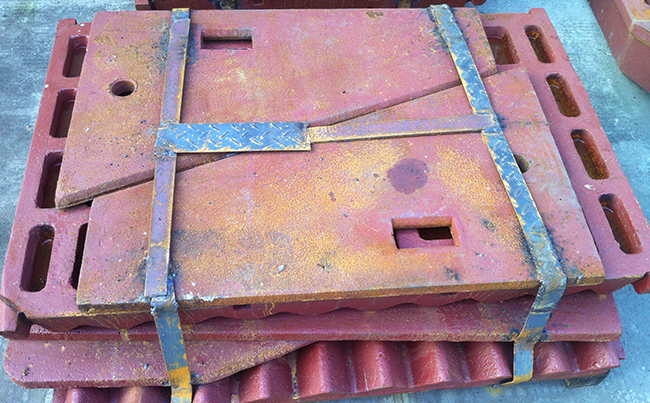
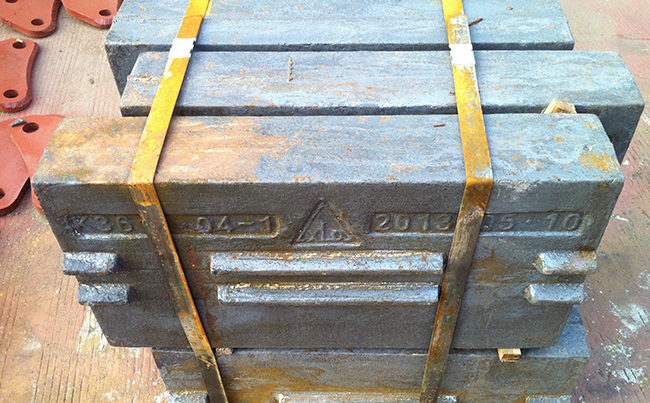
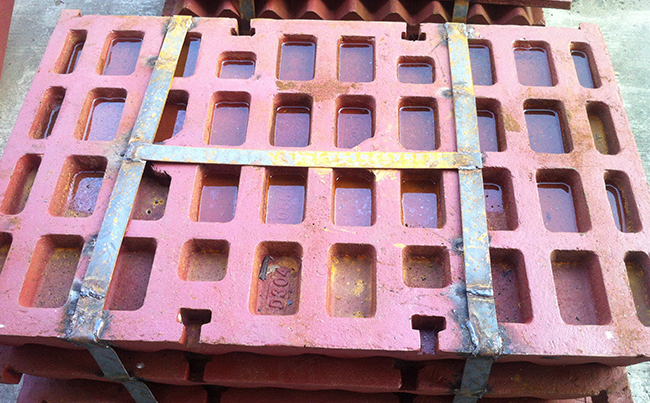
No matter which configuration is adopted, supporting facilities matter. Magnetic separators are needed to remove metal debris; dust suppression sprays or dust collectors help meet environmental requirements; spare wear parts including jaw plates, blow bars and liner should be stocked on site, since delivery to remote zones is slow.
Operation & Maintenance Tips for Remote Crushing Sites
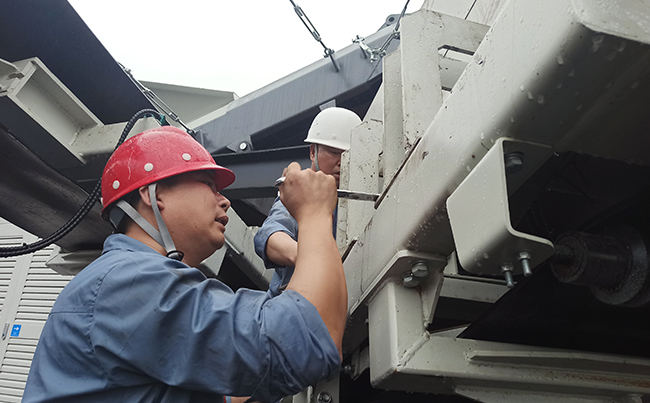
Maintenance becomes harder when local service resources are scarce. Contractors should cooperate with reliable crusher manufacturer that can provide remote technical guidance and on-site emergency service. Operators need to follow standardized daily inspection routines: check lubrication systems, fasten loose bolts, monitor bearing temperature and observe particle shape of finished products. Abnormal noise or vibration should be handled immediately to prevent major component damage.
Feed control is also important for road base production. Overfeeding will cause chamber blockage and overload, while insufficient feeding reduces output. Using a variable-speed vibrating feeder can stabilize material flow and protect the stone crusher from shock loads. Operators should also adjust the discharge setting according to the road base specification, avoiding excessive fines that weaken the performance of the compacted base layer.
How to Calculate the Return on Investment
To judge whether a crushing scheme is economical, compare the total cost of on-site crushing with purchasing finished aggregates. The cost items include equipment rental or purchase, fuel, generator power, wear parts, labor, transportation and site preparation. The biggest saving usually comes from eliminating raw rock haulage and landfill fees for excavated spoil. For many remote road projects, on-site crushing with a suitable stone crusher can cut aggregate supply cost by 20% to 40% compared with buying from distant aggregate plants.
Contractors should also assess residual value. Mobile crushing units can be reused on subsequent road projects, which improves long-term ROI. If the project cycle is short, equipment rental is often more flexible than direct purchase.
Final Summary
Selecting a stone crusher for remote road base construction is not about picking the largest or cheapest machine. It is a balance of material type, project layout, power condition, construction period and after-sales support. Mobile crushing systems suit linear road projects with frequent position changes, while stationary crushing lines perform better for long-term fixed borrow pits. By matching the right crushing equipment, optimizing closed-circuit configuration and preparing sufficient spare parts, contractors can produce qualified road base aggregate steadily, control overall cost and avoid costly delays in remote construction zones.
Related Tags
Stone Crusher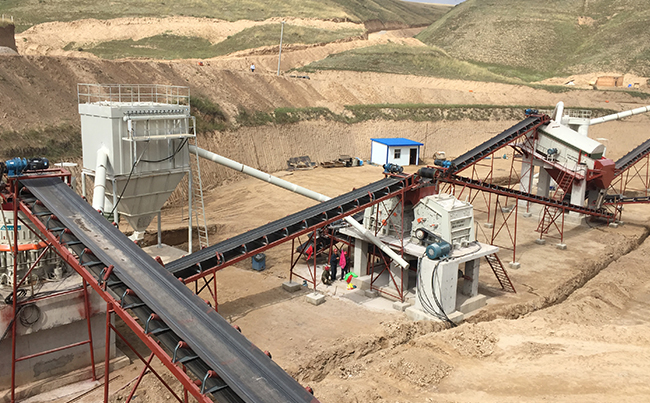
Latest Updates
Follow Us
Keeping crushing and screening equipment running worldwide.
Sign Up To Newsletter
Subscribe to get the latest parts news.
Post Comment