

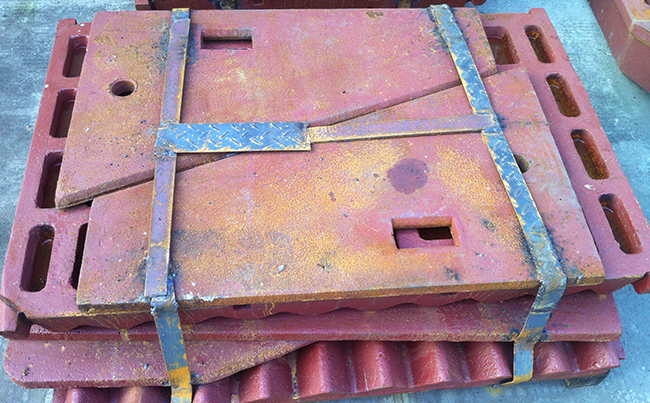
Construction and demolition (C&D) waste recycling has become a fast-growing segment of the circular building materials economy, with primary jaw crushers handling the first-stage reduction of mixed concrete blocks, masonry, reclaimed asphalt and ceramic debris. Among all jaw crusher spare parts, side plates (also called cheek plates) are among the most overlooked yet critical wear components. Unlike jaw plates that bear direct crushing force, side plates shield the inner walls of the crusher frame from abrasive scouring and side impact of tumbling materials. Many recycling plant operators underestimate wear rates under irregular, highly contaminated C&D feed, leading to worn-through plates, frame body abrasion, material leakage and even structural deformation. For recycling projects operating on tight margins and project schedules, unplanned shutdowns for frame repair can easily erase monthly profitability. Optimizing the selection, installation and maintenance of jaw crusher side plate systems is a low-investment, high-return measure to stabilize primary crushing production.

Why Side Plate Failure Plagues C&D Crushing Operations
The most widespread issue is accelerated uneven wear caused by mixed feed composition. C&D waste contains not only concrete and brick but also mortar, sand, ceramic fragments and occasional metal scraps. Fine abrasive particles become trapped between the jaw plate and side plate, creating three-body abrasion that erodes plate surfaces far faster than clean natural stone crushing. In typical C&D applications, low-grade side plates may wear through in 200 to 400 operating hours, while the main jaw plates still retain 50% or more of their service life.
Second, irreversible frame damage from delayed replacement. Once side plates are perforated, sharp aggregate and mortar particles directly scour the cast steel frame body. Repairing a worn frame requires on-site welding, overlaying and machining, taking 3 to 7 days of downtime and costing 10 to 20 times the price of a full set of side plates. Many small recycling plants continue operation until obvious material leakage occurs, by which time frame damage has already taken place.
Third, poor dimensional fit and gap enlargement. Low-quality aftermarket side plates often have inaccurate casting tolerances, leaving excessive gaps between plates and frame. Fine materials and small stones wedge into the gaps, causing edge chipping, plate deformation and bolt loosening. This not only accelerates wear but also creates safety hazards from splashing materials.
Material Matching for Jaw Crusher Side Plates by Feed Type
Side plate material must be selected based on feed abrasiveness and impact intensity to balance cost and service life.
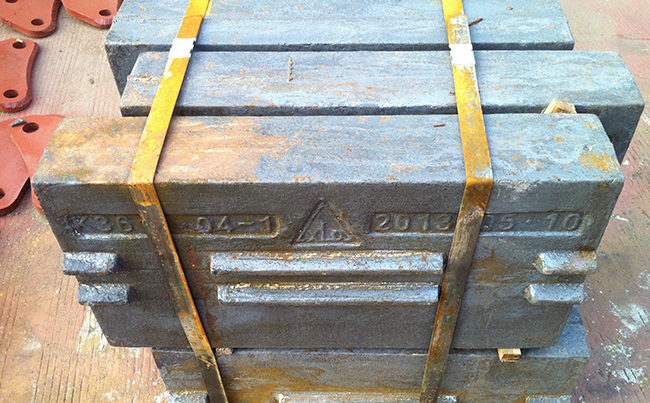
For conventional C&D waste recycling projects processing mainly concrete and brick, medium manganese steel side plates deliver the best cost-performance ratio. Medium manganese steel provides good work-hardening performance under moderate impact, gradually increasing surface hardness while maintaining internal toughness. Compared with standard high manganese steel, it offers better resistance to fine-particle scouring and comes at a lower price point, making it ideal for medium-capacity recycling stations with stable feed composition.
For projects processing high-abrasion materials such as reclaimed asphalt pavement, ceramic waste and granite-containing construction debris, Mn18Cr2 high manganese chromium side plates are recommended. The addition of chromium refines the grain structure, improving both impact toughness and abrasion resistance. This material handles occasional large concrete block impacts without cracking, while resisting fine particle scouring effectively.
For heavy-duty C&D crushing lines with high throughput and mixed metal contaminants, composite reinforced side plates with hardened working surfaces are available. These plates feature a tough base layer and a high-hardness wear-resistant surface layer, combining fracture resistance with extended wear life. However, they require strict tramp metal removal to avoid delamination damage.
Installation Standards to Maximize Wear Life
Proper installation directly determines side plate service life and frame protection performance.
Before installation, thoroughly clean the frame mounting surface to remove residual material, rust and old gasket debris. Ensure the mounting surface is flat and free of bumps. Uneven mounting surfaces cause uneven stress distribution across the plate, leading to premature cracking and localized wear hotspots.
Control the fit gap between side plate and jaw plate. Industry best practice recommends a gap of 8 to 12 mm. Excessively small gaps cause direct friction between the moving jaw and side plate, generating heat and accelerating wear on both components. Excessively large gaps allow too much material to enter, increasing three-body abrasion. When replacing only side plates, check jaw plate edge wear and adjust the gap accordingly.
Fasten bolts in diagonal sequence with graded torque to ensure uniform pressure across the entire plate. Loose bolts are a major cause of side plate shifting, chipping and abnormal noise. Re-torque bolts after the first 8 hours of operation following installation, and recheck weekly during routine maintenance.
Preventive Maintenance Routines for Reliable Performance
Proactive maintenance can extend side plate service life by 30% to 50% without additional material cost.
First, optimize feed conditions. Install a pre-screening unit before the jaw crusher to remove fine soil, sand and powdery mortar. Reducing fine particle content in the crushing chamber significantly cuts three-body abrasive wear on side plates. Install a magnetic separator on the feed conveyor to remove iron scraps and steel wires, which can gouge side plate surfaces and initiate cracks.
Second, implement regular thickness inspection. Measure side plate thickness at 3 to 5 key points (upper, middle, lower) every week. Establish a clear replacement threshold: replace side plates when the remaining thickness at the thinnest point reaches 30% of the original thickness. Never wait for perforation to occur. For C&D waste applications, it is recommended to prepare replacement spare parts when remaining thickness drops to 40% to avoid supply delays.
Third, rotate side plates periodically. Most side plates have symmetrical upper and lower structures. When the lower section (which suffers the heaviest wear) reaches the warning thickness, flip the plate upside down to utilize the less worn upper section, effectively doubling the total service cycle.
ROI Analysis: Side Plate Optimization for Recycling Plants
Investing in quality side plates and standardized maintenance delivers clear economic returns for C&D waste recycling operations.
Take a 100 tph mobile C&D crushing line as an example. Using ordinary low-quality side plates requires replacement every 300 hours, with 8 sets needed per year, plus 2 to 3 minor frame repair operations. Upgrading to alloyed manganese steel side plates extends service life to 700 hours, requiring only 3 to 4 sets per year and eliminating unplanned frame repair downtime.
Calculated on an annual basis, the upgrade reduces direct side plate expenditure by about 25%, saves 15 to 20 days of unplanned downtime, and avoids expensive frame repair costs. More importantly, stable production ensures continuous supply of recycled aggregates to downstream concrete and brick making facilities, supporting long-term customer cooperation and contract stability.
Conclusion
Jaw crusher side plate components serve as the primary protective barrier for jaw crusher frames, and their importance is magnified in the harsh, variable conditions of C&D waste recycling. For recycling plant operators, selecting the appropriate side plate material for feed characteristics, following precision installation standards and implementing regular inspection and rotation practices will effectively reduce wear speed, avoid costly frame damage and improve the overall reliability of primary crushing. When included as part of a standardized crusher wear part management system, side plates deliver measurable ROI through reduced downtime and lower total operating cost.
Latest Updates
Follow Us
Keeping crushing and screening equipment running worldwide.
Sign Up To Newsletter
Subscribe to get the latest parts news.
Post Comment