

Primary crushing is the starting point of any aggregate processing plant. Many quarry operators invest heavily in secondary crushing and screening sections during plant construction or technical upgrades, yet overlook the matching of primary crushing host equipment. This mistake inevitably leads to a series of production troubles: oversized blasted rock cannot be fed smoothly, frequent blockage triggers emergency shutdowns, and overload trips interrupt continuous production. Especially in projects processing high-hardness rock such as granite and basalt, blasted boulders feature large dimensions and strong compressive resistance. Ordinary coarse crushing machines cannot handle these materials directly, forcing operators to carry out secondary rock breaking manually. Extra labor cost rises sharply and the overall production schedule slows down. In addition, outdated jaw crushers suffer rapid liner wear, inconvenient CSS adjustment, and fluctuating discharge size. Unstable semi-finished material quality creates variable load on downstream cone and impact crushers, shortening service life of secondary equipment and reducing finished aggregate quality. If quarry owners want to maximize total plant throughput, optimizing primary crushing stage and adopting properly matched fixed jaw crusher is one of the most practical solutions for mining and aggregate projects.

Common Pain Points in Primary Crushing for Aggregate Production
Most troubles in coarse crushing workshops are not isolated equipment failures, but combined challenges from raw material characteristics, improper equipment matching and unreasonable plant layout. First, limited feed opening cannot accept large blasted boulders. Small traditional jaw crushers require secondary blasting or pre-breaking, bringing safety risks and extra working hours. Second, frequent stall under hard rock conditions. When rock hardness exceeds machine design limit, materials slip inside crushing chamber, motor current spikes and overload protection halts production. Unplanned downtime leads to severe economic losses. Third, fast consumption of wear parts. Jaw plates, toggle plates and other components need frequent replacement, increasing spare parts cost and downtime loss. Fourth, cumbersome closed side setting adjustment. Operators cannot quickly tune discharge size, resulting in unstable semi-finished particle size and fluctuating load on secondary crushers. Fifth, poor foundation and auxiliary design. Inadequate shock absorption and feeding systems cause heavy vibration during operation, damaging workshop structures. Dust and noise problems also make it hard to meet environmental regulations.
Solutions Delivered by Fixed Jaw Crusher
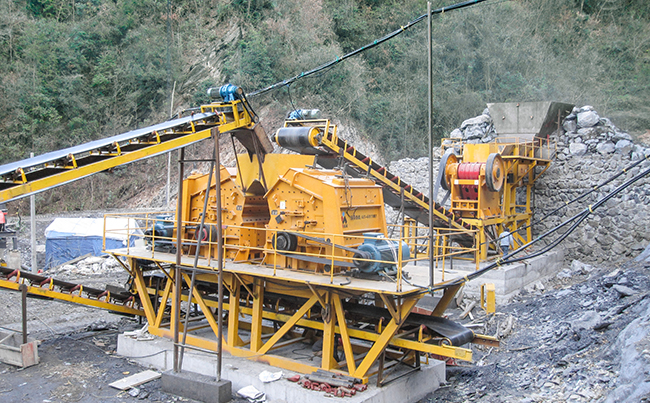
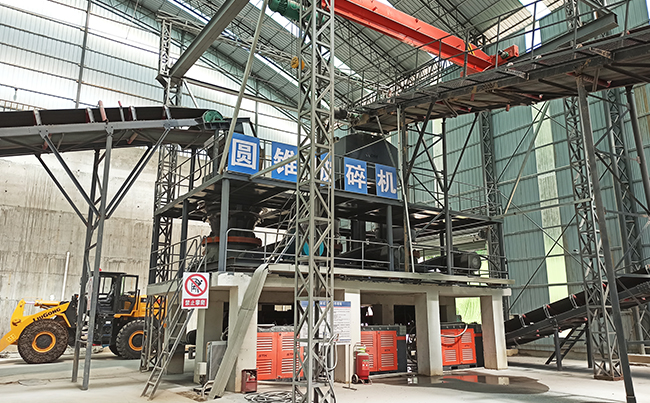
The fixed jaw crusher works on compression crushing principle and is specially designed for coarse crushing of hard rock. Its deep crushing chamber and enlarged feed opening can directly receive blasted boulders and eliminate secondary rock breaking procedures. Heavy cast steel frame greatly improves impact resistance and avoids frame deformation or cracking under long-term heavy-duty operation. Hydraulic CSS adjustment system allows operators to modify discharge gap safely and rapidly, stabilizing semi-finished particle size to match feed requirement of downstream crushers. Built-in overload protection stops host damage when unbreakable foreign objects enter the crushing cavity. In complete plant layout, pairing fixed jaw crusher with vibrating feeder and pre-screening equipment removes fine particles in advance. Fine material bypass reduces accumulation inside crushing chamber, lowers jaw plate abrasive wear and decreases blockage probability. The whole primary crushing unit is fixed on reinforced concrete foundation, equipped with sealed dust collection system to meet dust emission standards for long-term quarry operation.
Typical Application Scenarios
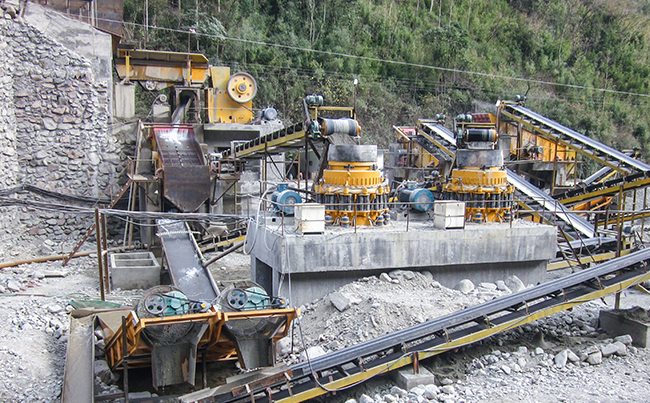
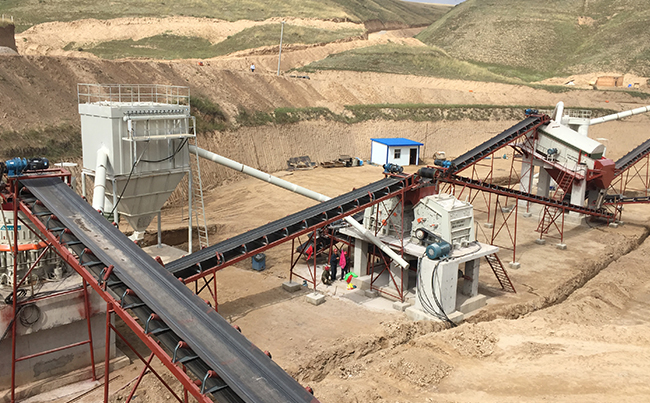
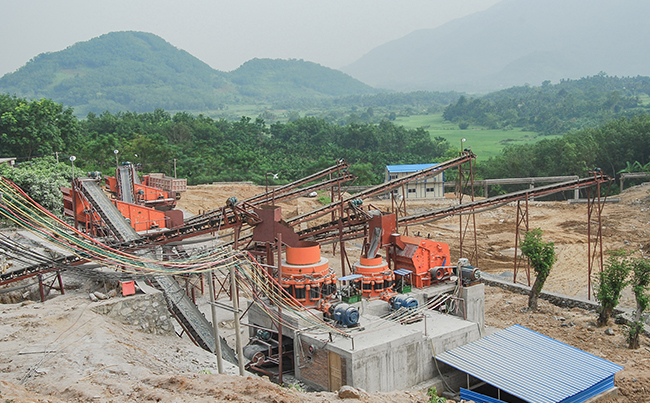
As primary crushing host, fixed jaw crusher is widely adopted in large open-pit quarry aggregate lines, metal ore crushing, aggregate processing for water conservancy, highway and railway infrastructure. It is the preferred choice for projects with long mining cycle, abundant stone reserves and sufficient site space. It can process limestone, granite, basalt, river pebble and multiple rock types. After primary crushing, semi-finished stones are sent to fixed cone crusher or fixed impact crusher for secondary crushing and shaping. For large aggregate bases with daily capacity up to ten thousand tons, multiple fixed jaw crushers can run in parallel to guarantee stable massive output.
Customer Benefits
Deploying a properly selected fixed jaw crusher directly raises effective working hours of the whole production line by cutting downtime caused by blockage cleaning. Removing secondary rock breaking reduces blasting, machinery and labor expenses while lowering safety hazards on site. Stable semi-finished particle size balances load of secondary crushing equipment, extending service life and cutting maintenance cost of cone and impact crushers. Heavy-duty frame design delivers low failure rate, supporting continuous two-shift or three-shift production. Matched dust and noise control systems help mining enterprises pass environmental inspection and avoid production suspension penalties. Consistent aggregate output ensures order delivery and strengthens market competitiveness for aggregate suppliers.
Equipment Selection Logic
Selection should not only refer to theoretical capacity. Raw material property, maximum feed size, target hourly throughput and required semi-finished size must be fully evaluated. First, test rock compressive strength to distinguish soft rock, medium-hard rock and high-hardness rock. Heavy-duty deep-chamber jaw models are recommended for hard rock. Second, confirm maximum dimension of blasted boulders, making sure feed opening is larger than raw stone size to prevent jamming. Third, match primary crusher capacity according to total plant output, reserve 10% to 20% extra capacity to avoid continuous full-load operation. Fourth, check power supply condition and configure power cabinet and overload protection. Fifth, design civil foundation, feeding, conveyor and dust removal as a complete system instead of purchasing host machine separately. Besides, confirm spare part supply channels to shorten waiting time for jaw plates and toggle plates.
Operation and Maintenance Guidelines
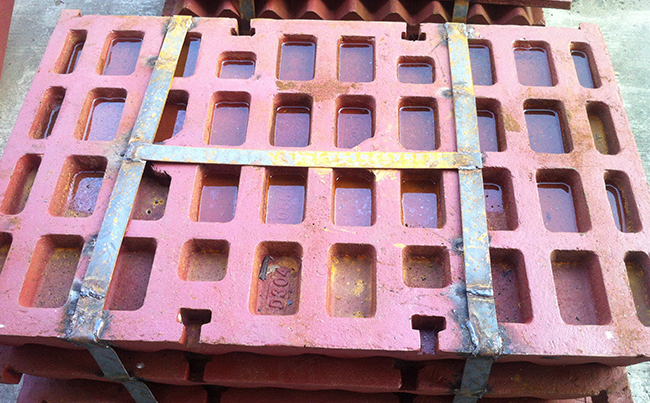
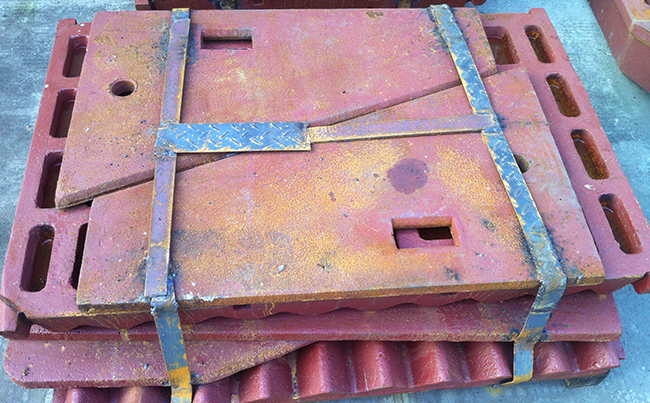
Standardized maintenance is critical to extend service life and stabilize capacity of fixed jaw crusher. Before startup, inspect crushing chamber to remove residual stones and metal debris, check jaw plate fastening condition and verify lubricant level and quality. Start the machine under no-load condition. Feeding can only begin after stable rotation of host. Monitor motor current, vibration and abnormal sound during operation. Stop feeding immediately once abnormal signals appear, shut down following standard procedure for troubleshooting, never run machine with known faults. Check jaw plate wear regularly, reposition or replace worn jaw plates to maintain crushing efficiency. Tighten anchor bolts periodically to prevent loosening caused by long-time vibration. Clean dust collection system regularly to guarantee dust capturing performance. Build maintenance log to record running hours, part replacement and fault history. Carry out preventive maintenance and pre-order spare parts to minimize unexpected shutdown.
Project ROI Analysis
Fixed crushing plant requires upfront investment in civil foundation, machine procurement and dust control facilities. Initial capital cost is higher than mobile crushing solution. However, unit processing cost per ton of stone is lower under long-term large-scale production. For quarries with over 5-year mining cycle and sufficient reserves, the advantages of fixed jaw crusher in stable throughput and single machine capacity will become prominent. Stable production supports bulk infrastructure aggregate orders and reduces shared electricity, labor and spare parts cost per ton. Although civil construction takes longer time before commissioning, unplanned downtime is low and maintenance cost remains controllable after operation. Compared with mobile solutions requiring frequent material hauling, fixed primary crushing brings better comprehensive economic benefit for large-scale long-term projects. Operators should calculate payback period according to stone reserves, aggregate market price and processing cost at early project stage.
Conclusion
Primary crushing stage determines the maximum throughput of aggregate production line. Bottlenecks in coarse crushing restrict overall plant output. Fixed jaw crusher features powerful hard rock crushing capacity and reliable continuous operation to solve boulder handling, frequent stall and unstable discharge size. Comprehensive site survey, proper machine selection and auxiliary layout design at project preparation stage, together with standardized daily maintenance after commissioning, can fully release production potential of fixed jaw crusher. Stable supply of qualified semi-finished aggregates cuts overall operation cost, improves profit margin for quarry owners and helps capture orders from infrastructure aggregate market.
Latest Updates
Follow Us
Keeping crushing and screening equipment running worldwide.
Sign Up To Newsletter
Subscribe to get the latest parts news.
Post Comment