

Permanent large-scale aggregate batching plants that supply commercial concrete mixing stations, asphalt factories, and major infrastructure projects rely entirely on stable, repeatable particle gradation. Even small fluctuations in screening efficiency can trigger cascading problems downstream: inconsistent concrete slump, weakened asphalt mixture stability, rejected delivery batches, and tense contract relations with concrete buyers. Many plant operators invest heavily in high-performance jaw and impact crushers, yet overlook that screening is the quality control checkpoint of the whole production line. When screening performance drifts, all upstream crushing work loses value. A well-designed fixed screening machine serves as the reliable grading core inside stationary aggregate lines, separating crushed rock into precise size fractions and blocking oversize particles from entering finished product stockpiles. Unlike mobile screens built for flexible relocation, fixed screening equipment is engineered for continuous, high-volume, round-the-clock operation at permanent quarry and aggregate processing hubs.

Common Grading Problems in Stationary Aggregate Production Lines
The first recurring issue is unstable screening efficiency caused by improper screen deck layout. Many older plants use single-layer screens or screens with undersized screening area. When feed volume fluctuates, wet sticky rock fines blind the screen mesh rapidly, reducing separation accuracy. Oversize stones leak into fine aggregate piles, while qualified mid-size particles overflow back to the crusher, creating a vicious recirculation load that reduces overall line throughput and increases crusher wear. A second pain point is frequent structural cracking and frame failure. Low-grade screening machines with insufficient beam strength vibrate unevenly under continuous heavy load, generating metal fatigue cracks on side plates and cross beams. Unplanned screen frame breakdown forces the whole crushing line to shut down, because all crushing output flows through the screening station. Thirdly, many generic screen models lack flexible adjustment capability. Once the project specification changes, such as switching from road base aggregate to high-fines concrete sand, operators struggle to adjust amplitude, vibration angle, and mesh aperture without lengthy downtime. Dust spillage is another persistent headache. Poorly sealed screen housings spread rock dust across the plant area, violating environmental emission standards and creating respiratory hazards for on-site workers. Finally, mismatched capacity between the crusher and the screening machine creates bottlenecks. It is common to see high-output fixed impact crushers feeding into an undersized screen, so the screen cannot keep pace, leading to material buildup on the feed chute and frequent blockages.
How Fixed Screening Machine Optimizes Aggregate Grading Control
The fixed screening machine is purpose-built for integration into stationary crushing circuits, matched for continuous high tonnage operation. Multi-deck configurations are standard, with two, three or four screen layers stacked vertically to separate feed into multiple finished sizes in a single pass. Each deck can be fitted with different mesh panels: heavy-duty perforated plates for coarse separation, polyurethane modular panels for medium aggregate, and fine woven mesh for manufactured sand fraction. The vibration exciter adopts heavy-duty synchronous motor or gearbox-driven design, delivering stable linear or circular vibration trajectory according to process requirements. Linear vibration screens excel for wet, sticky materials such as limestone with clay content, while circular inclined screens offer higher throughput for dry hard rock like granite. Hydraulic tensioning systems simplify mesh replacement, cutting the time required to swap worn screen panels. Enclosed dust hoods and connection spouts can be fitted on the feed and discharge points, connecting directly to central dust extraction pipelines to meet local environmental protection emission rules. The heavy welded base frame is anchored firmly to reinforced concrete foundations, resisting vibration transfer and preventing resonance damage to surrounding plant buildings and conveyor supports.
Suitable Application Scenarios for Fixed Screening Machine
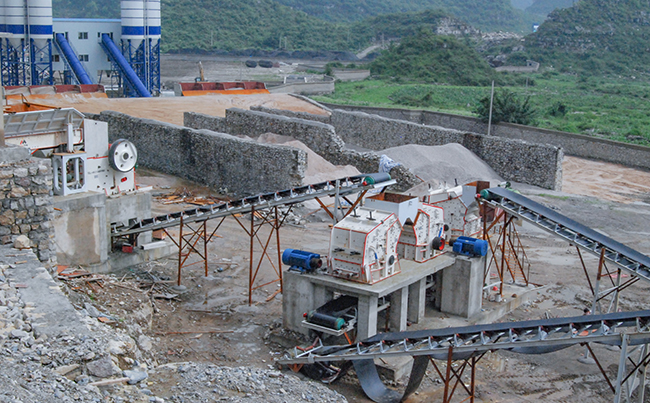
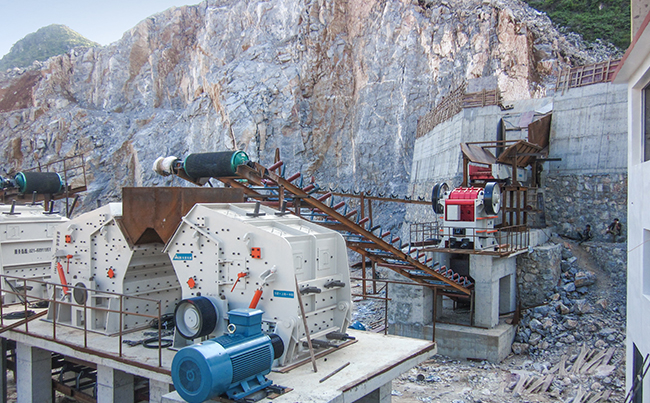
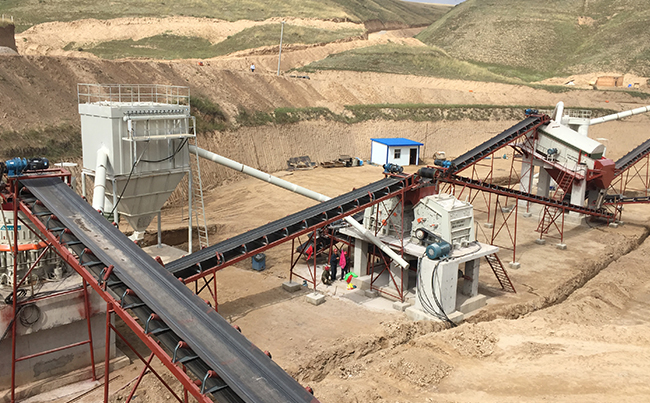
The primary application is large permanent aggregate production plants with annual output above 300,000 tons, which supply local ready-mix concrete clusters and asphalt mixing bases year-round. These plants run 16 to 20 hours per day, and they need screening equipment that can sustain continuous operation for months without major overhaul. Fixed screening machines are also widely deployed in sand and gravel bases serving railway precast beam yards, where aggregate gradation requirements are extremely strict and third-party inspection is frequent. Another key scenario is combined crushing lines with fixed jaw crushers and fixed impact crushers for cubic aggregate shaping. After the impact crusher shapes the rock, the fixed screen sorts cubical aggregates into 0–5mm, 5–10mm, 10–20mm and 20–31.5mm fractions for different concrete grades. Some mineral washing lines pair fixed screening machines with sand washers and dewatering screens to separate muddy raw material and produce washed manufactured sand. Unlike mobile screening units that move from site to site, fixed screens are also ideal for closed-loop crushing circuits, where oversize material from the top deck is conveyed back to the secondary impact or cone crusher for reprocessing.
Tangible Advantages and Customer Benefits
The biggest operational benefit is consistent, predictable gradation control. With properly selected deck angles, vibration parameters and mesh sizes, a calibrated fixed screening machine maintains stable separation efficiency even when feed moisture and rock hardness vary moderately. This stability lets concrete batching stations hold their mix design reliably, reducing adjustment work for batch operators and lowering the rate of non-compliant concrete deliveries. The second advantage is superior long-term uptime. Heavy industrial fixed screens are designed for thousands of operating hours annually. When maintained properly, their service life far exceeds light-duty mobile screening equipment, making unit screening cost per ton much lower for permanent plants. Multiple finished fractions can be produced at the same time, allowing the plant to serve multiple customers with different specification requirements simultaneously, improving sales revenue and order flexibility. The anchored installation also eliminates the need for repeated leveling, positioning, and track maintenance required for tracked screening machines. Centralized dust collection connection helps plant owners pass environmental audits and avoid fines for dust pollution.
Selection Criteria for Fixed Screening Machine
Buyers must start by defining the maximum design throughput, the number of required finished aggregate grades, and the physical properties of feed material. Wet, clay-bearing limestone needs larger screening area, self-cleaning mesh panels and linear vibration movement, while clean, dry granite works efficiently with circular inclined screens. The deck quantity is determined by the product list: three-deck screens typically produce four material streams. The exciter power and frame structural strength must be sized to match the peak surge flow from upstream crushers, not only the nominal average tonnage. Material of construction is critical: side plates, cross beams and support springs must use high-strength alloy steel to resist fatigue fracture under long-cycle vibration. Polyurethane screen panels are preferred over traditional steel mesh in many cases, as they resist clogging, have lower noise, and deliver longer wear life, although steel mesh is still necessary for extra coarse heavy rock. The foundation design must be completed by professional civil engineers, taking vibration isolation spring parameters into account to prevent resonance. It is also important to reserve spare chute outlets and conveyor interfaces if the plant plans to expand production capacity or add new product sizes later.
Standard Operation and Maintenance Protocol
Operators should monitor feed distribution constantly. Material must spread evenly across the full width of the screen deck; concentrated feeding on one side causes uneven wear and poor separation. Feed chute liners need regular inspection, as high-speed rock impact rapidly abrades steel liners, which then distort material flow. Screen panels are consumable parts. Operators should inspect panels at the end of every shift for tears, holes, and blockages. Blocked mesh should be cleaned promptly, and damaged panels replaced before oversize leakage appears. Vibration exciters are the core wearing component; lubrication intervals must be strictly followed, and oil samples should be analyzed periodically to detect early bearing degradation. Vibration isolation springs need visual inspection to spot cracks or sagging. Broken springs change the vibration trajectory and quickly damage the whole screen frame. All fasteners on the screen body should be retightened according to the supplier’s maintenance schedule, because vibration loosens bolts gradually. Dust seals and rubber skirtboards at transfer points should be replaced once they degrade, to stop dust leakage and material spillage.
Financial Return and Cost Analysis
Although a fixed screening machine requires upfront civil foundation investment and permanent conveyor layout, its low per-ton operating cost becomes decisive for plants operating year-round. When screening efficiency rises, recirculating load drops, which reduces energy consumption and wear consumption of downstream crushers. Stable product quality also supports premium pricing for certified high-grade aggregates, instead of selling mixed, ungraded material at discounted bulk rates. Many plant owners underestimate the hidden losses caused by poor screening: rejected concrete batches, contract penalties, and emergency transport of replacement qualified aggregates. Investing in a high-quality fixed screen removes these risks. Spare part inventory planning is simpler for fixed plants, and maintenance crews can schedule service during planned shutdown windows without disrupting mobile site schedules. For plants expecting more than five years of continuous operation, fixed screening configurations almost always deliver a stronger ROI than repeated rental or purchase of mobile screening units.
Conclusion
Within stationary aggregate and concrete supply chains, the fixed screening machine acts as the quality gatekeeper that translates crushing output into marketable, specification-compliant aggregate products. It directly addresses the industry pain points of fluctuating gradation, mesh blinding, structural fatigue failure, dust emissions, and process bottlenecks. For permanent quarry plants and aggregate hubs supplying ready-mix and asphalt industries, fixed screening equipment offers high sustained throughput, multi-fraction separation capability, and low long-term operating cost that mobile screening equipment cannot match. When matched correctly with upstream crushers, fitted with suitable screen media, and maintained with a structured preventive schedule, it delivers stable grading results month after month. It helps plant operators protect customer contracts, meet strict infrastructure material standards, control environmental risks, and build a reliable, profitable aggregate production system for years to come.
Latest Updates
Follow Us
Keeping crushing and screening equipment running worldwide.
Sign Up To Newsletter
Subscribe to get the latest parts news.
Post Comment