

When construction and quarry teams operate in remote zones such as mountain highway corridors, rural reservoir projects, and isolated open-pit mines, fine crushing and aggregate shaping quickly become major operational bottlenecks. Traditional stationary crushing layouts demand heavy site preparation, concrete foundations, fixed conveyor networks, and consistent access for dump trucks to haul raw rock back and forth. For projects spread across dozens of kilometers or located on steep, muddy terrain, this model piles up unnecessary logistics expenditure, delays construction timelines, and creates heavy carbon emissions from repeated material transport. Many project owners find themselves trapped in a tough balance: they need qualified fine aggregates on demand, yet cannot afford to build a full fixed crushing plant that will sit idle once the project finishes. The tracked mobile cone crusher is purpose-built to break this deadlock, bringing secondary and tertiary crushing capacity directly to the rock face or stockpile zone instead of moving raw material long distances.

Core Pain Points of Fine Crushing in Remote Construction Sites
The first and most costly pain point is material transportation. Hard rock such as granite, basalt, and diabase is extremely heavy. Hauling thousands of tons of raw rock over bumpy rural roads or temporary construction roads wears out truck tires, burns excessive fuel, and raises the risk of traffic accidents and material spillage. Many regional transport authorities also impose strict weight-limit rules, which force fleets to make more trips and further inflate the unit cost of aggregates. A second widespread headache is unstable finished particle shape and inconsistent gradation. When contractors rely on makeshift crushing tools or out-of-date compression equipment for fine crushing, they often get high volumes of flaky and elongated particles. These substandard aggregates will fail acceptance inspection for asphalt pavement, high-grade concrete, and railway subgrade filling, forcing producers to discard large batches of material and rework production schedules. Thirdly, remote sites often lack stable three-phase power supply. Fixed cone crushers rely on grid power, which requires expensive cable laying, transformer installation, and electrical safety certification work before production can start. In rainy seasons, muddy ground also makes wheeled mobile crushers stuck frequently, halting the whole crushing workflow for hours or even days. Finally, temporary projects cannot justify the high upfront investment and demolition work required for fixed crushing infrastructure. Once the highway or water conservancy project is completed, fixed equipment and foundations become abandoned assets with very low residual value.
How Tracked Mobile Cone Crusher Delivers Practical Solutions
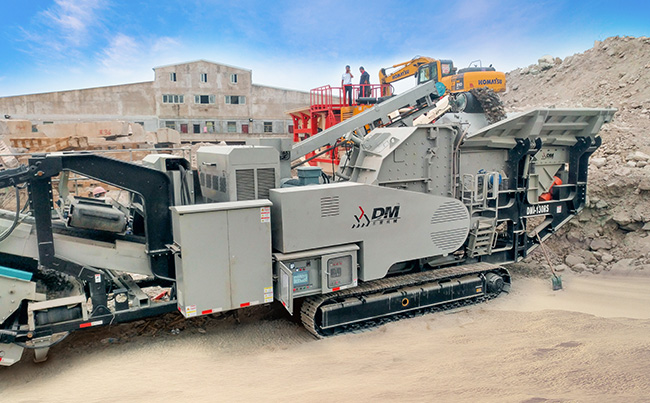
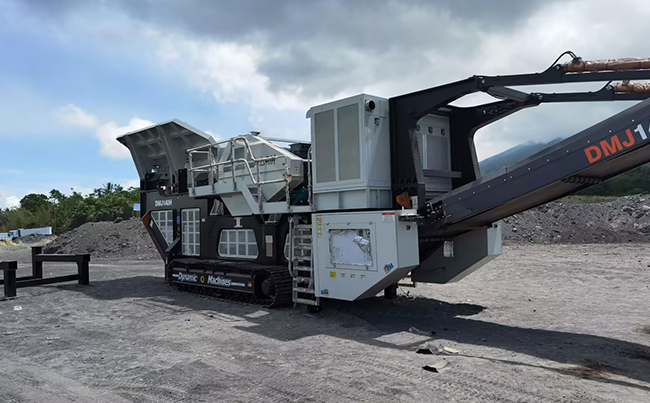
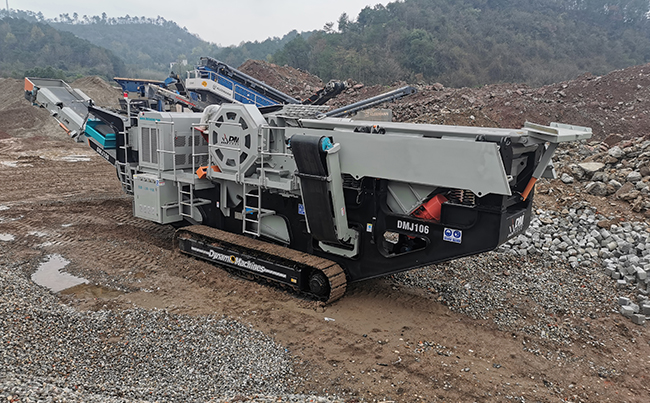
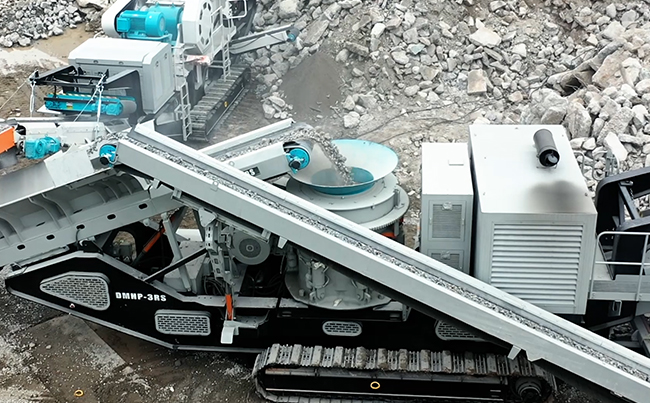
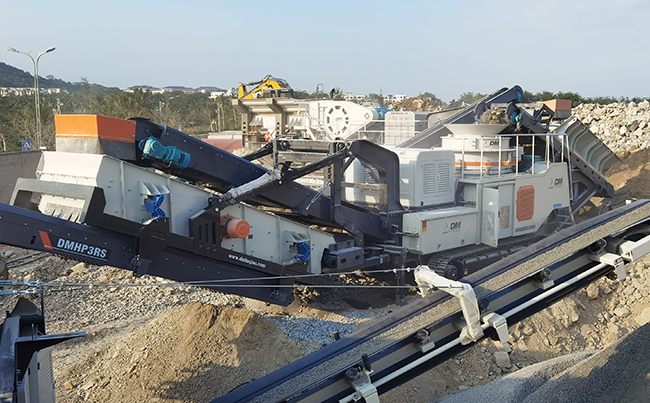
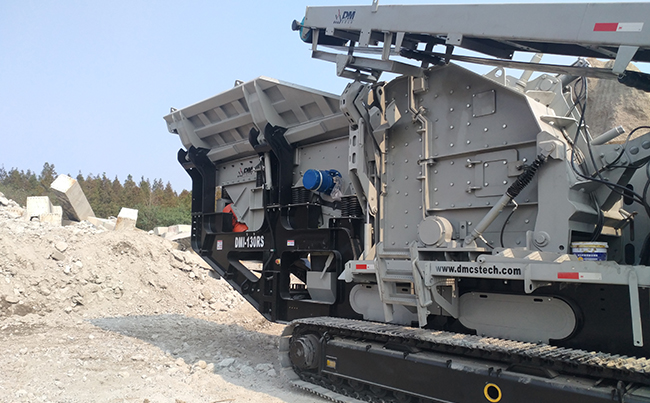
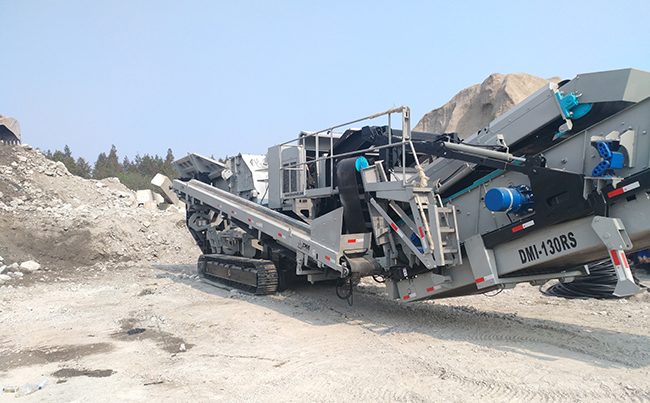
The tracked mobile cone crusher integrates the cone crushing host, hydraulic adjustment system, heavy-duty crawler chassis, onboard power unit, and centralized control cabinet into one self-contained unit. Its crawler travel system adopts reinforced engineering tracks, delivering strong climbing performance and ground pressure distribution that allows it to travel freely over mud, loose rock piles, slopes, and uneven excavation surfaces. It can be positioned right behind a tracked jaw crusher at the blasting face, forming a compact two-stage mobile crushing circuit without permanent civil works. Most modern units are equipped with a self-contained diesel generator package, removing dependence on external power grids, which is the decisive advantage for off-grid remote construction sites. The crushing cavity is optimized for medium and fine compression crushing. Operators can remotely adjust the closed-side discharge setting to precisely control product particle size, and the hydraulic clearing function quickly removes uncrushable tramp metal or oversize rock that causes chamber blockage, greatly lowering unplanned downtime. It can work independently or pair with a tracked screening machine to produce multiple finished aggregate fractions in one continuous flow.
Typical Application Scenarios for Tracked Mobile Cone Crusher
Mountain highway upgrading projects represent one of the largest application scenarios. Road builders need graded aggregates for base layers, subbase, and surface course along scattered construction sections. Instead of transporting all rock to a centralized fixed plant, crews move the tracked mobile cone crusher along the route, processing excavated bedrock and slope stripping material locally. This turns waste rock into usable pavement material instantly. Water conservancy and reservoir reinforcement projects also benefit significantly, as these sites are commonly deep in hilly areas with limited road access. Another important field is small and medium-sized remote quarries with short mining lifespans. Operators can rent or purchase tracked cone units to match their mining boundary expansion, moving the crusher as the quarry face advances instead of building multiple fixed crushing stations. It is also suitable for remote mineral pre-processing, where ores need preliminary size reduction before being sent to the main processing plant, cutting ore haulage tonnage.
Key Customer Benefits
The most immediate financial gain is slashed haulage expense. By crushing rock on location, customers eliminate round-trip transport of raw stone, which often accounts for 30% to 50% of total aggregate production cost in remote areas. The second benefit is flexible deployment across multiple sites. One tracked mobile cone crusher can serve three or four separate project locations in the same region in a single construction season. After finishing one contract, the crew can drive the unit to the next site without disassembly, avoiding heavy lifting and reinstallation labor. Product quality control also improves. Cone crushing produces well-graded, low-flakiness aggregates that meet international specifications for highway and hydraulic engineering, reducing rejection rates during third-party material testing. In addition, the whole machine has a compact footprint and does not require permanent foundations, so site restoration work after project completion is simple and meets local environmental protection requirements. Noise and dust suppression accessories can be fitted, helping contractors satisfy environmental assessment standards even in ecologically sensitive mountain zones.
Selection Logic for Tracked Mobile Cone Crusher
When selecting a suitable tracked mobile cone crusher, buyers must first confirm the maximum feed size, rock compressive strength, and target hourly throughput. Hard, highly abrasive rock such as basalt requires heavy-duty cone cavities and high-chrome wear liners, while softer limestone can use standard configurations. The matching relationship with the primary jaw crusher is critical: the cone crusher’s processing capacity must align with the jaw output to prevent surging or idle running. Buyers also need to choose between fully diesel self-powered versions and grid-power hybrid models. Hybrid designs are ideal if partial grid power is available to cut fuel consumption, while pure diesel units are mandatory for fully off-grid mountain sites. Track chassis grade should match the steepest slope on site; general models handle slopes up to 15 degrees, while reinforced heavy tracks suit slopes up to 25 degrees. It is wise to reserve space to add a side-discharge conveyor or onboard pre-screen module to remove fine dirt ahead of crushing and reduce liner wear.
Operation and Preventive Maintenance Guidelines
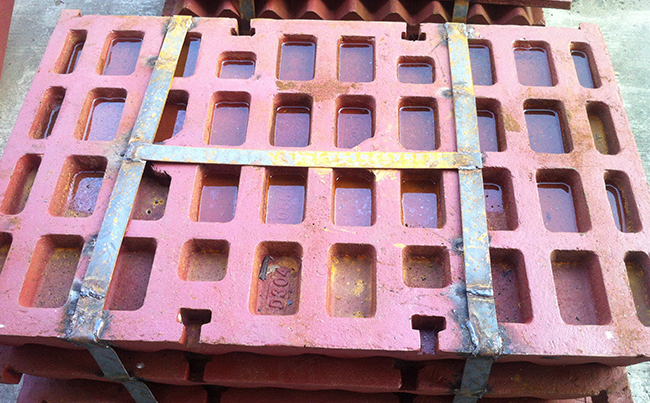
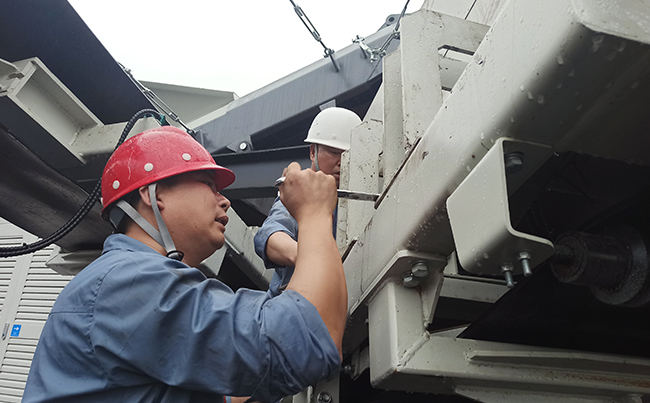
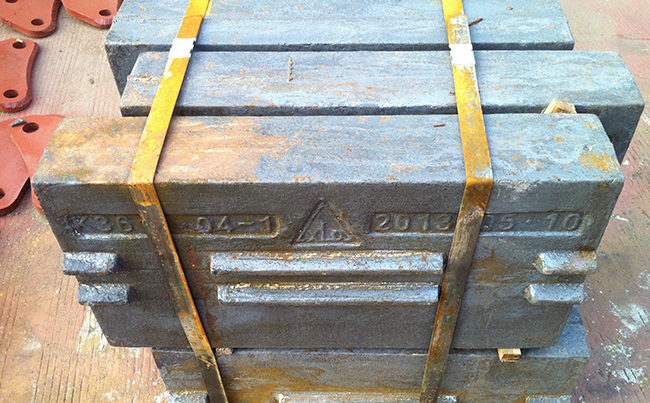
Daily operation starts with pre-start inspection of track tension, hydraulic oil level, lubrication oil circuit, and wear liner condition. Operators must keep feed material evenly distributed in the crushing cavity; chokefed operation delivers better particle shape than intermittent sparse feeding. Metal detection is strongly recommended upstream to capture steel reinforcement, drill bits, and other tramp metal that can severely damage the cone mantle and bowl liner. Lubrication maintenance is the heart of cone crusher reliability. Oil temperature, oil cleanliness, and filter status need regular checks, and contaminated lubricant must be replaced on schedule to avoid bearing failure. The crawler undercarriage needs routine cleaning to flush out rock fines and mud, which accelerate roller and track pad wear. Wear parts including mantles, concave liners, and arm guards should be stocked locally on remote sites, because long-distance spare part delivery can cause costly shutdowns. All operators should receive formal training on remote control functions, tramp release clearing, and emergency stop procedures.
ROI Calculation and Investment Tips
Many customers hesitate at first because the initial purchase price of a tracked mobile cone crusher is higher than stationary cone equipment of equal capacity. However, the full-cost accounting paints a different picture. Savings on foundation construction, conveyor installation, truck fuel, tire replacement, and transport labor quickly offset the capital expenditure. For a highway project consuming 120,000 tons of aggregate, the transport saving alone can recover most of the equipment investment within 8 to 14 months. Rental models are available for customers with only short-term demand, avoiding long-term asset ownership risk. Owners should compare not only base machine price but also after-sales service coverage, local spare part warehouses, and technician response speed, especially for remote regions where service travel time is long. A reputable supplier with regional service support will drastically reduce production downtime risk.
Conclusion
For remote, off-grid, temporary, and geographically dispersed crushing projects, the tracked mobile cone crusher is far more than a portable secondary crushing machine. It reshapes the entire aggregate supply model by moving the crushing process to the raw material source rather than moving raw material to a fixed plant. It resolves the core pain points of high hauling cost, power shortage, poor terrain adaptability, unstable aggregate shape, and wasted fixed infrastructure investment. When matched with a suitable primary jaw crusher and screening equipment, it forms a self-sufficient mobile crushing system capable of delivering consistent, specification-compliant fine aggregates for roads, reservoirs, and remote quarrying. With disciplined preventive maintenance and correct process configuration, this equipment delivers predictable production output and compelling long-term returns for engineering contractors and quarry operators working in hard-to-reach locations.
Latest Updates
Follow Us
Keeping crushing and screening equipment running worldwide.
Sign Up To Newsletter
Subscribe to get the latest parts news.
Post Comment