

Urban renewal and old-town demolition generate massive quantities of concrete blocks, bricks and asphalt waste. In the past, most construction contractors transported demolition debris to landfills. Long-distance hauling leads to extremely high logistics cost and erodes project profit. Transport restrictions, dust pollution and limited landfill quota bring extra troubles to construction teams. Aggregates processed by simple crushing often show poor particle shape with excessive flaky particles. These low-grade materials can only be sold cheaply as backfill instead of high-value raw materials for road base or precast concrete components. Many urban demolition sites have narrow working space, leaving no room for civil construction required by fixed crushing plants. Tracked mobile impact crusher integrates crushing and shaping functions on tracked chassis. It can drive directly into demolition sites to process construction waste on location, eliminating long-distance material transportation. The machine completes crushing and aggregate shaping in one pass to produce cubic high-grade recycled aggregates, delivering flexible on-site processing solution for construction waste recycling projects.

Key Pain Points in Construction Waste Recycling
Construction waste has complicated composition, mixing concrete, brick and asphalt with rebar and metal wires. Ordinary crushers often suffer hammer winding and blockage caused by embedded metal. Urban construction sites are compact and close to residential areas, with strict noise and dust limits. Fixed crushing stations need long civil construction cycle and cannot be put into operation quickly. Waste hauling cost keeps rising, while traffic restriction and night transport ban frequently delay project timeline. Recycled aggregates from basic crushing have bad particle shape, high flaky ratio and failed crushing value test, limiting market price and revenue. Demolition projects usually have short construction periods and scattered work locations. Fixed crushing equipment cannot be relocated and reused after project completion. Raw material hardness varies greatly between concrete and brick, making it hard to adjust machine parameters and maintain consistent finished product quality.
Solutions Provided by Tracked Mobile Impact Crusher
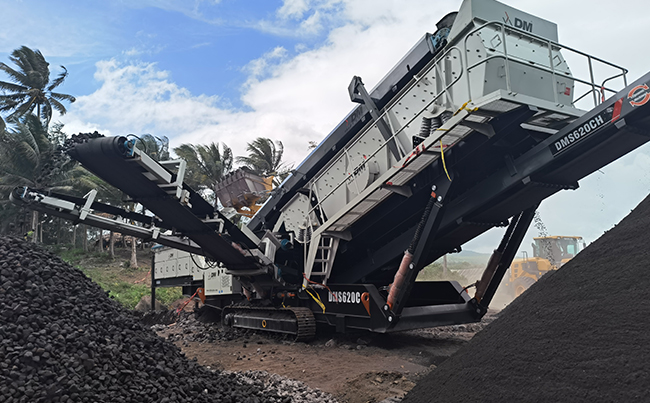
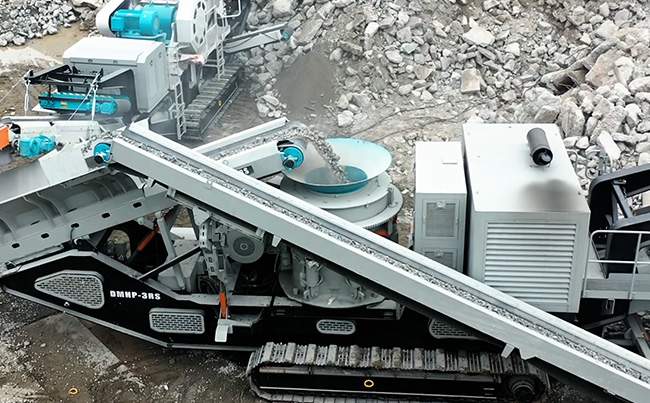
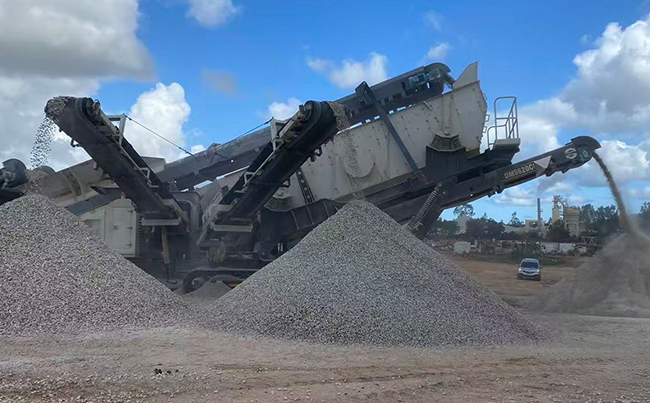
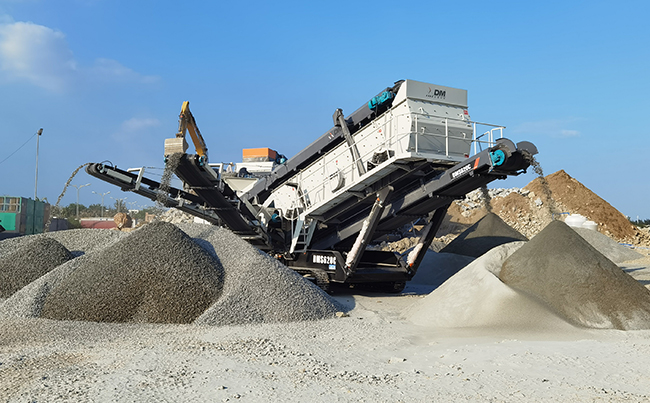
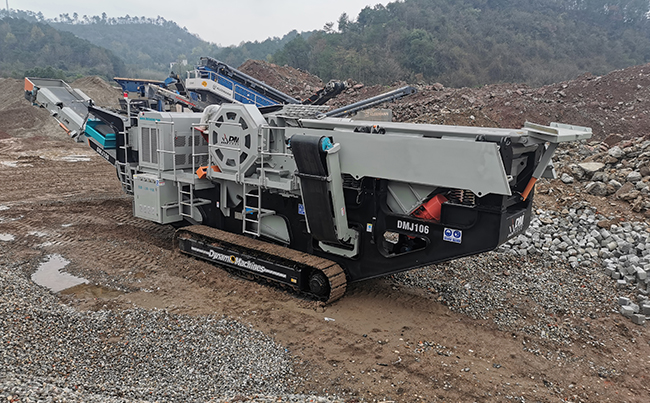
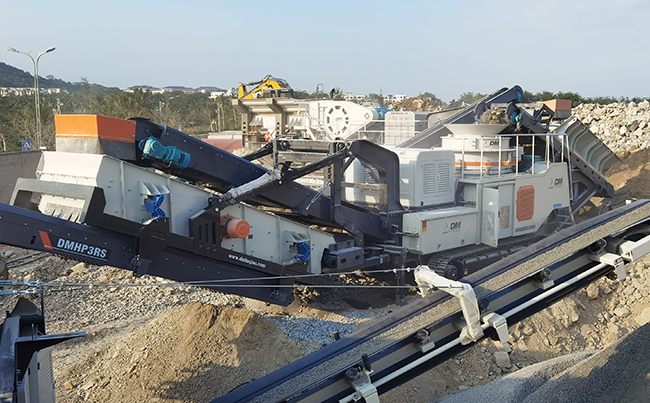
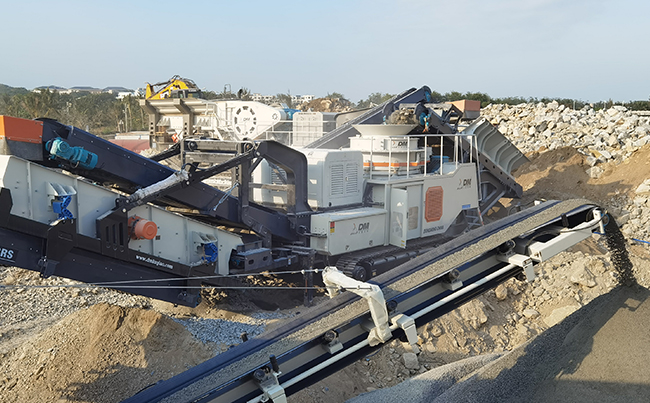
Tracked mobile impact crusher integrates impact crushing host, feeding system, magnetic separator and tracked walking chassis. The whole unit is delivered as one assembly. No heavy civil foundation pouring is required. Commissioning can be finished quickly after machine arrives on site. Low ground pressure tracked chassis allows the machine to travel freely on muddy and narrow demolition sites, and relocate to next project after finishing current task. Impact crushing principle produces aggregate by collision, achieving excellent particle shaping effect. Recycled aggregates processed from construction waste show high cubic proportion and low flaky content, meeting road recycled aggregate standards. Built-in magnetic separator removes steel rebar from concrete and protects crushing host from metal damage. Operators can adjust impact gap rapidly to change finished aggregate size and produce multiple target specifications as required. Matched sealed dust suppression and noise reduction components cut emission on site to comply with municipal environmental rules. The single machine can work independently, or combine with tracked mobile screening machine to build closed-loop mobile crushing and screening line for multi-grade finished aggregates.
Application Scenarios
Tracked mobile impact crusher mainly targets urban demolition waste recycling, old asphalt pavement rehabilitation, small road reconstruction and scattered construction solid waste treatment. It is ideal for projects with short timeline, limited site space and scattered working locations where fixed crushing plant is not feasible. In municipal road renovation, asphalt concrete milled from old pavement can be processed on-site into recycled road base material. During old building demolition, concrete waste is crushed into recycled aggregates for site backfill or permeable brick raw materials. For temporary small infrastructure projects in mountain areas with low stone demand and short mining cycle, tracked mobile impact crusher avoids civil investment and can move to new sites after project closure.
Customer Benefits
Using tracked mobile impact crusher to process waste on-site, contractors can drastically cut landfill and long-distance transportation expenditure for construction debris. Recycled aggregates with high quality can be sold as valuable construction materials instead of low-cost fill, lifting economic value of solid waste. Equipment can be commissioned rapidly without long civil construction, matching tight schedule of municipal projects. Tracked mobility supports deployment across multiple sites, improving asset utilization rate. Built-in dust and noise control reduces environmental violation risks and prevents shutdown caused by public complaints. Rebar separated by magnetic device can be sold as scrap steel to create extra revenue stream.
Equipment Selection Logic
Raw material type shall be evaluated first, distinguish concrete block, brick and asphalt mixture, measure maximum feed size and select matched machine model. Calculate hourly processing capacity and reserve margin to handle fluctuation of incoming material. Assess site condition, space size and ground bearing capacity to confirm passability for tracked machine. Clarify end use of recycled aggregates. If aggregates are used for road base, high particle shape standard is required and impact crusher solution is preferred. For simple volume reduction and backfill, selection standard can be relaxed. Auxiliary equipment can be added as needed. Tracked mobile screening machine is required if multi-size finished aggregates are needed. Check local environmental regulation and select dust and noise reduction kit. Choose diesel or electric drive; electric version is recommended for enclosed urban sites to lower operation cost. Verify after-sales service network and availability of wear parts including blow bars and impact liners.
Operation and Maintenance Guidelines
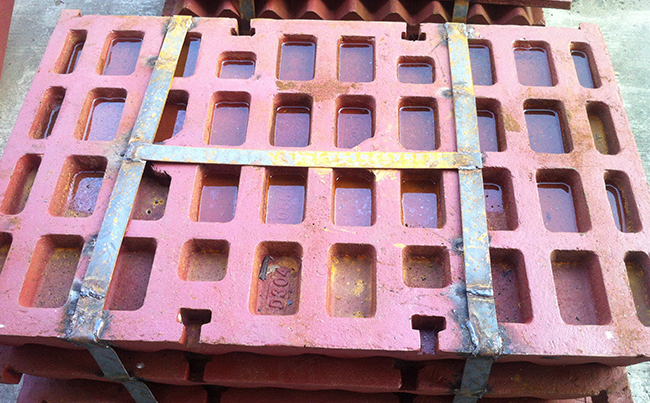
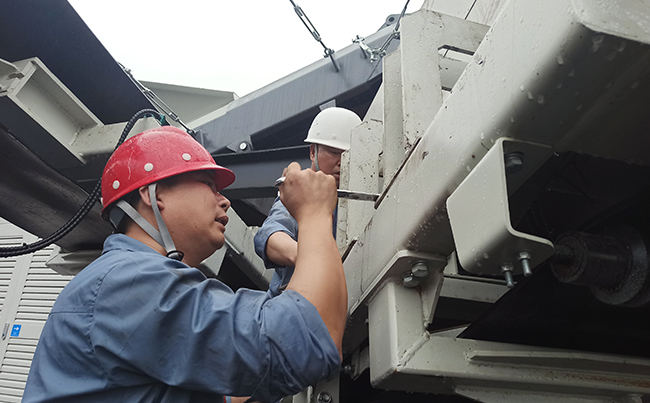
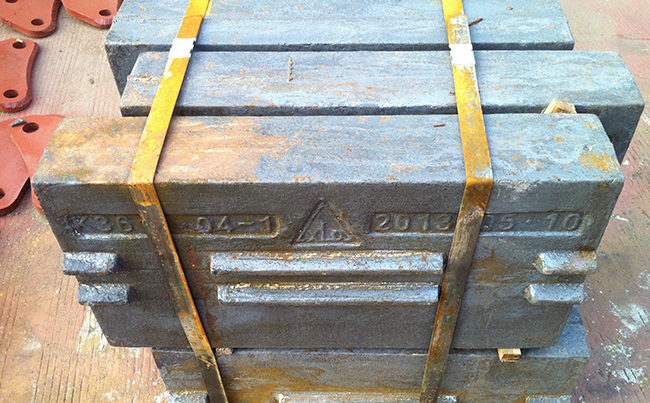
Tracked mobile impact crusher is integrated mobile equipment, maintenance covers crushing host, tracked chassis and power system. Before startup, clear debris from feeding hopper, inspect wear condition of magnetic separator, blow bars and impact liners, check hydraulic pipeline for leakage. Start machine under no-load status and feed material only after stable running. Large steel bars should be removed in advance to prevent metal entering crushing cavity. Monitor vibration, abnormal sound and oil temperature continuously during operation. Stop feeding immediately and shut down for inspection once anomaly is detected. Check track tension and travel motor regularly to avoid track derailment. Replace hydraulic oil and lubricant periodically to maintain power system. Blow bars and impact liners are consumable parts, record wear condition and replace timely to guarantee aggregate shaping performance. Before relocation, fasten all protective components and keep low moving speed. After finishing each project, clean residual materials thoroughly and store machine with rust protection.
Project ROI Analysis
Tracked mobile impact crusher has lower upfront purchase cost than complete fixed crushing plant, with no large civil foundation investment and short commissioning cycle. One machine can serve multiple construction sites repeatedly and improve asset reuse rate. Revenue comes from two parts: saved waste hauling and landfill cost, plus sales income of high-quality recycled aggregates. In municipal waste recycling projects, raw materials are often free of charge and sometimes disposal fee can be collected. Processed recycled aggregates are marketable with good gross margin. The disadvantage is higher unit processing cost than large fixed plants, so it is not suitable for long-term single-site mega-tonnage aggregate production. It fits short-cycle multi-location urban solid waste projects, and payback period can be controlled under reasonable working condition. Enterprises need to evaluate asset utilization rate and return based on project quantity and annual working hours.
Conclusion
Urban construction waste recycling projects are restricted by site limitation, environmental rules and tight timeline. Waste transportation and fixed crushing schemes both have obvious drawbacks. Tracked mobile impact crusher stands out with foundation-free installation, flexible relocation and integrated crushing & shaping capability. It processes demolition debris on site, improves recycled aggregate particle quality, cuts hauling cost and turns construction waste into valuable recycled materials. Proper raw material assessment, site survey and equipment selection at project preparation stage, together with strict daily maintenance, maximize machine performance, balance environmental compliance and economic return, and support successful delivery of municipal solid waste recycling projects.
Latest Updates
Follow Us
Keeping crushing and screening equipment running worldwide.
Sign Up To Newsletter
Subscribe to get the latest parts news.
Post Comment