

Road rehabilitation and asphalt recycling have become a core business for many road contractors across the world. Old asphalt pavement, commonly known as RAP, is generated in large quantities during milling work on highways, county roads and airport runways. Traditional construction workflows require crews to mill the asphalt, load it onto heavy dump trucks, haul the material to a distant fixed recycling plant, crush and reshape it, then ship qualified recycled aggregate back to the paving site. This repeated hauling brings a long list of costly headaches for contractors. Fuel expenses, road maintenance fees, truck rental and driver payroll eat deep into project profit margins. In addition, scheduling is easily disrupted by bad weather, highway weight restrictions and limited truck availability. Even after the material reaches a stationary plant, many older impact machines cannot deliver consistent cubic particle shape, so the recycled RAP aggregate often fails the grading standards required for new asphalt mixes. Delays in aggregate supply can push paving schedules back, trigger contract penalties and damage the contractor’s reputation with road authorities. A tracked mobile impact crusher addresses these pain points by bringing the crushing and shaping process directly to the milling zone on active road projects.

Core Problems Faced by RAP Recycling Contractors
The first and most obvious pain point is excessive haulage cost. For a typical highway resurfacing project that stretches dozens of kilometers, RAP piles are spread along the entire route. If all milled asphalt must travel to one fixed crushing station, the round-trip distance for each load can exceed 20 kilometers. Every ton of recycled aggregate carries extra transport overhead, and these costs scale rapidly on large-scale road schemes. The second challenge is inconsistent product quality. RAP contains aged bitumen, stone aggregates, dust and occasional brick or concrete contaminants. Ordinary crushing equipment tends to produce flat, elongated particles. Asphalt engineers reject poorly shaped aggregate because it reduces interlock within the asphalt layer, leading to premature rutting and cracking after the road opens to traffic. Third, many road projects are temporary and fast-moving. Milling crews advance several kilometers every week, which means the material source is constantly shifting. Fixed crushing plants cannot follow this moving work front, so contractors must constantly adjust hauling routes and coordinate logistics. Fourth, power access is unreliable along rural highway corridors. Most roadside locations lack stable three-phase grid power, making it difficult to deploy stationary crushing sets on site. Even when temporary power cables are installed, they create safety hazards for passing construction vehicles and road traffic. Finally, tight project deadlines leave almost no buffer for equipment breakdowns. If the recycling workflow stalls, paving teams sit idle, and daily labor and machine rental fees continue to accrue without progress.
How Tracked Mobile Impact Crusher Delivers On-Site Shaping
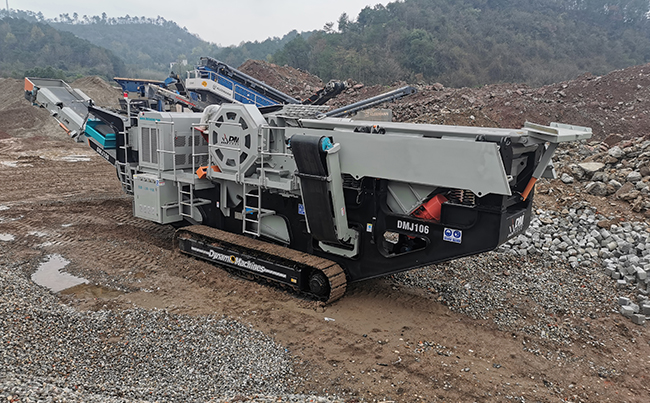
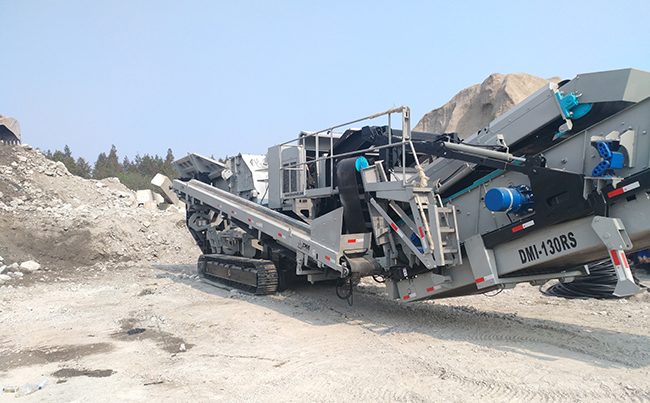
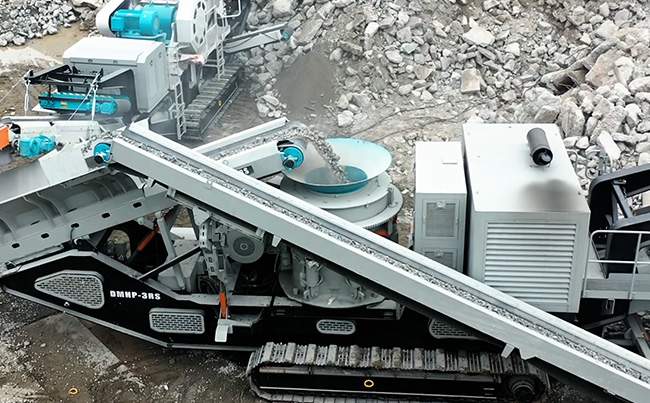
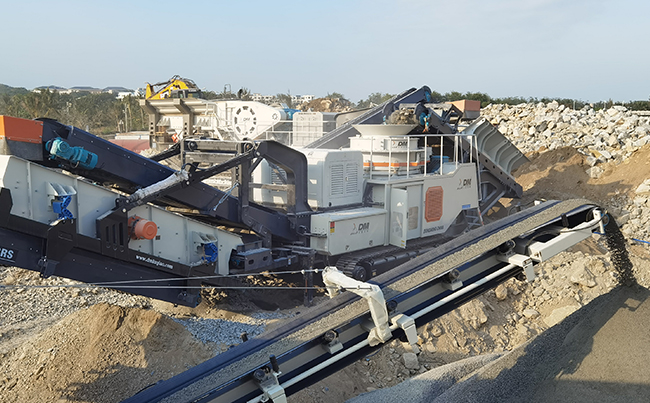
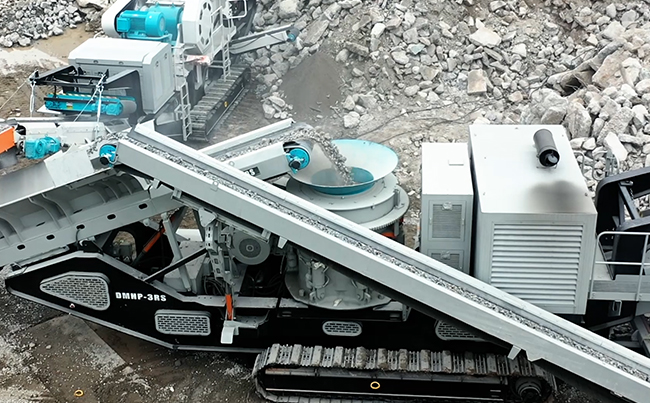
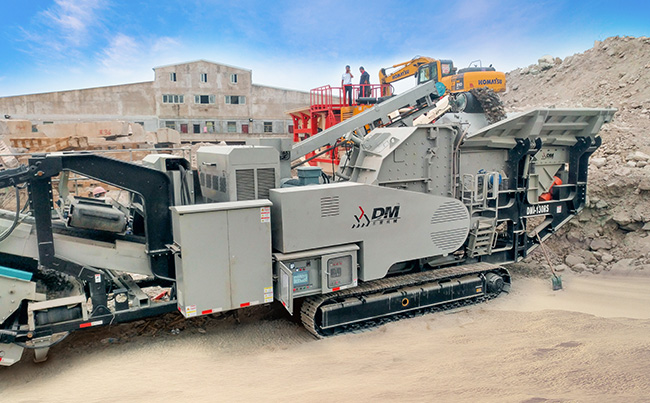
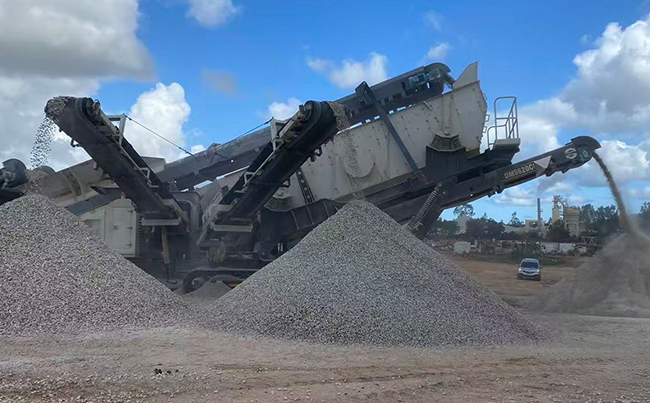
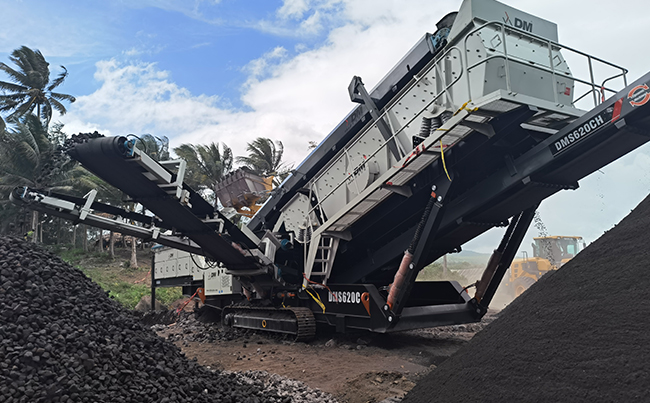
A tracked mobile impact crusher integrates the impact crushing chamber, vibrating feeder, magnetic separator, stacking conveyor, hydraulic drive and tracked undercarriage into one compact, self-propelled unit. The heavy-duty impact rotor and high-chrome blow bars are specially engineered to handle RAP, old concrete and mixed demolition debris. The tracked chassis provides excellent traction on uneven, muddy roadside ground, and wireless remote control lets operators drive the unit short distances between RAP stockpiles without disassembly. Built-in magnetic separators automatically pull out steel rebar, wire and metal fragments mixed into concrete and asphalt waste before it enters the crushing cavity, protecting the blow bars and impact liners from sudden damage. The adjustable impact aprons allow operators to tune particle shape and final gradation without halting production for long gasket changes. Many modern units support dual power operation: they can run on an onboard diesel engine in remote grid-free sections, or connect to temporary electric power when available, cutting fuel consumption during extended shifts. Once the milled asphalt is fed into the machine, finished cubic recycled aggregate discharges from the stacking conveyor directly into waiting paver trucks or local stockpiles. There is no need for long-distance transport of raw RAP, and the contractor can produce aggregate that meets asphalt mix specifications right beside the road. For larger projects, the tracked mobile impact crusher can work alongside a tracked mobile screening machine to create a closed-loop recycling circuit. Oversized material from the screener returns to the impact crusher for reprocessing until the target size and shape are achieved.
Suitable Application Scenarios
The primary application is highway and arterial road rehabilitation projects that generate large volumes of RAP. Many national transport departments now mandate recycled asphalt content in new surface courses, which makes on-site RAP shaping a competitive advantage for bidding contractors. Second, urban road renewal and municipal street reconstruction work, where space is extremely limited. Urban demolition and road milling sites are often surrounded by buildings, narrow streets and active traffic. A compact tracked mobile impact crusher fits into small work zones and avoids the noise and dust impacts that come from transporting waste through residential neighborhoods. Third, temporary construction camps for remote infrastructure such as rural bridges, forest roads and mine access roads. These sites rarely have permanent crushing facilities, and bringing aggregate in from outside quarries is prohibitively expensive. Fourth, mixed construction waste recycling at demolition yards that frequently change layout and material sources. Unlike stationary impact crushers bolted to concrete foundations, tracked models can relocate within a yard in a few hours as waste piles shift. It is important to note that this machine is optimized for secondary crushing and shaping; it is not designed for very large block raw rock that requires primary jaw crushing first. Contractors processing hard blasted rock should pair it with a tracked mobile jaw crusher for the primary reduction stage.
Tangible Benefits for Road Contractors
The biggest financial benefit is the dramatic reduction in haulage cost. Many operators report cutting trucking expenditure by 30% to 50% after switching to on-site RAP crushing. Less truck movement also lowers traffic accidents, reduces road wear and cuts carbon emissions, which helps contractors satisfy environmental audit requirements for government-funded road contracts. Second, production speed improves significantly. Recycled aggregate is available immediately after milling, so paving operations can run continuously instead of waiting on deliveries from off-site plants. This helps teams hit tight milestone dates and avoid liquidated damages. Third, product quality becomes controllable. Operators can adjust the crusher settings on demand to match the gradation requirements from the asphalt lab, producing well-formed cubic aggregate that passes road authority inspection consistently. Reliable quality also helps contractors win repeat government road contracts. Fourth, asset flexibility increases. When one road project finishes, the tracked mobile impact crusher can be loaded onto a low-bed trailer and transported to the next job site quickly. It can also be rented out to other contractors during idle periods, improving overall equipment utilization and shortening ROI cycles. Fifth, site preparation requirements are minimal. No concrete foundation, heavy steel support frame or permanent conveyor installation is required. Crews can start crushing within a few hours after the machine arrives on location.
Selection Logic for Tracked Mobile Impact Crusher
Contractors should first evaluate the main feed material. If most feed is RAP and broken concrete with low to medium hardness, an impact configuration is ideal. If the feed includes high-hardness granite or basalt blocks, a jaw pre-crushing stage is mandatory to prevent premature blow bar wear. Second, confirm target hourly throughput. Overbuying a machine with excess capacity wastes capital and fuel, while an under-sized unit will become a bottleneck that limits paving speed. Third, review power conditions on typical job sites. Contractors working mostly in remote rural areas should prioritize models with a powerful onboard diesel engine and efficient hydraulic system. Those who often have temporary grid power access can choose dual-power versions to reduce running costs. Fourth, pay close attention to wear part design. High-chromium alloy blow bars and thick impact plates extend service life when processing abrasive RAP mixed with rock dust. It is also wise to confirm spare part availability from the supplier, because delayed delivery of blow bars can shut down an entire recycling workflow on active road projects. Fifth, check auxiliary configuration. An integrated metal separator and pre-screening feeder are highly recommended. Pre-screening removes fine dust before crushing, reduces wear and improves the stability of final gradation.
Operation and Preventive Maintenance Guidelines
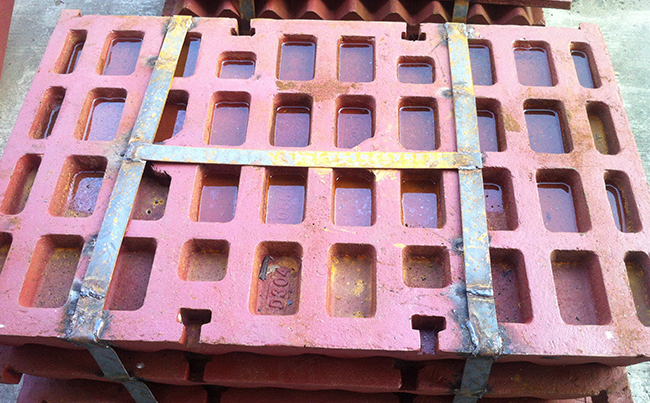
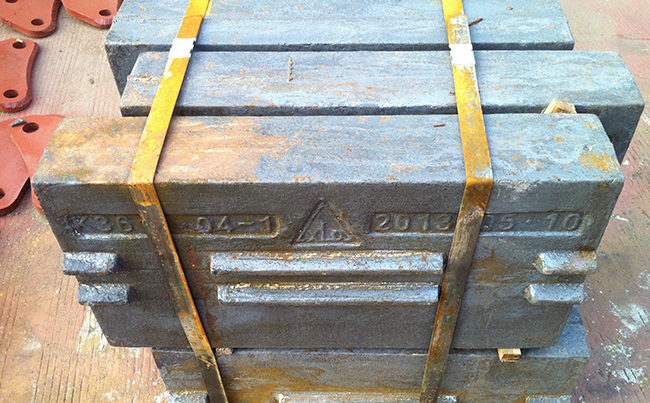
Daily maintenance determines uptime and total operating cost for a tracked mobile impact crusher. Before every shift, operators must inspect blow bars, impact aprons and liner plates for cracking, thinning or loose fasteners. Worn blow bars are the most common failure point, and waiting until they break can cause severe rotor damage. The magnetic separator should be cleaned regularly to remove accumulated steel scraps that reduce separation efficiency. The tracked undercarriage needs frequent inspection of track tension, rollers and idlers, especially when working on muddy roadside ground. Too-loose tracks can derail, while over-tensioned tracks accelerate wear and raise fuel consumption. Hydraulic oil levels, filters and cooler surfaces must be checked each day; clogged coolers cause overheating and automatic shutdown during hot weather. Feeding should be kept uniform and centered on the crushing chamber. Surges of oversized material or lumpy RAP can trigger overload protection and stop production. Operators should avoid feeding wet, sticky material for long stretches, as buildup inside the cavity will reduce crushing efficiency and block discharge points. A formal maintenance log should record operating hours, wear part replacement dates, oil changes and breakdown events. This log helps predict service cycles and prevents unexpected failures in the middle of critical road paving work.
ROI and Risk Control
The upfront purchase price of a tracked mobile impact crusher is higher than a standalone stationary impact crusher, but the full cost picture must include foundation work, conveyor installation and ongoing hauling fees. For contractors who run three or more major road recycling projects each year, the payback period often falls between 12 and 24 months. The primary risks are incorrect model selection and poor wear part management. Some buyers select impact crushers for high-abrasion hard rock without pre-crushing, leading to extremely frequent blow bar replacement and inflated operating cost. Another risk is overloading the machine to chase higher output, which accelerates fatigue failure on the rotor assembly. Transport risks also require attention: many tracked crushers exceed standard road transport dimensions, so contractors must apply for special hauling permits before moving between regions. To mitigate these risks, buyers should run a material test with the supplier before purchase, set clear daily throughput limits for operators, and maintain a small stock of critical spare wear parts at the workshop or on the service truck.
In summary, RAP recycling and road rehabilitation projects face unique constraints from shifting work zones, expensive raw material hauling and strict aggregate shape standards. A tracked mobile impact crusher eliminates the need to transport milled asphalt to distant recycling plants and delivers consistent cubic recycled aggregate directly beside active paving fronts. When paired with proper pre-screening, metal separation and routine preventive maintenance, this equipment stabilizes product quality, cuts logistics expense, speeds up construction timelines and improves overall profitability for road contractors. For companies bidding regularly on government highway and municipal road projects, adding a reliable tracked mobile impact crusher to the equipment fleet creates a strong competitive edge in a market that increasingly prioritizes low-cost, low-emission recycled aggregate solutions.
Latest Updates
Follow Us
Keeping crushing and screening equipment running worldwide.
Sign Up To Newsletter
Subscribe to get the latest parts news.
Post Comment