

Construction waste recycling and limestone aggregate production are facing stricter quality supervision across many regions. Recycled aggregates used for road base, permeable brick and ready-mix concrete must meet strict cubical particle requirements, yet many fixed recycling plants struggle with irregular flaky grains, excessive fine powder and unstable finished product quality. Traditional jaw crushing alone cannot reshape rock effectively, while outdated impact equipment suffers from short blow bar life, frequent blockages and large fluctuations in discharge gradation. A well-designed fixed impact crusher is built specifically for secondary shaping and medium crushing of medium-hard rock, limestone, concrete blocks and brick waste. It forms the core shaping station in fixed recycling lines, turning low-value crushed waste into marketable graded aggregates and helping recycling operators stabilize product quality, expand sales channels and reduce unit production costs. For investors running permanent waste recycling bases and limestone quarries, upgrading the shaping section with a reliable fixed impact crusher is a practical way to lift product value and enhance market competitiveness.

Common Pain Points in Fixed Recycling and Limestone Production Lines
The first major headache is poor particle shape of finished aggregates. Jaw crushers break rock by compression, so many flat, elongated particles remain after primary crushing. These particles fail inspection for asphalt base and high-grade recycled concrete, which means operators can only sell the material at a discounted price for low-standard backfill. The second pain point is inconsistent gradation and excess fines. Older impact crushers have unreasonable impact cavity structure; when processing wet, clay-mixed construction waste, screen blinding and over-crushing often happen, creating too much dust and fine powder that cannot be sold as qualified aggregate. Third, rapid wear of blow bars and frequent downtime. Many low-cost impact models use simple rotor structures and ordinary wear-resistant materials. When processing mixed concrete waste with rebar fragments, blow bars wear out quickly, requiring frequent replacement and long production stops. Fourth, poor adaptability to mixed incoming materials. Construction waste usually mixes concrete, red brick, soil, plastic and wood debris. Traditional crushing equipment either clogs easily or produces uneven discharge size, making downstream screening work extremely difficult. Fifth, low energy efficiency and high power consumption. Outdated rotor designs waste kinetic energy, and the power cost per ton of finished aggregate stays high, squeezing profit margins when aggregate market prices fluctuate. Sixth, difficult environmental control. Unoptimized impact chambers produce heavy dust during crushing, and without matched closed dust suppression, plants face frequent inspection penalties and production shutdown risks.
How Fixed Impact Crusher Improves Aggregate Quality and Stability
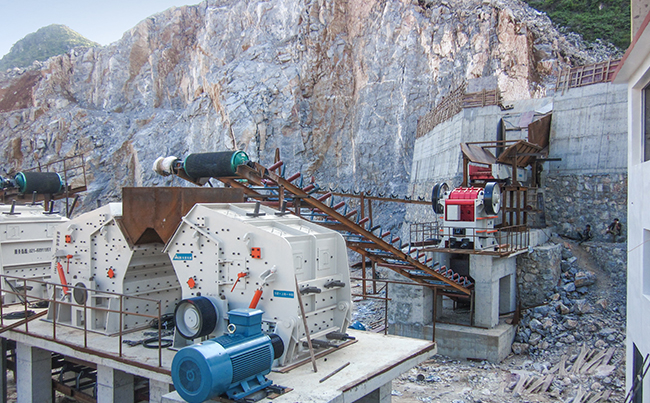
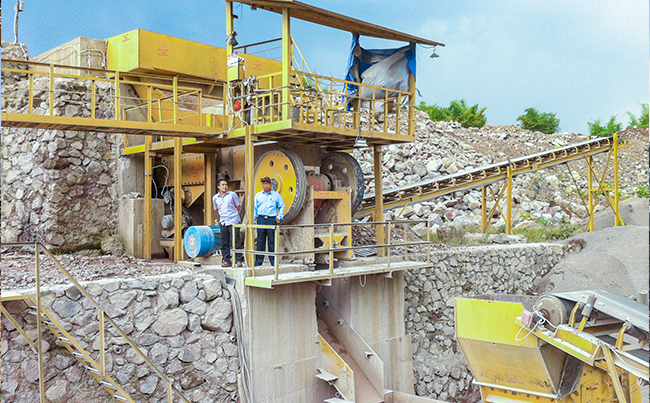
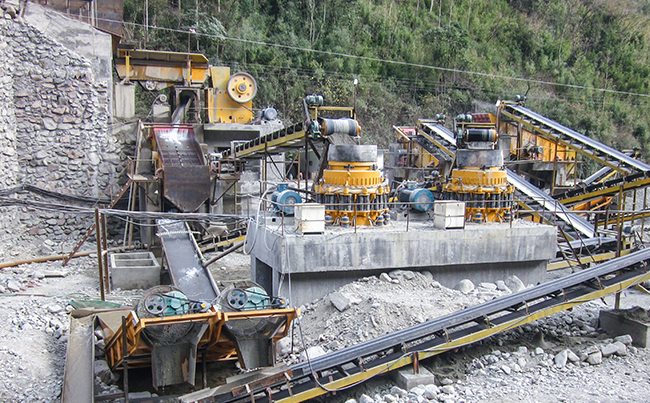
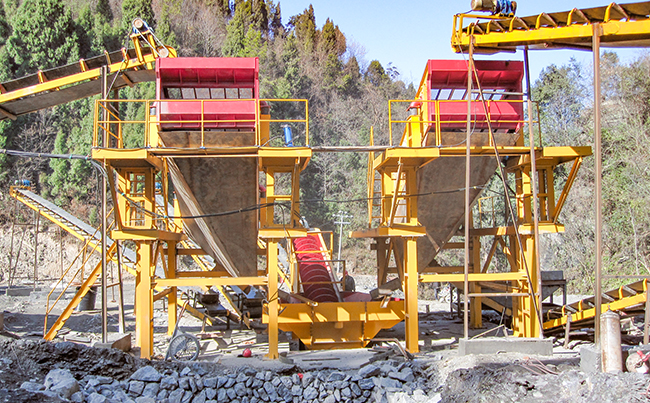
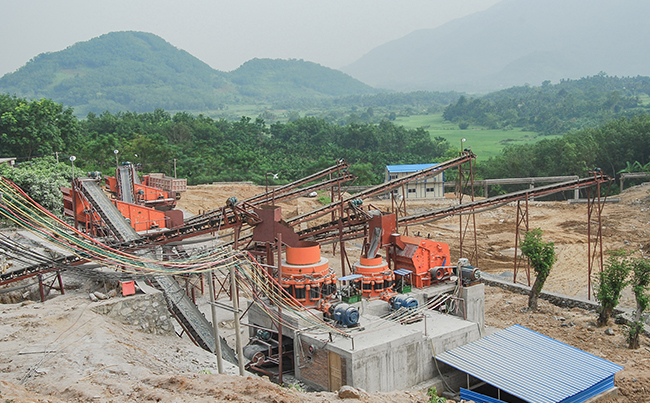
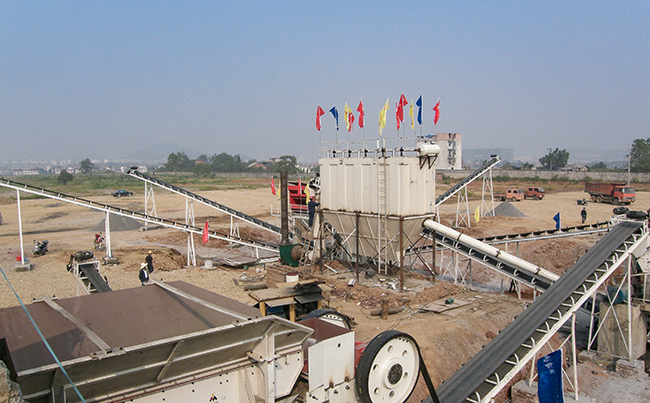
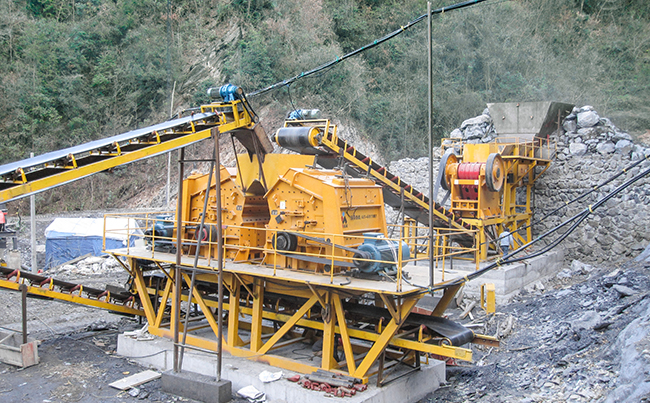
A heavy-duty fixed impact crusher adopts a multi-curtain impact crushing chamber and balanced rotor assembly, relying on repeated impact and rock-on-rock crushing principle to reshape materials. When rock or concrete fragments hit the impact plate and collide against each other, sharp edges and flaky parts are broken off, and the final finished grains become cubical, which perfectly satisfies the technical specifications of recycled aggregates for roads and building materials. The adjustable gap between impact plate and rotor allows operators to flexibly control discharge size, so the same machine can produce multiple aggregate grades from 5mm to 31.5mm according to order requirements. The rotor is equipped with high-chromium alloy blow bars, which greatly extend service life when crushing limestone and clean concrete waste. Built-in tramp iron protection reduces the risk of rotor damage when small steel bars enter the cavity accidentally. Different from mobile impact crushers that prioritize flexible transfer, the fixed impact crusher is installed on a reinforced concrete foundation, with stable vibration, high continuous throughput and convenient connection with fixed feeding, conveying, dust removal and screening systems. It works perfectly after fixed jaw crusher in the production line: the jaw handles primary coarse crushing, and the fixed impact crusher takes charge of secondary shaping, forming a stable two-stage crushing layout for long-term continuous recycling production. For limestone aggregate lines, this configuration can replace part of cone crushing workload and cut the overall investment of the production line.
Typical Application Scenarios for Fixed Impact Crusher
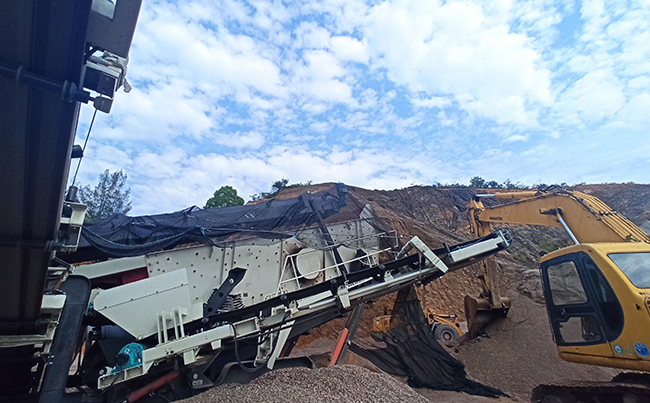
The primary application is large permanent construction waste recycling bases near cities. These sites receive stable daily deliveries of demolition waste and operate year-round; they need fixed shaping equipment with high capacity and stable quality output to supply local brick factories, road projects and backfill projects. Second, limestone and dolomite quarries producing aggregate for cement plants and highway base layers. Limestone has medium hardness, and impact crushing delivers excellent shaping effect with lower wear cost compared with cone crushers. Third, fixed sand making auxiliary production lines, where the impact crusher processes medium stone to produce machine-made sand with good grain shape. Fourth, solid waste treatment centers for industrial stone scraps and stone carving waste. A large amount of slab waste from stone factories can be crushed and reshaped by fixed impact crushers into usable graded aggregate. It is important to clarify the boundary of application: fixed impact crushers are not suitable for high-abrasive hard rock such as basalt and quartzite, because blow bar consumption will surge rapidly. For these hard rock materials, fixed cone crushers are a more reasonable choice. Besides, this equipment is designed for fixed sites; if the raw material source is scattered and the processing point changes frequently, tracked mobile impact crusher will be more suitable.
Direct Economic and Quality Benefits
The most obvious benefit is higher product selling price. Cubical qualified recycled aggregate can be sold at a much higher price than irregular unshaped material, which directly lifts the revenue per ton of processed waste. Many recycling customers find that after adding a standard fixed impact shaping station, their product can enter the commercial concrete supply chain instead of only being used for simple backfilling. Second, stable gradation reduces the rejection rate. Consistent discharge size brings stable feeding conditions for the follow-up fixed screening machine, so the screening efficiency rises and mixed-grade finished products decrease. Third, controllable wear and maintenance cost. Under continuous operation, high-quality fixed impact crushers have predictable wear cycles for blow bars and impact plates, and spare part consumption can be included in regular operation budget. Fourth, easy environmental protection upgrade. The fixed installation space can be fully enclosed with dust hoods and connected to centralized dust collectors; noise reduction measures such as shock absorption foundation and sound insulation wall can be deployed conveniently to meet local environmental standards. Fifth, stable daily throughput. Without frequent relocation and disassembly, the fixed impact crushing station can maintain scheduled output for months, which helps plant managers sign long-term supply contracts with downstream customers and lock stable order sources.
Key Selection Logic for Fixed Impact Crusher
When selecting a fixed impact crusher, the first factor is material type and hardness. Confirm whether the main feed is limestone, concrete waste or brick waste. If the feed contains lots of hard abrasive rock, do not choose impact crushing as the main shaping equipment. Second, match the designed hourly capacity with the upstream jaw crusher and downstream screening system. If the impact crusher capacity is too small, it will become the bottleneck of the whole recycling line; oversized models will lead to idle investment and increased power consumption. Third, check the rotor and wear part configuration. For construction waste mixed with steel, choose thick high-chromium blow bars and reliable iron removal equipment such as magnetic separator before feeding. Fourth, consider moisture and stickiness of materials. If the incoming waste carries high moisture and mud, select models with wide feeding opening and anti-blocking cavity structure, and add pre-screening to remove fine soil in advance. Fifth, reserve enough maintenance space around the machine. Blow bar replacement and rotor inspection need lifting space, and compact layout will greatly extend maintenance time. Sixth, verify the supplier’s local after-sales service and blow bar supply cycle. Stable supply of wear parts is the guarantee to avoid long shutdown once vulnerable parts are worn out.
Operation and Preventive Maintenance Specifications
Standardized maintenance determines uptime and service life of a fixed impact crusher. Before each shift, operators should check the fastening status of impact plates, blow bar fixing bolts and foundation anchor bolts. Loose bolts will cause violent vibration and rotor damage during operation. Inspect the lubrication system of the rotor bearing regularly, replace lubricating grease according to the schedule, and strictly prohibit running the machine with overheated bearings. Monitor the material feeding condition and avoid feeding oversized rock and metal debris continuously. Even with tramp iron protection, frequent metal entering the cavity will accelerate blow bar damage. Observe the particle shape of finished aggregate during operation. If flaky particles increase obviously, it usually means blow bars are worn flat or the impact plate gap is too large; operators should stop the machine to adjust clearance or replace wear parts in time. Clean the dust accumulated on the rotor and frame regularly, because thick dust will affect heat dissipation and accelerate component aging. Check the connected magnetic separator, chute and belt conveyor every week to prevent material accumulation and blockage. Establish a complete operation log to record running hours, blow bar replacement time, power consumption and fault records, which helps predict maintenance nodes and arrange spare part purchasing in advance.
ROI Calculation and Risk Avoidance
Compared with mobile impact crushing units, the fixed impact crusher scheme needs investment in concrete foundation, steel support structure, dust removal system and fixed conveying equipment, so the upfront capital expenditure is higher. But for permanent recycling plants running more than 300 working days a year, the advantages of low wear cost and high stability become prominent. For a recycling line with 200 tons per hour capacity, the income increase from upgraded aggregate quality plus the saving of frequent transfer cost can shorten the payback period to 20–32 months in most regions. The main risks to avoid are mismatched upstream and downstream capacity, using impact crushers to process high-hardness abrasive rock, purchasing low-cost inferior blow bars and ignoring dust removal supporting facilities. Many customers select the right model but suffer continuous failures because they cut corners on wear-resistant parts. Operators should compile operation manuals for on-site workers and carry out regular safety training. It is also recommended to reserve a set of spare blow bars and impact plates in the warehouse to cope with sudden wear during peak production seasons.
In summary, the fixed impact crusher is the core shaping equipment for permanent construction waste recycling bases and limestone aggregate plants. It solves the core pain points of poor particle shape, unstable gradation, high product rejection rate and short wear part life in medium crushing and shaping links. When properly matched with fixed jaw crusher, magnetic separation, screening and dust suppression equipment, and maintained according to standardized schedules, it can steadily produce cubical recycled aggregate and limestone aggregate that meet engineering standards. For recycling plant operators and limestone quarry investors pursuing long-term stable sales and higher product added value, a well-configured fixed impact crusher is a reliable asset to realize green recycling and sustainable profit growth.
Latest Updates
Follow Us
Keeping crushing and screening equipment running worldwide.
Sign Up To Newsletter
Subscribe to get the latest parts news.
Post Comment