

Aggregate grading accuracy is one of the core factors deciding concrete strength and finished product qualification rate for concrete batching plants and permanent aggregate processing factories. Many large aggregate production lines invest heavily in crushing hosts, conveyors and feeding systems, while ignoring the importance of screening links. Once the grading of sand and stone aggregate is out of tolerance, the batching plant cannot produce concrete that meets design strength requirements. Unqualified aggregate will lead to concrete segregation, unstable slump value, and even rejection by construction supervisors. A large number of batching plant managers are troubled by frequent screen blocking, mixed material crossing between different particle sizes, unstable screening output and high manual cleaning workload. The fixed screening machine, configured reasonably and matched with the whole crushing line, is the key equipment to stabilize aggregate grading and realize standardized aggregate classification in permanent aggregate plants and concrete batching stations.

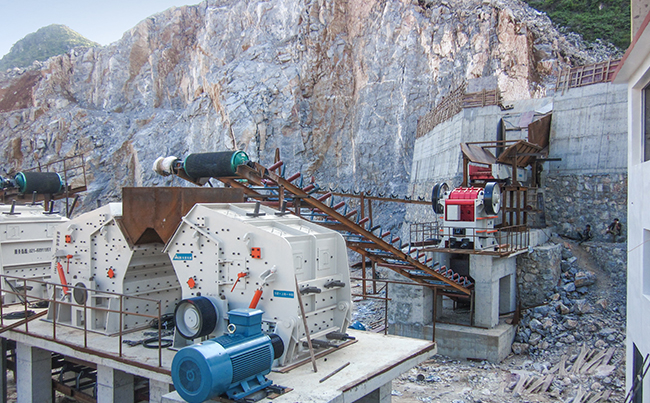
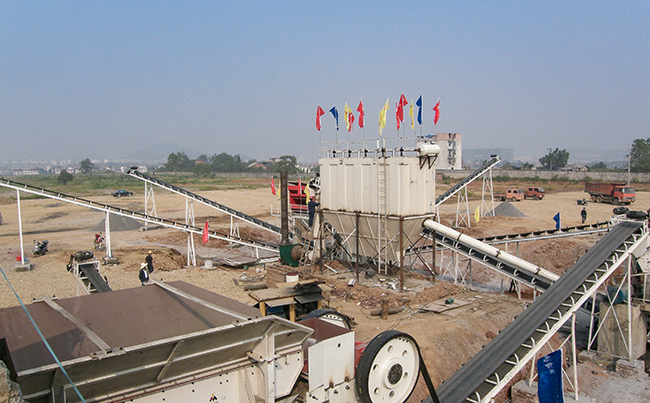
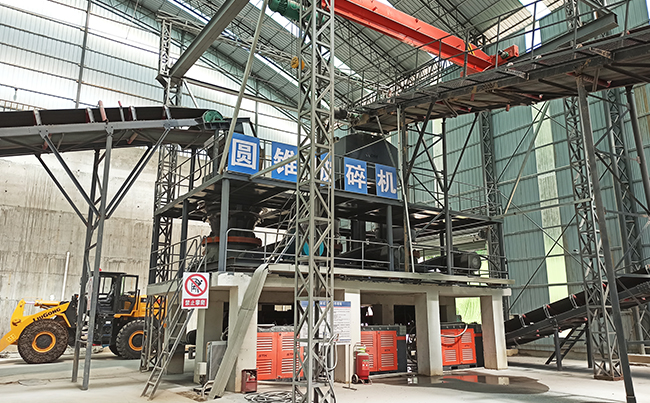
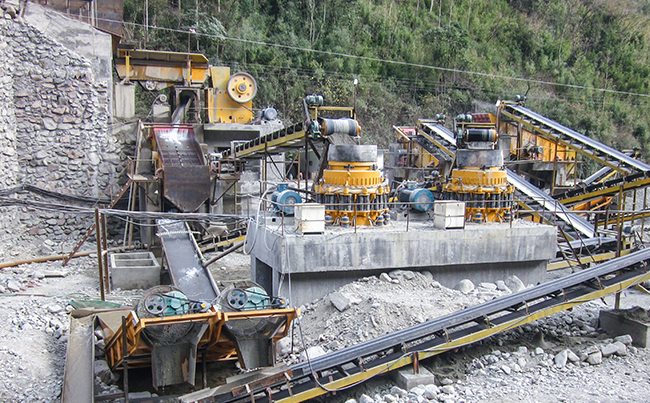
Different from mobile screening machines designed for frequent site transfer, fixed screening machines are developed for long-term continuous operation at fixed production workshops. They are installed on reinforced concrete foundations, connected with fixed belt conveyors, and form a closed production loop with upstream crushers and downstream aggregate silos. In the whole aggregate processing workflow, screening equipment undertakes classification, de-dusting and impurity removal tasks. After crushed materials come out from cone or impact crushers, they enter the fixed screening machine, and are separated into multiple particle size fractions such as 0-5mm sand, 5-10mm, 10-20mm and 20-31.5mm aggregate. Each fraction is delivered to independent finished product silos for concrete batching. If the screening link fails to work steadily, all the previous crushing work loses value, which is a common hidden bottleneck ignored by many plant owners.
Main Pain Points of Screening Operation in Batching Plants
The first universal pain point is unstable grading and cross-material pollution. When the screen mesh is deformed, tension is uneven or the vibration amplitude is unreasonable, materials of different sizes will mix with each other. For example, oversize coarse particles enter fine aggregate silos, or excessive fine powder mixes into medium aggregate. When such mixed aggregate is sent to concrete batching, the water demand of concrete changes constantly, making it hard for batching workers to adjust admixture dosage, and the consistency of commercial concrete cannot be guaranteed. The second pain point is frequent screen blockage. Sticky wet clay, mud and fine stone powder easily stick on screen apertures, especially in rainy seasons. Blocked screens reduce effective screening area, drop production capacity sharply, and require workers to stop the whole line for manual cleaning, bringing huge production loss.
Third pain point is short service life of screen mesh and frequent replacement shutdown. Many low-performance screens use thin mesh plates with poor wear resistance. Under continuous impact of hard aggregate, the mesh breaks quickly. Replacing screen meshes repeatedly needs production halt and consumes plenty of labor time. Fourth pain point is low screening efficiency. Improper screen inclination angle, unreasonable vibration frequency or insufficient excitation force will lead materials to slide too fast on the screen surface. Fine particles cannot pass through mesh holes completely, resulting in high content of unqualified fine materials in coarse aggregate. Fifth pain point is high vibration transmission. Poorly designed screening machines transfer strong vibration to surrounding structures, belt conveyors and silo supports. Long-term vibration loosens bolts, cracks conveyor frames and accelerates fatigue damage of workshop buildings. These problems continuously raise operation cost and quality risk of concrete batching plants.
How Fixed Screening Machine Optimizes Aggregate Grading
The fixed screening machine adopts heavy vibration exciter as power source, which provides stable and adjustable vibration frequency and amplitude. Engineers can set proper vibration parameters according to raw material moisture, hardness and handling capacity. Multi-layer screen structure is widely used. Each layer is equipped with independent screen mesh for different particle classification requirements. The upper layer separates large oversized particles which will be sent back to the crusher for re-crushing, and lower layers classify qualified aggregate into target specifications. High-quality polyurethane screen meshes or high manganese steel meshes are optional. Polyurethane mesh has anti-blocking performance, good elasticity and wear resistance, which greatly reduces sticking of wet and sticky materials. High manganese steel mesh suits high-hardness, high-abrasion granite and basalt aggregate with strong impact resistance.
The whole machine is equipped with spring vibration isolation devices between screen box and base foundation. The isolation springs absorb most vibration energy, reducing vibration transfer to concrete foundation and adjacent equipment. It avoids bolt loosening and structural fatigue damage effectively. The feeding box of fixed screening machine is designed with buffer structure, which disperses the impact force when materials fall down from upstream conveyor. Uniform feeding on the full width of screen surface prevents local material accumulation, and improves the utilization rate of the whole screen deck. It can be equipped with automatic spray water washing system for washed aggregate production lines. Water sprays wash mud and powder on stone surface during screening, to get clean aggregate suitable for high-strength concrete and high-performance asphalt mixture.
The fixed screening machine can be linked with the central PLC control system of the whole aggregate line. The system monitors vibration current, material thickness on screen surface, and motor temperature in real time. When material stacking or abnormal temperature is detected, the system sends early warning signals, and can adjust upstream feeding speed automatically to prevent screen overload and blockage. For large batching plants with multiple aggregate specifications, multiple fixed screening machines can be combined in series or parallel to realize multi-stage classification and meet complex grading requirements of commercial concrete, high-speed pavement concrete and precast component production.
Application Scenarios
The primary application scenario is permanent aggregate production lines matched with large commercial concrete batching plants. These aggregate factories run all year round, with stable daily output and fixed site layout. They need screening equipment with high continuous operation capacity and stable grading performance. The second scenario is fixed sand and aggregate processing bases for large infrastructure projects, including highway, high-speed railway, bridge and water conservancy projects. These engineering projects have strict aggregate grading standards issued by technical specifications, and fixed screening machines can maintain stable classification quality for long-term mass production.
The third scenario is manufactured sand production line. Manufactured sand contains high content of stone powder. The fixed screening machine with powder removal function can separate excess stone powder to control the fineness modulus of manufactured sand within the required range, making manufactured sand meet concrete sand standards. The fourth scenario is aggregate sorting for asphalt mixing stations. Asphalt aggregate has strict requirements on particle grading curve. Multi-layer fixed screening machines can separate aggregate into multiple fractions for graded asphalt mixture, ensuring the stability of asphalt pavement performance.
Core Advantages & Customer Gains
First of all, stable grading greatly improves concrete qualification rate. After using well-matched fixed screening machine, the fluctuation range of aggregate particle size is controlled within specification limits. Batching plant technicians do not need to frequently adjust water reducer and cement dosage, and the slump and strength of commercial concrete keep stable. It reduces quality complaints and rejection risks from construction clients. Secondly, higher screening efficiency lifts the overall capacity of the whole production line. Effective screening area and stable vibration excitation enable the fixed screening machine to process large material flow continuously, avoiding screening link becoming the bottleneck of the whole crushing system.
Third, anti-blocking design cuts downtime and manual cleaning cost. Polyurethane anti-clogging mesh and reasonable vibration parameters reduce material sticking. The frequency of shutdown cleaning drops obviously, and the effective operation time of the production line increases. Fourth, longer service cycle of wear parts lowers spare parts expenditure. Heavy-duty fixed screening machine runs on stable foundation, with smaller impact load compared with mobile screening machine. Its screen mesh, exciter bearing and supporting springs have longer service life under continuous rated working condition. Fifth, centralized layout is convenient for automatic dust collection. Since fixed screening machines are arranged in fixed workshops, dust collection pipelines and dust removal equipment can be arranged permanently, which is easier to reach environmental protection emission standards than scattered mobile screening units. It helps customers pass environmental inspection smoothly and avoid environmental fines.
Equipment Selection Logic
When selecting fixed screening machine, customers should first define target screening specifications and hourly processing capacity. The number of screen layers is determined by the quantity of required aggregate fractions: 2-layer screen for 3 specifications, 3-layer screen for 4 to 5 specifications. Second, confirm material characteristics. For wet, sticky raw materials with high mud content, choose anti-blocking polyurethane mesh and support water washing structure. For hard granite and basalt, select high manganese steel mesh and heavy exciter to bear strong material impact. Third, match the capacity with upstream crushers. The screening capacity must be higher than the maximum discharge capacity of the front impact crusher or cone crusher, to avoid material stacking on screen deck.
Fourth, consider workshop space and civil foundation condition. Fixed screening machine needs reserved installation space, maintenance channel and lifting space for screen mesh replacement. The foundation must be designed by structural engineers according to vibration load, to prevent foundation settlement. Fifth, choose suitable vibration isolation structure. For plants close to residential areas, enhance vibration isolation and noise reduction configuration to satisfy noise limit requirements. Sixth, evaluate after-sales service and spare parts supply cycle. Large fixed screening machines have special exciter components. Suppliers with local service teams can provide rapid maintenance when failure occurs.
Standard Operation and Preventive Maintenance
Before startup, operators must check screen mesh tension condition, fastener tightness, spring status and lubrication of exciter bearings. Remove sundries stuck on screen surface manually. Start the machine in no-load state first, observe vibration condition for several minutes, and then start upstream feeding conveyor. During production, keep uniform feeding. Over-thick material layer will reduce screening efficiency, while discontinuous feeding causes unstable load and accelerates component fatigue. Regularly check the wearing condition of screen mesh. Replace damaged mesh timely once holes are broken or worn seriously, to prevent cross-material pollution.
Check exciter bearing temperature and lubricating oil level every shift. Replace lubricating oil following the maintenance cycle required by manufacturer. Too much or deteriorated lubricating oil will lead to bearing overheating and burning failure. Inspect vibration isolation springs regularly. Replace fatigue, cracked or deformed springs in time. Uneven spring elasticity causes screen box deflection and abnormal vibration. Clean dust accumulation on the screen box, exciter and motor cooling fan periodically, especially in dry seasons with heavy stone powder. Do not overload the machine for a long time to pursue higher output, which will shorten the service life of vibration exciter and supporting components. Record daily operation data, including processing volume, running hours, mesh replacement time and failure records, to formulate a targeted maintenance plan.
Return on Investment Evaluation
Although the initial investment of fixed screening machine plus civil foundation and dust removal system is higher than mobile screening equipment, it brings stable return for long-running aggregate bases and concrete batching plants. The main economic benefits come from three parts: reduced concrete quality loss, less production downtime, and lower labor cost for mesh cleaning and replacement. For a batching plant running 300 days per year, the increased qualified concrete output and reduced penalty loss can recover the extra investment in 10 to 18 months.
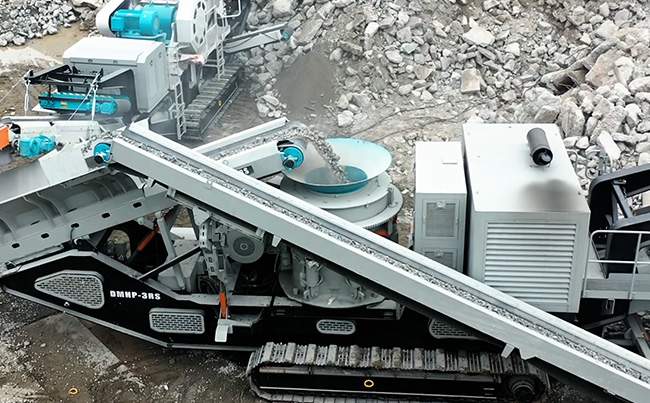
It should be noted that fixed screening machine is not suitable for short-cycle, frequently-moving construction projects. If the project site changes every few months, tracked mobile screening machine is more suitable. But for customers who operate permanent aggregate bases for more than 3 years, fixed screening equipment has obvious advantage in long-term comprehensive cost, stability and screening precision. Many customers ignore screening equipment investment at the beginning, only to find that unstable grading brings continuous quality loss, which is far more expensive than purchasing high-performance fixed screening machines.
Conclusion
Aggregate grading stability is the core guarantee for qualified commercial concrete and engineering aggregate. Many permanent aggregate lines and concrete batching plants are trapped by screening bottlenecks including cross-material pollution, frequent blockage, low efficiency and unstable classification. The fixed screening machine, as a professional classification equipment for fixed production lines, provides adjustable vibration parameters, multi-layer classification structure and reliable vibration isolation design. It works stably with upstream crushing hosts, continuously classifying aggregate into standard particle fractions. With proper model selection, matched feeding system, standardized operation and regular preventive maintenance, fixed screening machines can effectively control aggregate grading fluctuation, raise production line efficiency, reduce downtime and lower concrete quality risk. For large concrete batching plants and long-term aggregate production bases, investing in high-quality fixed screening machine is a reliable way to stabilize product quality and improve comprehensive economic benefits.
Latest Updates
Follow Us
Keeping crushing and screening equipment running worldwide.
Sign Up To Newsletter
Subscribe to get the latest parts news.
Post Comment