

Ready-mix concrete plants and commercial aggregate suppliers depend entirely on consistent, predictable aggregate quality to produce uniform concrete performance. Even minor variations in aggregate particle size distribution, particle shape or fines content can change concrete workability, strength development and finish quality, leading to batch rejection, field complaints and costly remediation. Many aggregate production lines invest heavily in primary jaw crushing and final screening equipment, yet overlook the critical role of secondary and tertiary crushing in controlling final aggregate characteristics. Older lines often use simple secondary jaw crushing or outdated cone designs that produce uneven gradation, high flake content and variable fines levels. When secondary crushing performance drifts, downstream screening cannot compensate, and finished aggregate stockpiles fall out of specification. A properly specified fixed cone crusher serves as the core quality control stage in permanent aggregate production lines, delivering controlled medium and fine crushing with consistent particle shape and gradation. For concrete batching plants and dedicated aggregate suppliers that serve ready-mix customers, upgrading the secondary crushing circuit with a modern fixed cone crusher is one of the most effective ways to reduce quality variation and strengthen customer confidence.

Common Quality Issues in Aggregate Supply for Concrete Plants
The first persistent problem is inconsistent particle size distribution. When secondary crushing produces variable discharge size, the screening section cannot reliably separate consistent fractions. Coarse aggregate may contain excessive fines, or fine aggregate may carry unexpected oversize particles. This variation forces concrete batch operators to constantly adjust mix proportions, cement content and admixture dosages, increasing labor cost and raising the risk of out-of-specification concrete. The second quality issue is high flaky and elongated particle content. Jaw crushing alone produces a high percentage of slabby and angular particles. Poor particle shape reduces interlock in concrete, lowers compressive strength and increases water demand, which directly affects concrete performance and durability. Third, excessive and variable fines content. Uncontrolled secondary crushing can generate excess stone dust that changes concrete water demand and can cause surface cracking and durability issues. Fourth, unstable production throughput. Outdated cone crushers with poor chamber design frequently choke when feed size or moisture varies, causing unplanned shutdowns that disrupt aggregate supply to batching plants. Fifth, high and unpredictable wear rates. When cone crushers are operated outside design parameters or use low-quality liners, mantle and concave wear accelerates rapidly, leading to frequent shutdowns for replacement and variable production costs. Sixth, difficulty meeting specification changes. When concrete customers require different aggregate grades for different mix designs, crushers with limited adjustability cannot quickly shift production between sizes, leading to inventory shortages or overstocking of unwanted fractions.
How Fixed Cone Crusher Improves Aggregate Consistency
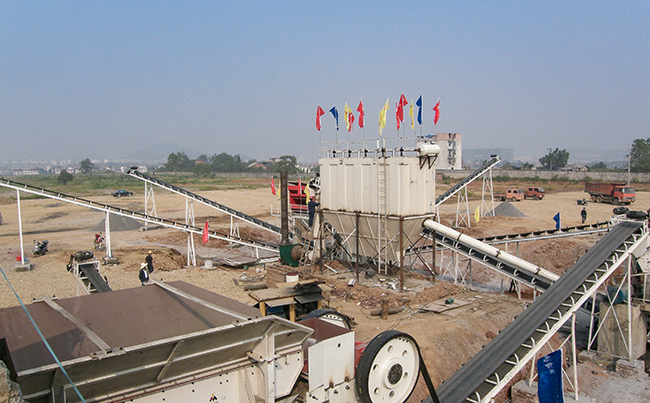
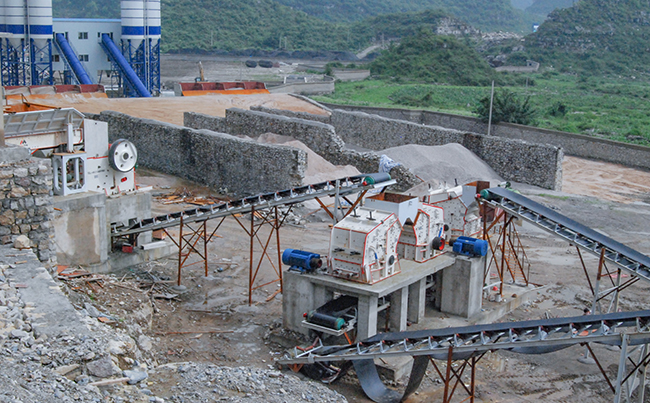
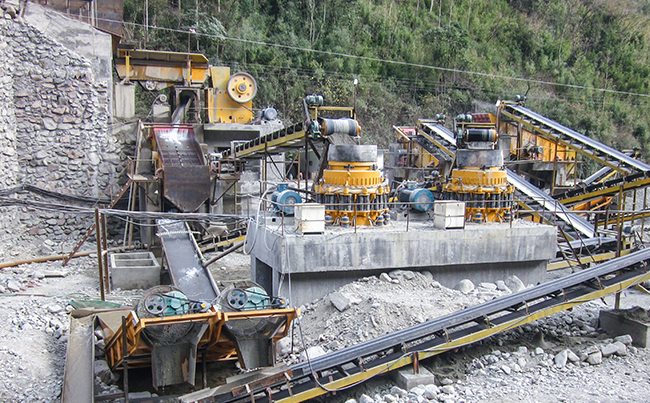
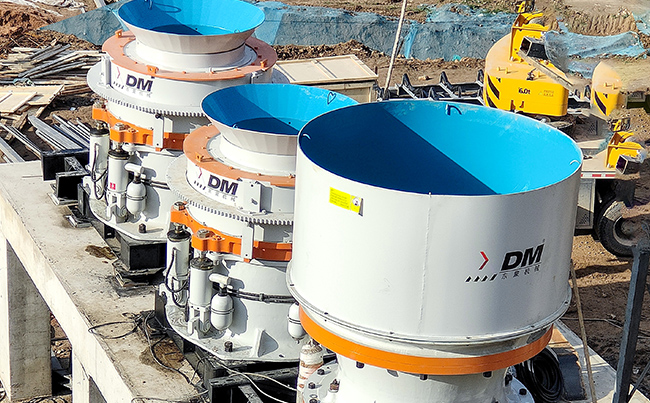
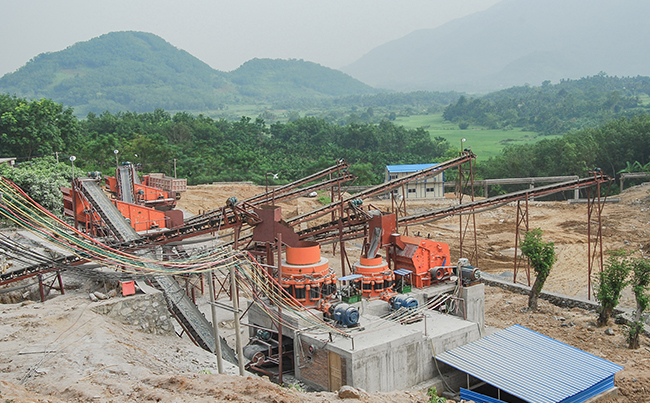
A modern fixed cone crusher operates on the principle of compressive laminar crushing. Material is squeezed between a rotating mantle and a stationary concave liner, causing rock to fracture along natural cleavage planes. This produces predominantly cubical particles with low flake content, which is ideal for concrete aggregate applications where particle shape directly affects mix performance. The fixed installation is mounted on a reinforced concrete foundation, providing stable vibration characteristics and consistent operating conditions that are impossible with mobile or portable units. Hydraulic closed side adjustment allows operators to change discharge setting quickly and accurately without major shutdown, so production can shift between different aggregate sizes to match batching plant demand. Modern cone crushers also include automatic tramp release systems that protect the crushing chamber from damage if uncrushable material such as steel fragments enters the feed. When integrated into a complete production line after a fixed jaw crusher and before a fixed screening machine, the fixed cone crusher provides a consistent, controlled feed to the screening section. This stable input allows screens to operate at peak efficiency with consistent separation accuracy, resulting in finished aggregate fractions that stay within specification tolerances day after day. Unlike impact crushers that are better suited for soft rock and shaping, cone crushers excel at hard, abrasive rock such as granite and basalt, making them the standard choice for high-quality structural concrete aggregate production.
Suitable Deployment Scenarios
The primary application is permanent aggregate production facilities supplying ready-mix concrete plants and precast concrete manufacturers. These operations require year-round consistent quality and stable tonnage, and the fixed cone crusher’s long service life and predictable wear pattern align perfectly with long-term production planning. Second, large quarry operations producing multiple aggregate grades for highway, bridge and commercial construction. Multi-stage cone crushing circuits can produce a full range of aggregate sizes from coarse base material to fine concrete sand. Third, manufactured sand production lines where control of fines content and particle shape is critical. Tertiary cone crushers with short head configurations produce well-graded manufactured sand with consistent fineness modulus. Fourth, hard rock processing facilities for high-strength concrete applications including dams, ports and heavy industrial construction. These projects demand the highest aggregate quality, and cone crushing delivers the particle shape and gradation control required. It is important to distinguish application boundaries. Fixed cone crushers are designed for stationary, high-volume, long-term operation. For temporary projects or sites requiring frequent relocation, tracked mobile cone crushers are more appropriate. Additionally, cone crushers are not the optimal choice for soft, abrasive-stick materials such as clay-bound limestone, where impact crushers may provide better anti-blocking performance.
Measurable Operational Benefits
The most significant benefit is consistent, predictable aggregate quality. A properly sized and operated fixed cone crusher produces discharge with very little variation in particle size distribution and shape. This stability allows concrete batching plants to maintain consistent mix designs, reduce batch rejection rates and build stronger customer loyalty. Second, improved particle shape increases concrete performance. Cubical aggregate with low flake content improves concrete workability, reduces water demand and increases compressive strength, allowing concrete producers to meet or exceed strength specifications with greater consistency. Third, higher overall line throughput. Stable cone crushing performance reduces choking and unplanned shutdowns, maximizing uptime for the entire crushing and screening circuit. Fourth, predictable wear and maintenance costs. Under steady operating conditions, mantle and concave liner wear follows a predictable pattern, allowing accurate budgeting of spare parts and maintenance labor. Fifth, flexible grade changing. Hydraulic CSS adjustment allows rapid switching between aggregate sizes, so producers can respond quickly to changing customer orders without long production delays. Sixth, lower long-term energy cost per ton. Modern fixed cone crushers are optimized for continuous full-load operation, delivering efficient energy use compared with repeated start-stop operation of smaller or mobile units.
Key Selection Criteria
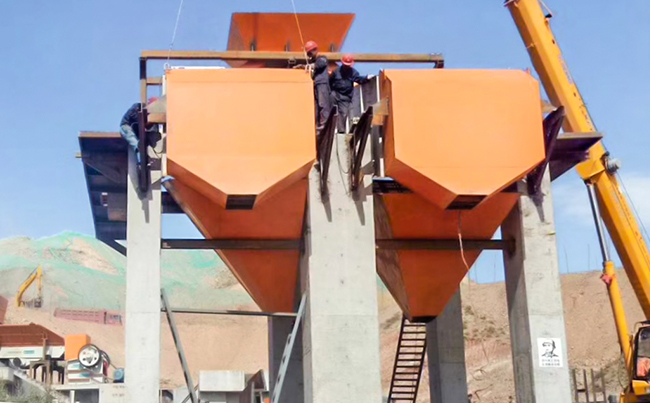
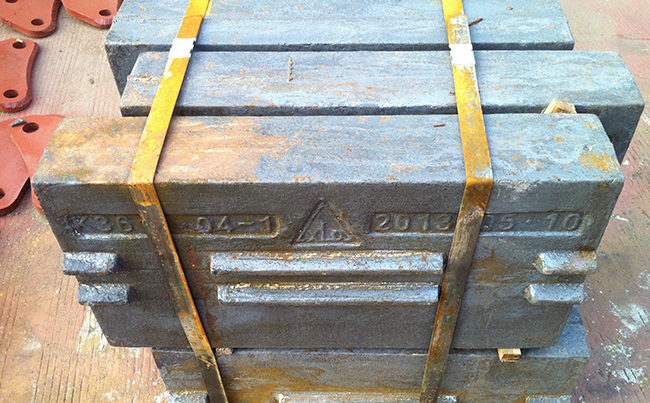
When selecting a fixed cone crusher for concrete aggregate production, operators should start with raw material characteristics. Rock hardness, abrasiveness and feed size determine the required cavity type and liner material. For hard granite and basalt, select heavy-duty standard cavity designs with high-manganese or high-chrome liners. For medium-hard limestone, standard cavities and standard liners provide sufficient performance at lower cost. Second, define required capacity and product size range. Match crusher throughput to upstream primary crushing and downstream screening capacity. The cone should not be the bottleneck in the circuit, but over-sizing wastes capital and increases operating cost. Third, evaluate adjustment and protection features. Hydraulic closed side adjustment is essential for flexible grade production, and automatic tramp iron protection is highly recommended to prevent catastrophic damage from stray metal. Fourth, consider control and automation options. Modern PLC-controlled systems with automatic feed rate regulation optimize crushing efficiency and reduce operator labor requirements. Fifth, review foundation and installation requirements. Fixed cone crushers require engineered concrete foundations designed to handle dynamic vibration loads. Site layout must include adequate access for liner replacement and maintenance. Sixth, verify supplier support and spare parts availability. Mantles, concaves and bearings are critical wear parts, and reliable local supply is essential to minimize downtime. Long delivery times for specialty liners can shut down an entire aggregate operation for weeks.
Preventive Maintenance Practices
Long-term performance and reliability of a fixed cone crusher depend almost entirely on disciplined preventive maintenance. Lubrication is the single most critical maintenance factor. The main shaft bearing, eccentric assembly and hydraulic systems require clean, properly specified lubricant at correct levels. Oil should be sampled and analyzed regularly to detect contamination or degradation before bearing damage occurs. Inspect mantle and concave liner wear at scheduled intervals. Measure liner thickness at multiple points to track wear rates and predict replacement timing. Replace liners before wear reaches the limit to prevent damage to the cone head or main shaft. Monitor vibration levels continuously. Increasing vibration amplitude often indicates loose fasteners, worn bearings or uneven liner wear. Address vibration issues early to avoid secondary damage to support structures and surrounding equipment. Check and retighten foundation bolts and frame fasteners regularly, as continuous vibration will gradually loosen even properly torqued fasteners. Inspect the tramp release system and hydraulic CSS mechanism periodically to ensure they operate correctly when needed. Keep detailed maintenance records including operating hours, liner replacement dates, oil analysis results and vibration readings. These records help predict maintenance needs, optimize replacement cycles and identify abnormal wear patterns early. Train maintenance personnel on proper lockout/tagout procedures for liner replacement and chamber inspection, as cone crushers have stored energy that can cause serious injury if not properly released before service.
Economic Return Analysis
Investment in a fixed cone crusher includes not only the machine itself but also foundation engineering, installation, integration with existing conveyors and control systems. While upfront cost is higher than simple secondary jaw crushing, the return comes through improved product quality, reduced rejection rates, higher throughput and lower long-term maintenance cost. For aggregate plants supplying ready-mix concrete customers, the reduction in concrete batch rejection and customer complaints alone can justify the investment for many operations. Typical payback periods range from 18 to 36 months depending on plant size, rock type and market conditions. The largest risks are improper sizing, poor foundation design and neglect of maintenance. Some operators install cone crushers that are too small for their feed size, leading to chronic overload and premature failure. Others cut corners on foundation design, resulting in excessive vibration that damages the crusher and surrounding equipment. To maximize return, operators should conduct a full process audit before selecting a model, ensure civil and structural work is completed to specification, and implement a formal preventive maintenance program from day one. It is also wise to invest in operator training, as poorly adjusted cone crushers can produce poor quality even with premium equipment.
In conclusion, the fixed cone crusher is the cornerstone of consistent, high-quality aggregate production for concrete batching applications. It addresses the root causes of aggregate quality variation – inconsistent gradation, poor particle shape and unstable fines content – that create so many problems for ready-mix producers. When properly selected for material characteristics, integrated into a balanced crushing circuit and maintained with a structured preventive program, a fixed cone crusher delivers years of stable, predictable performance. For aggregate producers and ready-mix operators committed to consistent product quality and customer satisfaction, upgrading secondary and tertiary crushing with a modern fixed cone crusher is a proven investment that pays dividends in quality, efficiency and customer loyalty.
Latest Updates
Follow Us
Keeping crushing and screening equipment running worldwide.
Sign Up To Newsletter
Subscribe to get the latest parts news.
Post Comment