

Urban redevelopment and inner-city demolition projects generate massive volumes of concrete rubble, brick masonry and foundation stone every year. For most demolition contractors, the traditional workflow follows a costly, inefficient pattern: excavators tear down structures, loaders pile rubble onto heavy dump trucks, and fleets of trucks haul the material to distant landfills or off-site recycling yards. This model creates layers of avoidable expense, including tipping fees, fuel costs, driver payroll, road wear and traffic permit compliance. In dense city centers, narrow streets, weight restrictions and limited working hours further complicate waste hauling, often forcing contractors to work overnight shifts at premium labor rates. On top of logistics challenges, many municipalities are tightening landfill diversion targets, imposing heavy fines on projects that send recoverable concrete and stone waste to disposal sites. A tracked mobile jaw crusher directly addresses these pain points by bringing primary crushing capability to the demolition footprint itself. Instead of hauling whole intact concrete slabs and rubble blocks off site, contractors can reduce material size on location, produce usable coarse aggregate and either reuse it on site or sell it as recycled construction aggregate.

Core Pain Points in Urban Demolition Waste Management
The first and largest financial burden is disposal and haulage cost. In major metropolitan areas, landfill tipping fees continue to rise, and round-trip haul distances often exceed 25 kilometers for active demolition zones. Every truckload of rubble carries additional cost for fuel, tolls, vehicle maintenance and driver time, and these expenses can consume 30% to 40% of total demolition project budget. The second pain point is limited site space. Inner-city demolition sites are typically surrounded by existing buildings, active roads and underground utilities. There is rarely room to stockpile large rubble piles, install fixed crushing equipment or build concrete foundations for processing machinery. Third, tight project schedules leave no buffer for logistics delays. Urban redevelopment contracts often carry strict liquidated damages for late site handover. If hauling schedules are disrupted by traffic, weather or permit restrictions, the entire demolition timeline slips. Fourth, regulatory and community pressure is increasing. Heavy truck traffic through residential neighborhoods generates noise, dust and road damage, leading to community complaints and potential work stoppages. Many cities now impose daytime truck bans and strict dust control rules that make traditional off-site hauling even more difficult. Fifth, lost revenue from recoverable materials. Intact concrete and brick rubble can be processed into valuable recycled aggregate, but when hauled off as mixed waste, this value is lost and contractors must also purchase virgin aggregate for site backfill and road base work.
How Tracked Mobile Jaw Crusher Transforms On-Site Crushing
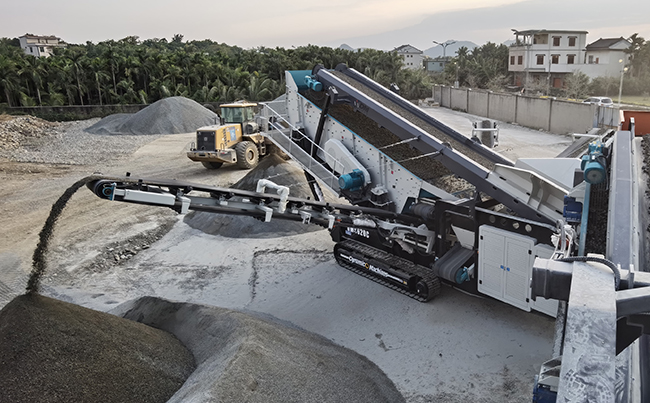
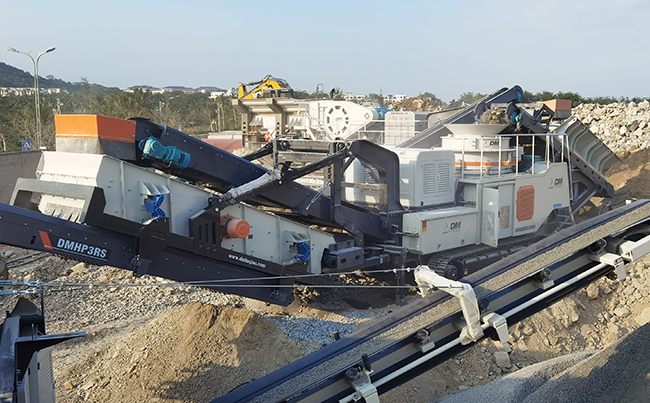
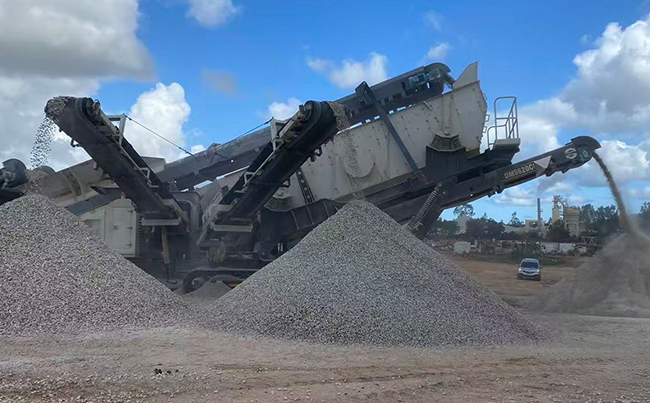
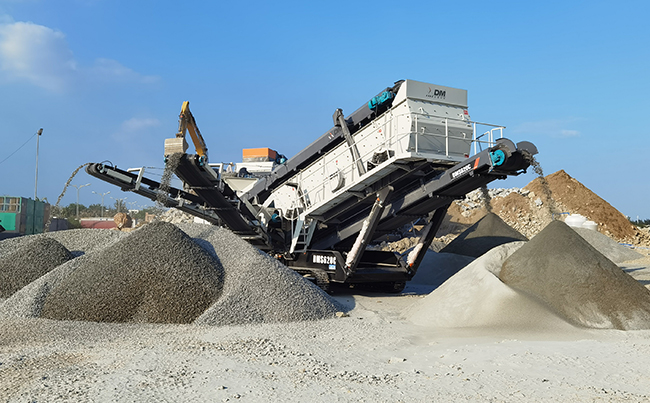
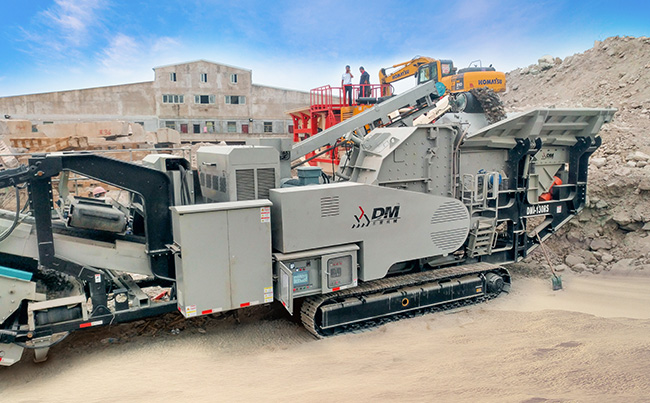
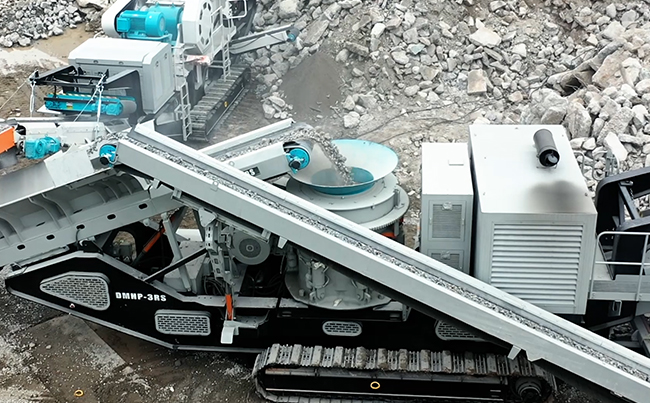
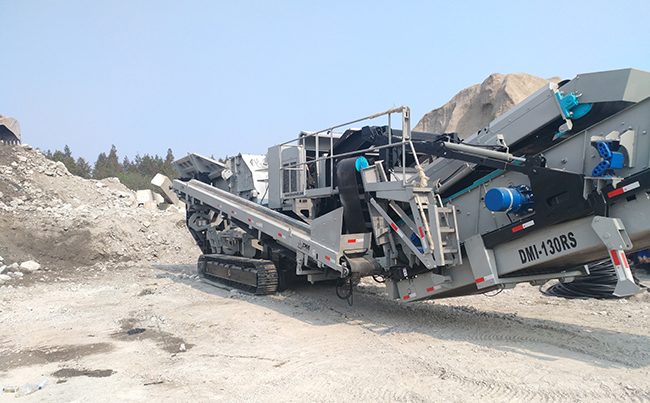
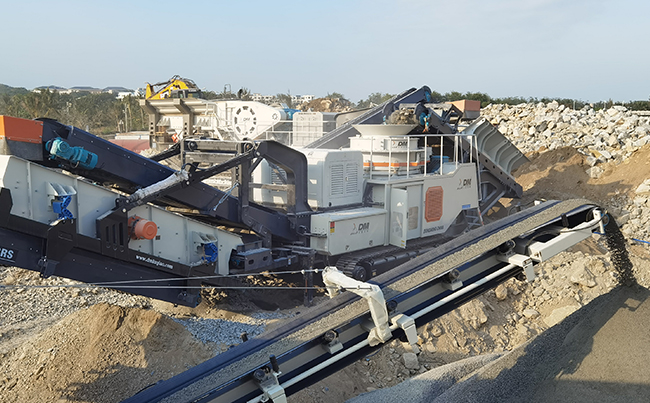
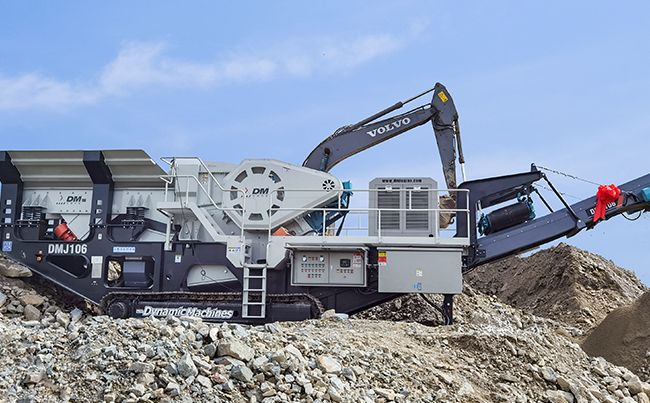
A tracked mobile jaw crusher integrates a heavy-duty jaw crushing chamber, vibrating grizzly feeder, discharge conveyor and self-propelled crawler undercarriage into a single compact unit. Unlike stationary jaw crushers that require permanent foundations and fixed conveyor runs, this mobile unit can drive itself onto the demolition site, position directly beside the rubble pile and start processing within hours. The crawler chassis distributes weight evenly with low ground pressure, so it can operate on soft, uneven demolition floors and navigate around foundation pits and utility trenches without sinking. The jaw crushing mechanism uses compressive force to break large concrete slabs, foundation blocks and mixed masonry into uniform coarse aggregate. Operators can adjust the closed side setting to control output size, typically producing 0–150mm or 0–200mm material suitable for backfill, road subbase or further secondary processing. Most models include a pre-screening grizzly that removes fine soil, dust and small brick fragments before they enter the crushing chamber, which reduces unnecessary wear on jaw liners and improves throughput. Built-in magnetic separators can be added to pull out embedded rebar and wire mesh before crushing, protecting the jaw plates from damage and producing cleaner recycled aggregate. When paired with a tracked mobile screening machine, the system can separate crushed material into multiple graded fractions on site, producing saleable recycled aggregate that meets local construction specifications.
Key Application Scenarios in Urban Construction
The primary use case is inner-city building demolition and site clearance projects. Contractors can position the tracked mobile jaw crusher inside the demolition zone, process rubble as it is generated and reduce the volume of material that needs to leave the site by 50% to 70%. This dramatically cuts hauling trips and allows faster site handover. Second, urban infrastructure renewal projects including sewer replacement, subway construction and street reconstruction. These linear projects generate scattered excavation rubble and demolition waste along the route. A tracked mobile jaw unit can move along the project corridor, processing material at each work zone instead of hauling everything to a single central location. Third, brownfield redevelopment and former industrial site cleanup. These sites often contain massive concrete foundations, old road surfaces and industrial stone structures. On-site crushing reduces hauling volume and allows reuse of crushed material for site grading and foundation backfill during redevelopment. Fourth, temporary construction and demolition projects in historic districts where truck access is severely restricted. The compact footprint and low noise options of modern tracked jaw crushers allow processing inside tight sites with minimal impact on surrounding historic buildings. It is important to note that tracked mobile jaw crushers are primary crushing units. For projects requiring fine graded aggregate for concrete or asphalt, secondary crushing with a tracked impact or cone crusher will be needed after primary jaw reduction.
Tangible Benefits for Demolition Contractors
The most immediate benefit is reduced hauling and disposal cost. By crushing rubble on site and reusing or selling the resulting aggregate, contractors eliminate most landfill tipping fees and cut trucking requirements dramatically. Many operators report total waste management cost reductions of 35% to 55% after deploying a tracked mobile jaw crushing unit. Second, project schedules become more reliable. Less reliance on external truck fleets means fewer disruptions from traffic, weather and permit restrictions. Contractors control processing speed on site to match demolition progress, helping to meet tight handover deadlines and avoid liquidated damages. Third, new revenue streams open up from recycled aggregate sales. Crushed, graded concrete aggregate can be sold to local builders, road departments and landscaping firms, turning a waste disposal cost into a revenue stream. Fourth, improved environmental and community compliance. Fewer truck trips reduce dust, noise and traffic impact on surrounding neighborhoods, helping contractors meet municipal regulations and avoid work stoppages from community complaints. Fifth, equipment flexibility improves asset utilization. When one demolition project finishes, the tracked jaw crusher can move directly to the next site or be rented out to other contractors during idle periods, instead of sitting idle at a fixed location.
Selection Guide for Urban Application
When selecting a tracked mobile jaw crusher for urban demolition work, contractors should first evaluate typical feed material size and composition. If most feed consists of large reinforced concrete slabs, select a model with wide feed opening and heavy-duty jaw plates. If the feed contains high volumes of rebar, prioritize models with integrated magnetic separation and tramp metal protection. Second, match throughput capacity to project size. Small urban demolition sites typically require 50 to 150 tons per hour, while large commercial redevelopment projects may need 200 to 300 tons per hour. Over-sizing wastes capital and fuel, while under-sizing creates bottlenecks. Third, evaluate site access and terrain conditions. Narrow city streets and building entrances require compact transport dimensions. Low ground pressure tracks are essential for sites with soft ground or underground utility lines. Fourth, consider power and emissions requirements. Urban sites often have strict emissions rules, so select Tier 4 Final or equivalent low-emission diesel engines. If grid power is available on site, electric drive models can eliminate exhaust emissions entirely and reduce noise. Fifth, review integrated features. Pre-screening grizzly, magnetic separator, dust suppression system and remote control operation all add significant value in urban environments. Sixth, confirm transportability between sites. Ensure the machine can be legally transported on public roads without excessive oversize permits, or plan for dedicated low-bed trailer transport.
Operation & Maintenance Best Practices
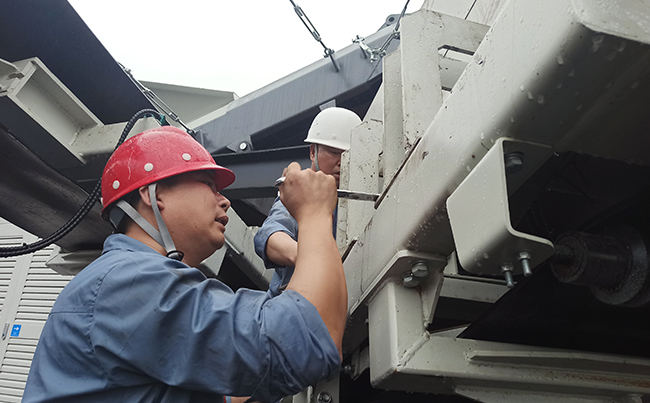
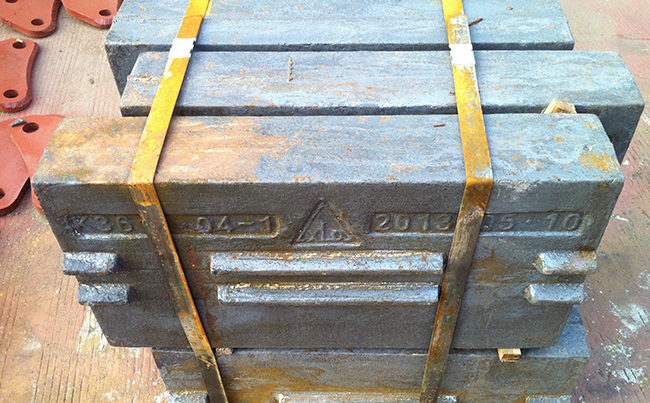
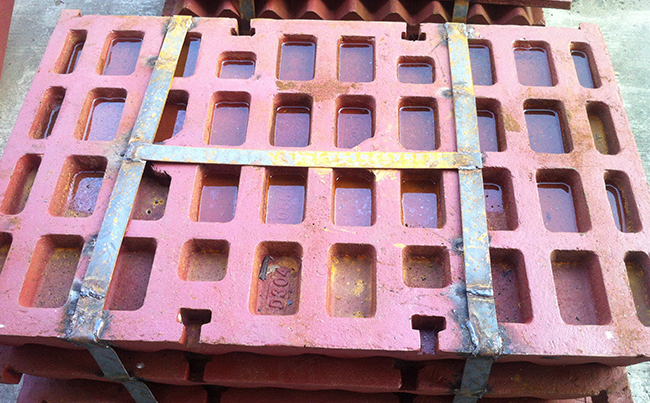
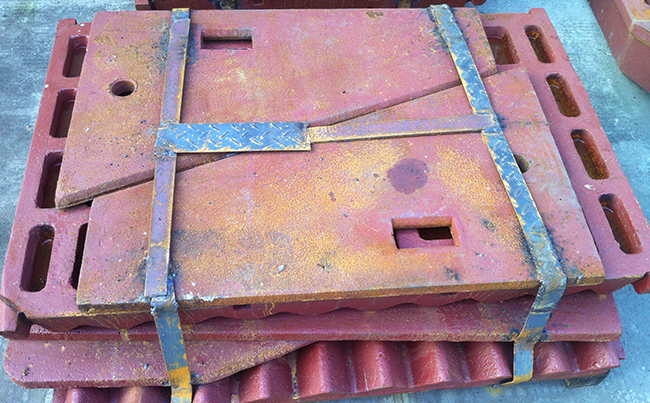
Proper operation and maintenance are critical to maximize uptime and extend service life of a tracked mobile jaw crusher on demolition sites. Before each shift, operators should inspect jaw plate condition, track tension, hydraulic fluid levels and safety systems. Remove large steel fragments and other uncrushable debris from the feed pile before processing to prevent chamber blockage and liner damage. During operation, maintain consistent feed rate centered on the crushing chamber. Uneven side feeding causes accelerated one-sided jaw plate wear and reduces crushing efficiency. Monitor crushing sound and vibration; abnormal knocking or excessive vibration usually indicates tramp metal inside the chamber or loose fasteners. Stop feeding immediately and inspect before continuing. Clean the pre-screen grizzly regularly to prevent soil and fine material buildup that reduces throughput. The crawler undercarriage requires regular attention on demolition sites. Remove concrete chunks and rebar caught between track links to prevent track damage and derailment. Adjust track tension according to manufacturer specifications; loose tracks increase wear and risk of disengagement, while over-tight tracks accelerate roller and sprocket wear. Change hydraulic oil and filters on schedule, especially when working in dusty demolition environments. Contaminated hydraulic fluid is a leading cause of premature pump and valve failure. Maintain an on-site stock of common wear parts including jaw plates, toggle plates and track pads to minimize downtime when replacements are needed. Train all operators on lockout/tagout procedures for clearing jammed crushing chambers, as blocked jaw clearance is one of the highest risk tasks on demolition crushing sites.
ROI and Risk Considerations
The return on investment for a tracked mobile jaw crusher depends heavily on local landfill tipping fees, haul distances and annual demolition volume. For contractors operating in major cities with high disposal costs, payback typically occurs within 12 to 24 months. Savings come from three main sources: eliminated tipping fees, reduced trucking expense and revenue from recycled aggregate sales. The main risks include incorrect machine sizing, under-estimating wear on abrasive material and lack of trained operators. Some buyers purchase units that are too small for their largest demolition projects, leading to chronic overload and premature component failure. Others assume concrete rubble is low-wear material, but embedded sand, aggregate and rebar can accelerate jaw plate wear significantly. To mitigate risk, contractors should start with a detailed waste characterization study before selecting a model, budget for a regular supply of wear parts and ensure all operators receive manufacturer-certified training. It is also wise to evaluate rental options for contractors with only occasional demolition work, and reserve purchase for firms with steady annual demolition volume.
In conclusion, the tracked mobile jaw crusher redefines demolition waste management by moving primary crushing into the heart of the demolition site. It eliminates the cost and disruption of hauling whole rubble blocks to distant landfills, reduces project schedule risk and turns construction waste into a marketable recycled product. For urban demolition contractors, redevelopment firms and waste management companies operating in dense city environments, this equipment delivers both immediate cost savings and long-term strategic advantage. When selected appropriately for site conditions, operated according to best practices and paired with screening and secondary crushing equipment where needed, a tracked mobile jaw crusher is one of the highest return investments available in urban construction waste recycling.
Latest Updates
Follow Us
Keeping crushing and screening equipment running worldwide.
Sign Up To Newsletter
Subscribe to get the latest parts news.
Post Comment