

The aggregate industry is facing fierce market competition today. Buyers from highway, water conservancy and concrete batching plants set strict standards on aggregate cubicity. Poorly shaped stones with excessive flaky particles will be rejected or purchased at discounted prices, which directly cuts down profit margins of quarry operators. Many stationary crushing lines suffer from unstable finished size, frequent blockage, rapid wear of blow bars and long downtime for maintenance. Aging equipment leads to unexpected shutdowns, raising labor and spare parts costs. At the same time, stricter environmental regulations on dust and noise force many aggregate producers to upgrade production lines, otherwise they may face production suspension. For processing medium and soft rocks like limestone, dolomite and recycled construction waste, fixed impact crusher acts as reliable secondary and tertiary crushing equipment. Combined with primary jaw crushing and screening units, the complete stationary crushing system improves aggregate shape, stabilizes production capacity and helps aggregate plants meet engineering material requirements. This article analyzes typical operational challenges, introduces the complete process solution, discusses application scenarios, customer benefits, selection principles and maintenance practices, and finally evaluates the return on investment for aggregate producers.

1. Core Pain Points in Aggregate Production Lines
Most aggregate plants do not fail simply because of insufficient capacity. The root problems usually come from mismatched crushing technology. The first major pain point is bad aggregate particle shape. Compression-type crushers create a high proportion of flat and elongated stones. Engineering purchasers limit flaky content strictly, and non-compliant aggregates cannot enter high-value infrastructure projects. Producers can only sell low-quality materials at lower prices, resulting in inventory backlog and revenue loss. The second pain point is fast consumption of wear components. Many plant owners select improper crushing machines for medium-hard rock. Blow bars and impact liners wear out quickly, requiring frequent replacement. Each replacement takes several hours or even days, reducing effective working hours of the whole crushing line. The third pain point is material blockage. Feed material with high moisture and high clay content sticks inside the crushing chamber, reducing effective crushing space. Clearing blocked material consumes heavy labor and creates safety risks. The fourth pain point is environmental non-compliance. Uncontrolled dust emission from crushing workshops triggers fines and production shutdown orders. Noise also exceeds occupational safety limits without proper isolation. The fifth pain point is unstable finished grading. Manual adjustment of crusher gaps lacks precision. Particle size varies batch by batch, making it difficult to sign long-term supply contracts with large engineering contractors. All these issues restrain the development of small and medium-sized aggregate manufacturers.
2. Process Solution Based on Fixed Impact Crusher
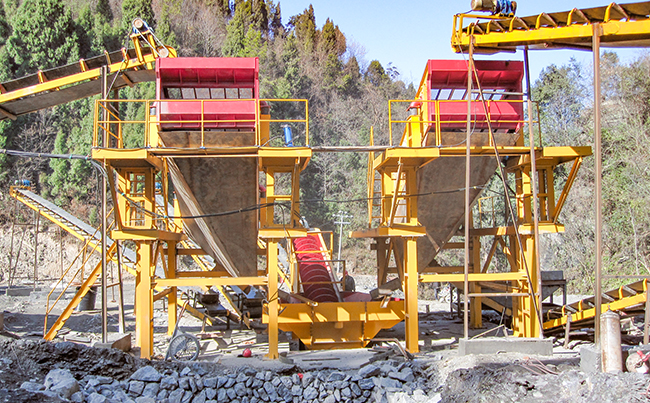
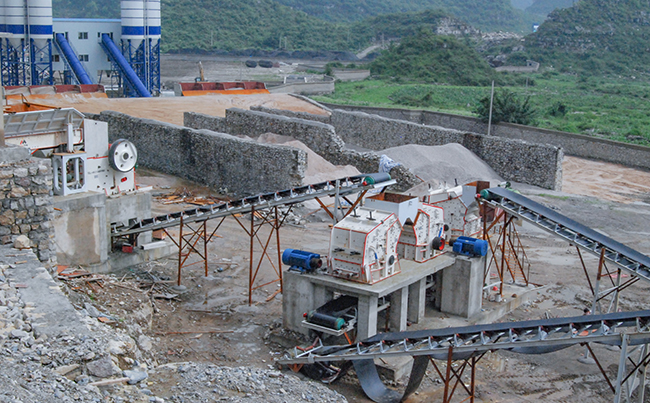
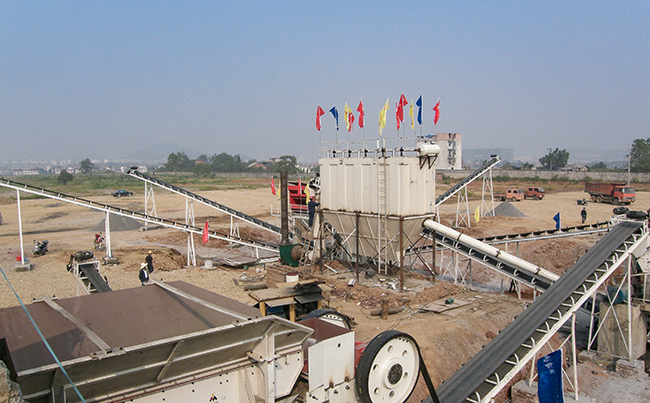
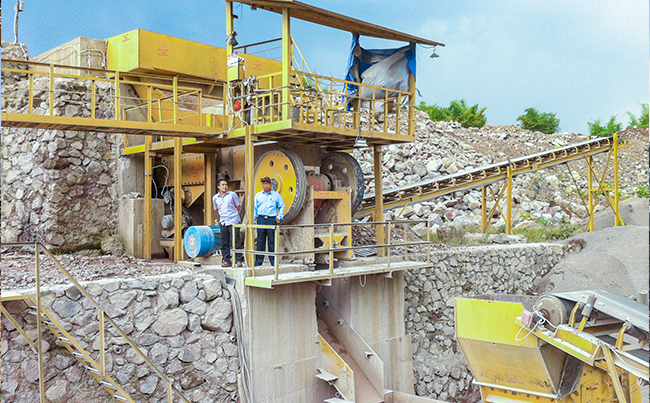
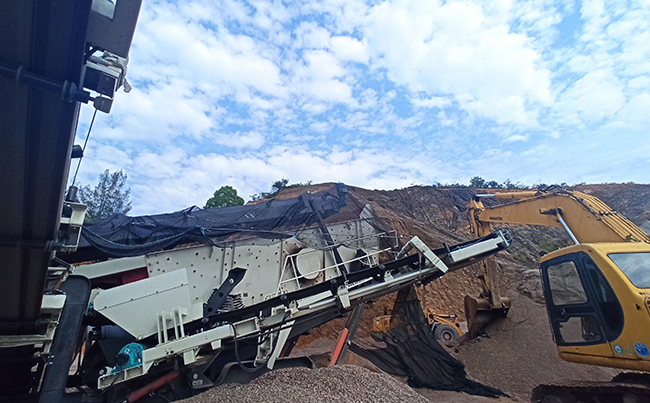
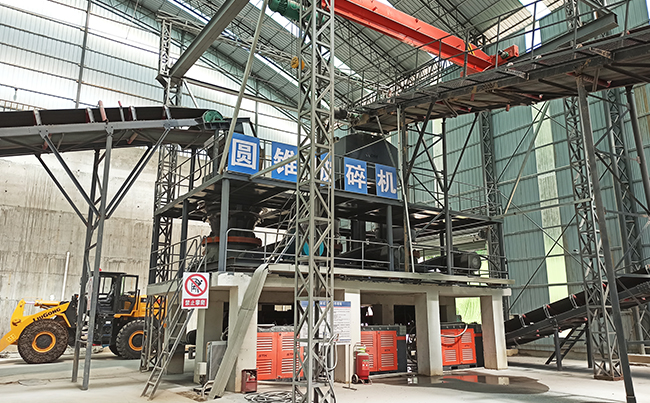
fixed impact crusher works on impact crushing principle. Rock material is struck by high-speed rotor, collides repeatedly against impact plates and breaks along natural fissures. The final products feature good cubic shape and low flaky ratio, which meets high-standard aggregate specifications. In a standard stationary aggregate line, raw stone goes through primary crushing by fixed jaw crusher. After primary reduction, material is conveyed by belt conveyor into fixed impact crusher for secondary and tertiary crushing. Crushed material moves to fixed screening machine for classification. Oversized particles return back to impact crushing chamber for re-crushing, forming a closed-loop production flow.
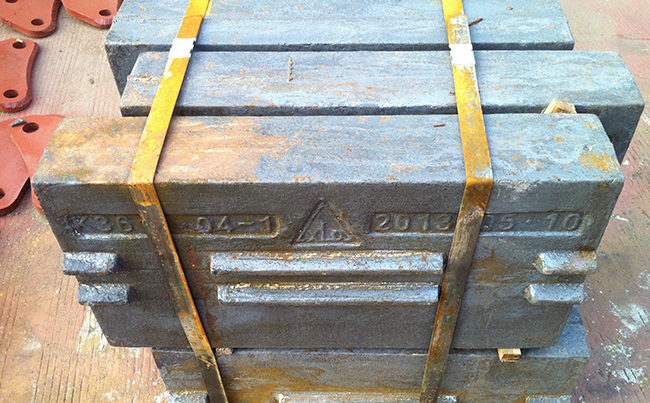
For sticky feed with high clay content, pre-screening equipment can be installed before feeding to remove soil and fine powder in advance, lowering blockage risk. Modern fixed impact crusher adopts hydraulic opening mechanism. Engineers can open the crusher housing quickly to replace blow bars and liners without removing massive bolts, drastically cutting maintenance time. The whole plant can be equipped with enclosed dust collection and noise reduction systems to capture dust generated during crushing, complying with local mining environmental rules. The crushing gap can be adjusted hydraulically. Operators can modify finished particle sizes flexibly according to different customer orders. Multiple aggregate fractions including 0–5mm, 5–10mm, 10–20mm and 20–31.5mm can be produced for ready-mix concrete, road subbase and water conservancy projects. It should be noted that fixed impact crusher is not recommended for extremely hard and abrasive rocks such as granite and basalt. In these cases, cone crushers will be more economical to control wear cost.
3. Typical Application Scenarios
The first application is large limestone quarry aggregate production. Limestone is the most common raw material for fixed impact crusher. After primary crushing, limestone enters impact crusher for fine crushing. The stationary plant runs continuously to produce thousands of tons of qualified aggregates every day, supplying highway and municipal construction nearby. This stationary solution fits quarries with fixed site and long-term operation plans.
The second scenario is construction waste recycling stationary base. Demolition concrete and bricks are transported to recycling plants. fixed impact crusher processes these waste materials into recycled aggregates. Recycled aggregates can be used for permeable brick manufacturing and road backfill. This business model turns construction waste into valuable products and complies with local solid waste recycling policies.
The third scenario is dolomite and sandstone aggregate processing. These rocks have low abrasiveness. Blow bar consumption stays at a reasonable level. High-quality cubic aggregates produced can be sold to ready-mix concrete plants at premium prices.
4. Customer Benefits & Economic Advantages
The most direct benefit of adopting fixed impact crusher solution is improved aggregate quality. Well-shaped cubic aggregates can be sold at a price 10 to 25 higher per ton than low-quality flaky stones. Profit growth is remarkable for high-capacity production lines. Secondly, closed-loop crushing and screening process optimizes material circulation, controlling power consumption per ton. Hydraulic maintenance design reduces downtime for spare parts replacement, increasing effective operation time. Automated continuous production cuts down the number of on-site workers and lowers labor expenditure. For construction waste recycling projects, operators save landfill and transportation cost of waste materials and create new revenue streams from recycled building materials. Stable aggregate quality helps producers establish long-term supply agreements with big contractors, avoiding losses caused by volatile sand and stone market prices. Complete environmental protection systems prevent unexpected shutdowns, securing annual production output.
5. Equipment Selection Logic
Operators should follow clear selection steps before purchasing fixed impact crusher. First, test rock hardness, abrasion index, clay content and moisture of raw feed. Medium-soft rock with low abrasion is suitable for impact crushing. Hard abrasive rock requires cone crushing solution instead. Second, calculate required hourly capacity and maximum feed size, select proper crusher model, and reserve 10% to 20% capacity margin to avoid continuous full-load operation which accelerates wear. Third, define finished aggregate grades and flaky limit, determine crushing stages and screening layers to design material recirculation process. Fourth, survey factory land layout, plan belt conveyor routes, dust collection installation and foundation construction. Fifth, evaluate maintenance capacity and prefer models with hydraulic access and remote monitoring function. Prepare spare part inventory for blow bars and impact liners to reduce waiting time during breakdowns.
6. Operation & Preventive Maintenance Guidelines
Stable operation of fixed impact crusher depends on standardized daily maintenance. Before startup, operators must inspect rotor and blow bar fastening status, clear residual material inside crushing chamber, check lubrication system, belt conveyors and dust collectors. Start the machine under no-load condition and confirm no abnormal vibration or noise before feeding raw material. Maintain even and continuous feeding during production. Metal debris and oversized rock must be prevented from entering crushing chamber to avoid blow bar fracture. Monitor blow bar wear condition regularly. Rotate or replace blow bars once wear reaches threshold to keep stable aggregate shape. Clean dust collector ash after each shift, inspect liners and impact plates periodically. Build maintenance log books to record running hours, electric current, spare part replacement and fault history. Predict component aging and carry out preventive maintenance to avoid sudden breakdown. All maintenance work must follow lockout-tagout safety rules. In rainy seasons, pre-screen sticky wet material more frequently to prevent adhesion inside crushing cavity.
7. Conclusion
Aggregate market competition has shifted from simple capacity competition to quality control, cost management and environmental compliance. For quarries and recycling bases processing limestone, dolomite and construction waste with fixed plant location and long-term operation, fixed impact crusher matched with full crushing and screening train solves flaky aggregate, unstable quality and high maintenance cost effectively. With proper process design, correct model selection and standardized maintenance, producers can manufacture high-grade cubic aggregates, raise selling price, reduce downtime losses and control power and spare part cost, while meeting environmental standards. Reliable product quality helps win long-term infrastructure orders and improve overall ROI of aggregate projects. When planning new production lines or upgrading old crushing plants, buyers should not only compare equipment purchase price, but also evaluate total operation cost covering raw material adaptability, finished quality and long-term maintenance. Comprehensive process planning is the key to sustainable profit for aggregate and quarry businesses.
Related Tags
Impact Crusher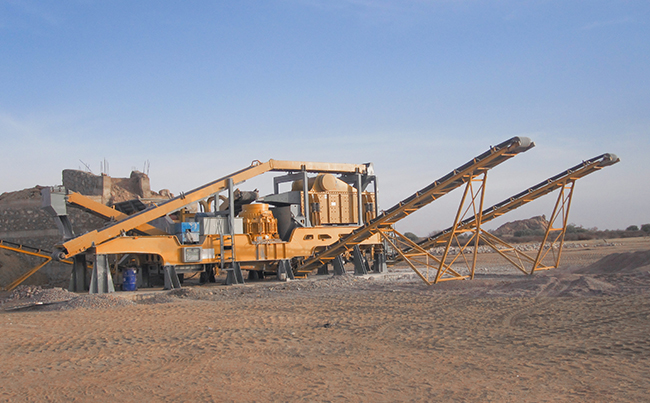
Latest Updates
Follow Us
Keeping crushing and screening equipment running worldwide.
Sign Up To Newsletter
Subscribe to get the latest parts news.
Post Comment