

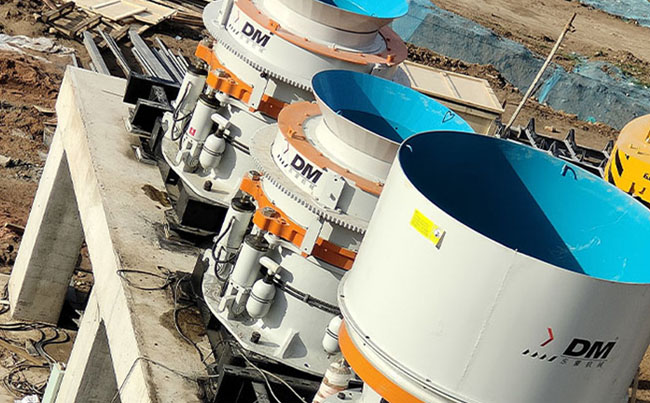
Fine crushing stage decides the final gradation of aggregates. In quarry, mining and recycling crushing lines, cone crushers undertake secondary and tertiary crushing tasks. A lot of operators suffer from inconsistent discharge size, frequent bowl liner breakage, floating adjustment ring and long maintenance time. Most of these troubles relate to the selection, installation and inspection of cone crusher spare parts. Many buyers only compare unit price of liners, ignoring metallurgy, casting tolerance and matching with crushing cavity style, which eventually pushes up the overall tonnage cost.

Core Operational Pain Points in Cone Fine Crushing
The first pain point is mismatched cavity and liner profile. Standard, fine, extra-fine, short-head cavities have different liner curve designs. If you install a coarse bowl liner into a fine crushing cone chamber, the crushing nip angle changes. Materials slip inside the chamber, capacity drops, oversize rate rises sharply, and liners wear unevenly with local hot spot abrasion.
Second, premature cracking of bowl liner cone crusher. Low-alloy cast liners cannot stand cyclic heavy compression stress. Under continuous feeding of hard ore, cracks spread quickly once initiated. Once a liner breaks inside the cone, broken casting fragments jam the machine. Clearing jammed materials, dismantling the whole upper frame takes one or two working days, and the whole production line stops.
Third, uneven feeding leads to one-sided liner wear. When feed distribution is biased, only one section of mantle and bowl liner takes crushing force. One side wears thin quickly while the rest still has enough thickness. Operators have to replace the full set earlier than expected, wasting remaining usable liner material and raising consumption of crusher spare parts.
Fourth, neglected auxiliary spare parts failure. Beyond liners, seal rings, socket liners, thrust bearings, hydraulic cylinder seals and locking bolts are easy to overlook. A failed dust seal lets fine powder enter the lubrication oil system, contaminating oil and damaging the main shaft and bearing. This kind of indirect damage often costs much more than the seal itself.
Cavity & Spare Part Selection Strategy for Different Projects
For road and railway aggregate production requiring cubic fine aggregates, short-head fine cavity with high manganese alloy bowl and mantle liner is recommended. The optimized nip angle produces well-shaped chips and reduces needle flake content. This combination is widely used for tertiary shaping after jaw and impact crushing.
For metal mines crushing hard iron ore or copper ore, choose high chromium composite reinforced cone crusher spare parts. These liners resist both compression stress and abrasive wear, extending service life under long continuous mining shifts. Mine sites usually run 24-hour operation, so liner life directly affects monthly ore throughput.
For gravel plant and limestone projects with medium abrasive materials, standard Mn18 liners offer balanced cost and life. They meet normal aggregate requirements without excessive capital input on premium alloys.
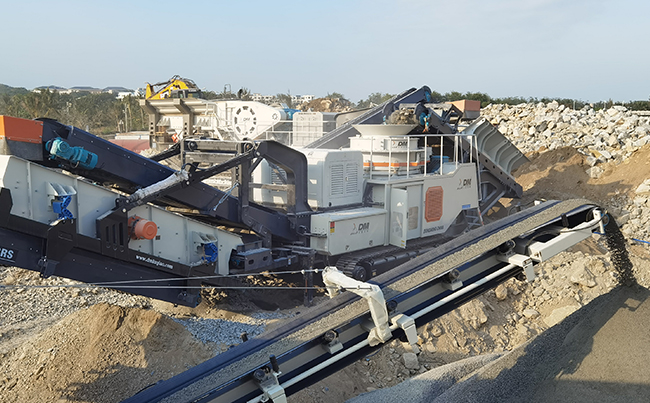
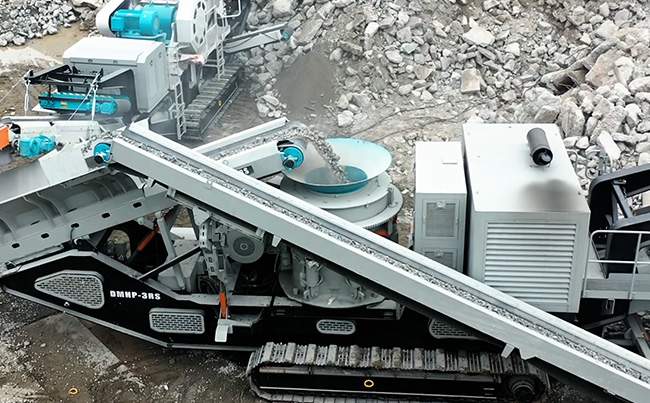
For mobile cone crushing plants working on multiple sites with changing raw materials, prepare interchangeable liner sets of different cavity types. This allows fast switching between coarse and fine products without replacing the whole cone host machine.
Maintenance Rules for Cone Crusher Spare Parts
Stable, centered feeding is the foundation to extend liner life. Install a rotary distributor above the crushing chamber to spread material evenly around the circumference. Avoid “choke feeding” beyond the designed maximum feed volume, and never let metal debris enter the cavity. Metal tramp can crack liners and bend the main shaft instantly.
Set liner replacement criteria: monitor the discharge gap size continuously. When finished aggregate cannot meet size specification even after CSS adjustment, or liner thickness reaches the wear limit, arrange shutdown replacement. Replace mantle and bowl liner as a matched set, do not mix a new liner with an old worn counterpart, otherwise the crushing curve becomes abnormal.
Implement periodic inspection on auxiliary cone crusher parts. Check dust seals, lubrication oil condition, locking mechanism and adjustment ring thread every shift. Replace oil and seals on schedule to prevent abrasive fines from entering critical friction pairs. Keep spare liners, sealing kits and hydraulic components in site inventory for fast emergency replacement.
Return on Investment Analysis
Many plant managers focus only on liner purchase price. Cheap liners may fail 30%–50% faster, bringing extra shutdown loss and labor cost. Premium matched bowl liner cone crusher with correct cavity design keeps discharge size stable, reduces re-circulating load back to the screen, improves the overall circuit throughput.
For a 150 tph fine crushing cone station, properly selected cone spare parts can reduce liner change frequency and cut rework of unqualified aggregates. Stable fine crushing output helps the plant sign long-term supply contracts with concrete batching plants and asphalt mixing stations.
Conclusion
Fine crushing reliability heavily relies on properly selected and maintained cone crusher spare parts, especially bowl liners and mantle liners. The cavity style, alloy grade, feeding condition and auxiliary wear components work together to decide cone crusher uptime and aggregate quality. By matching liners to your raw material and product requirement, implementing centered feeding and scheduled inspection, you can avoid sudden liner breakage, stabilize product gradation and lower the comprehensive crushing cost per ton.
Latest Updates
Follow Us
Keeping crushing and screening equipment running worldwide.
Sign Up To Newsletter
Subscribe to get the latest parts news.
Post Comment