

Crushers are the core equipment in mining, infrastructure engineering, construction waste recycling, and aggregate production. By applying mechanical forces such as compression, impact, (attrition), and splitting, they process large rocks, ores, and construction debris into sand and gravel aggregates of various particle sizes. As the primary machines in aggregate production lines, the performance, stability, and adaptability of crushers directly determine the entire line's capacity, finished product quality, operating costs, and overall production efficiency.

With the upgrading of the infrastructure industry, the implementation of solid waste treatment policies, and the standardized development of the sand and gravel sector, various types of crushers are now widely used in engineering projects, becoming indispensable industrial equipment for building material production. This article provides a detailed introduction to crusher classifications, core advantages, applicable scenarios, selection methods, and daily maintenance tips, offering professional references for equipment procurement and production line setup.
1. Core Working Principles and Key Value of Crushers
The basic principle of a crusher is to use mechanical kinetic energy to (break down) the internal molecular structure of large solid materials, reducing them into small (particles) that meet engineering standards. Based on the crushing method, they are mainly divided into compression, impact, and attrition types, each suited for materials of different hardness, moisture content, and size.
In sand and gravel production and construction, crushers hold irreplaceable value:
Standard Aggregate Production: They process natural raw stones into standard aggregates (0–5mm, 5–10mm, 10–20mm, etc.), meeting the material requirements for roads, bridges, building construction, and municipal engineering.
Green Circular Economy: Crushers enable the recycling of construction waste, waste asphalt, and broken bricks/concrete, helping to reduce building material procurement costs and align with environmental policies.
Continuous Operation & Efficiency: High-performance crushers ensure continuous production line operation, minimize downtime due to failures, boost capacity, and deliver higher economic benefits for enterprises.
2. Mainstream Crusher Types and Applicable Scenarios
Based on crushing processes, equipment structures, and operating conditions, crushers are mainly divided into four categories: Jaw Crushers, Cone Crushers, Impact Crushers, and Mobile Crushers. (Proper) selection is the key to ensuring production efficiency.
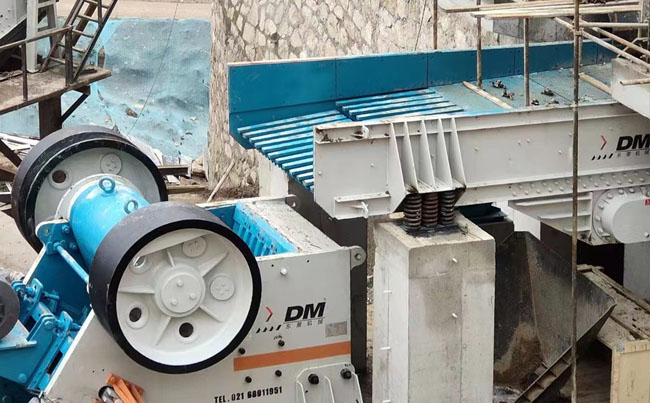
1. Jaw Crusher: The Core Equipment for Primary Crushing
Jaw crushers are the most widely used primary crushing equipment. They crush materials through the reciprocating compression of a movable jaw plate against a fixed jaw plate. With a robust structure, strong load-bearing capacity, and low failure rate, they efficiently handle high-hardness materials such as granite, basalt, river pebbles, and iron ore. They are mostly used in the first crushing stage of production lines to process large raw stones.
Types: Available in stationary and mobile versions.
Applications: Primary processing of mine raw stones, quarry primary crushing, and solid waste coarse crushing.
Pros & Cons: Stable operation, wear-resistant, and low O&M costs; however, the finished product has a higher percentage of flaky and elongated particles, so they are generally not used for high-standard aggregate shaping.
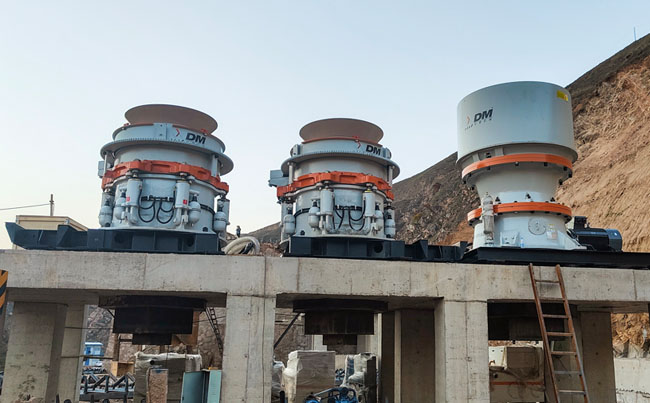
2. Cone Crusher: Specialized for Medium and Fine Crushing of Hard Rock
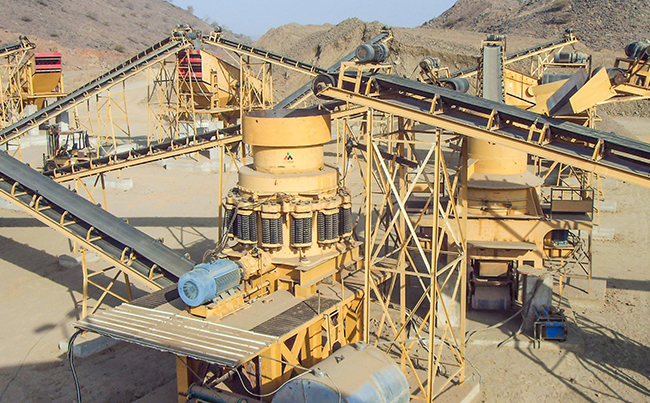
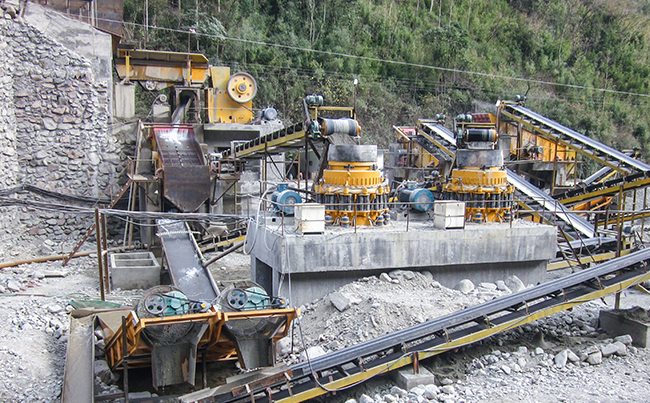
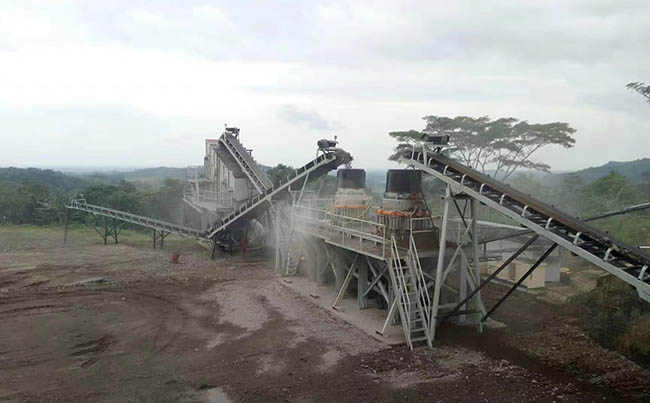
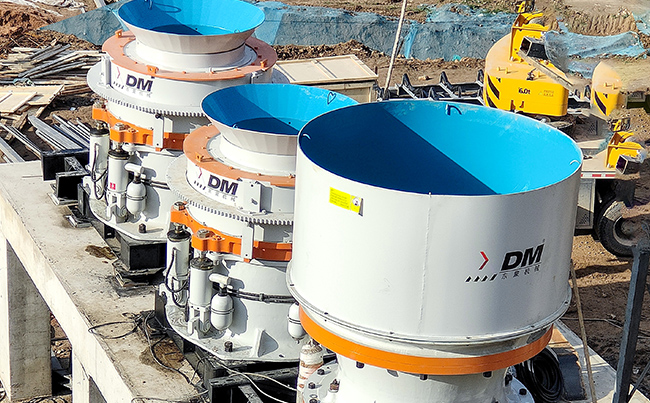
Cone crushers adopt the principle of lamination crushing, relying on the rotating compression of a mantle to crush materials. They are the main force for medium and fine crushing of hard rock. With strong compressive strength and low wear loss, they produce aggregates with uniform gradation and excellent particle shape, specifically designed for secondary and tertiary crushing of high-hardness stones.
Applications: Large quarries, mining operations, and highway aggregate production. Ideal for processing basalt, granite, quartz, and other hard stones, often paired with jaw crushers to form a complete coarse-to-fine crushing line.
Cons: Not suitable for materials with high moisture or high mud content, as this can easily cause blockages.
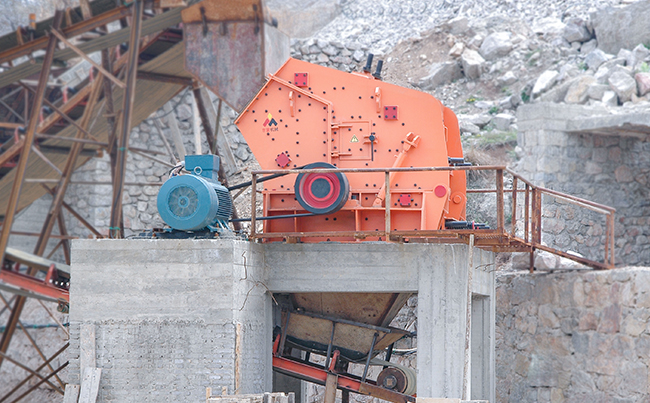
3. Impact Crusher: Specialized for Soft Rock and Solid Waste Processing
Impact crushers rely on high-speed impact from blow bars, with materials also colliding against each other to achieve crushing and shaping. They deliver dual crushing and shaping effects, producing rounded aggregates with low flaky/elongated content and reasonable gradation. They are the preferred equipment for construction aggregates and road base course aggregates.
Applications: Mainly processes medium-to-low hardness materials like limestone, dolomite, and coal gangue. They can also handle construction waste such as waste concrete, bricks, and asphalt. Widely used in solid waste resource recovery, urban infrastructure, and small-to-medium sand and gravel lines, offering outstanding cost-effectiveness.
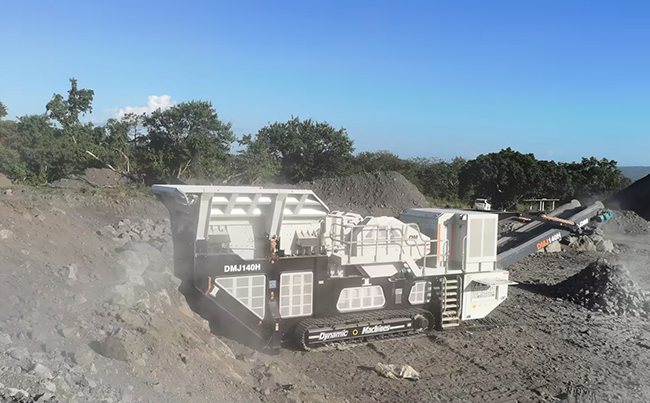
4. Mobile Crusher: Flexible Equipment for Multi-Site Operations
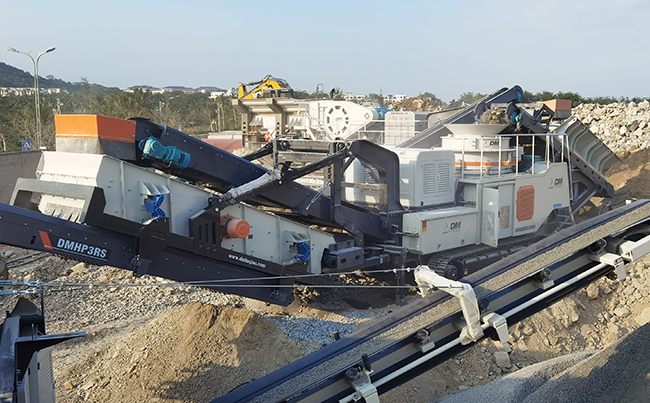
Mobile crushers are integrated units equipped with a traveling chassis, crushing host, feeder, and screening equipment. They require no fixed installation and can be easily relocated between sites. They are divided into crawler-type and tire-type models. Free from the site constraints of stationary equipment, they can be deployed directly at demolition sites or mountainous highway construction areas.
Applications: Ideal for projects with alternating construction sites, remote area infrastructure, temporary sand making, and on-site construction waste processing. They eliminate the need for concrete foundations, significantly saving on infrastructure and material transportation costs, making them the preferred choice for small-to-medium and short-term projects.
3. Main Application Areas Across Industries
Crushers are versatile industrial equipment covering mining, infrastructure, environmental protection, and industrial processing.
Mining & Quarrying: The core of sand and gravel production, processing natural raw stones into standard aggregates to support large-scale production.
Highways, Bridges & Municipal Infrastructure: Enables on-site stone processing to produce road base course aggregates, asphalt aggregates, and concrete aggregates, reducing transportation costs and ensuring project schedules.
Environmental Protection: The key equipment for construction waste recycling, processing demolition concrete and bricks into recycled aggregates for site backfill, road base construction, and prefabricated component production, achieving solid waste reduction and resource recovery.
Other Industrial Scenarios: Also used in mine tailings treatment, coal crushing, and metallurgical material processing.
4. Core Tips for Precise Crusher Selection
With numerous crusher models on the market, improper selection can lead to insufficient capacity, equipment overload, substandard finished products, and high (post-purchase) O&M costs. Selection must be based on material characteristics, operating conditions, and production needs.
Select Based on Material: For high-hardness rocks, prioritize a Jaw Crusher + Cone Crusher combination. For medium-to-low hardness stones and solid waste recycling, choose an Impact Crusher. Avoid cone crushers for wet, muddy materials to prevent blockages.
Select Based on Scenario: For fixed sites and large-scale production, choose stationary crushers. For scattered sites, temporary projects, or remote conditions, choose mobile crushers.
Match Capacity & Consider O&M: Match the equipment model to your capacity needs with a reasonable margin to avoid long-term overloading. Prioritize crushers with simple structures, strong parts universality, and a comprehensive after-sales system to reduce repair and replacement costs.
5. Daily O&M and Failure Prevention Points
Crushers operate in high-load, high-dust environments. Standardized daily maintenance extends equipment life, reduces downtime, and stabilizes capacity. Most production line failures stem from inadequate daily maintenance.
Key Daily Maintenance Practices:
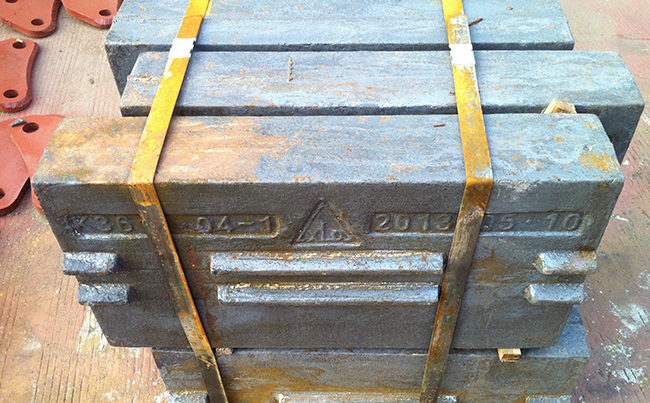
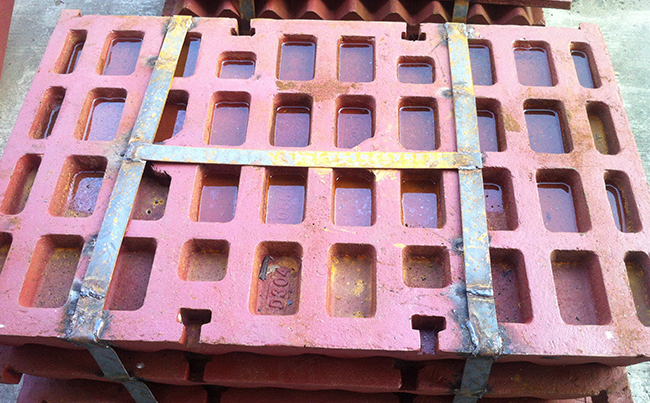
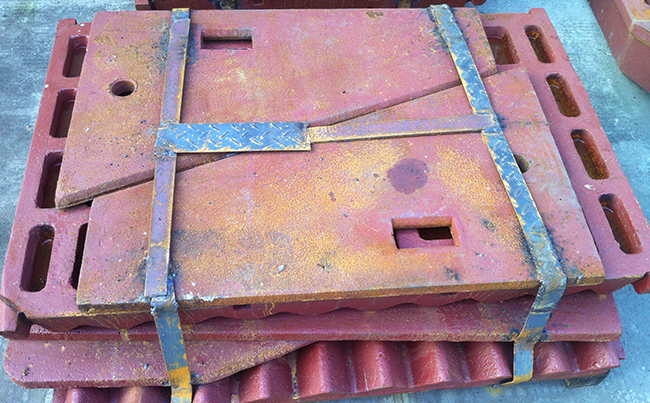
Regular Inspection of Wear Parts: Regularly check the wear status of jaw plates, blow bars, liners, and bearings. Replace them in time to prevent excessive wear from degrading product quality and reducing capacity.
Standardized Feeding Operations: Prohibit large hard objects and metal debris from entering the crushing chamber. Control the feed rate evenly to avoid overloading, blockages, or jamming.
Lubrication & Cleaning: Regularly add lubricating grease to bearings and transmission parts. Clean accumulated dust and residual materials to ensure smooth operation.
During operation, monitor current, temperature, and vibration in real time. Stop the machine immediately for inspection if abnormalities occur; never run the equipment with faults. Standardized O&M procedures can reduce failure rates significantly, extend equipment service life by over 30%, and greatly improve the overall profitability of the production line.
6. Industry Development Trends
As the industry upgrades towards intelligence, energy efficiency, and environmental integration, traditional extensive crushing equipment is gradually being phased out.
Intelligent Control: New-generation crushers are equipped with smart control systems, enabling automatic feeding, intelligent speed adjustment, failure warnings, and remote monitoring, reducing labor input and improving processing precision.
Green & Eco-Friendly: New models feature sealed dust removal and noise-reduction structures to meet environmental production standards.
Expanded Applications: Intelligent mobile crushing equipment and solid waste-specific crushers are becoming increasingly popular, further broadening application scenarios and supporting the integrated development of infrastructure and environmental protection industries.
Conclusion
As core equipment for sand and gravel production, infrastructure construction, and solid waste recycling, crushers come in diverse categories with wide applicability, spanning the entire industrial and engineering production process. Familiarity with their working principles, applicable scenarios, selection logic, and O&M standards helps enterprises optimize production line configurations, reduce operating costs, and improve product quality and efficiency. In the context of continuous infrastructure development and the rapid advancement of the circular economy, high-performance, intelligent, and eco-friendly crushers will become the industry mainstream, continuously empowering various engineering projects.
Related Tags
Crushers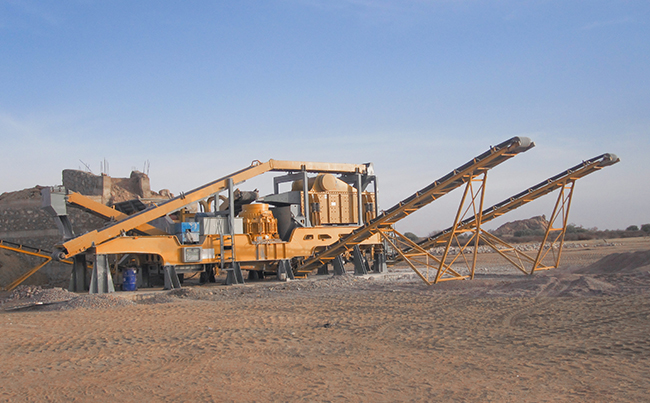
Latest Updates
Follow Us
Keeping crushing and screening equipment running worldwide.
Sign Up To Newsletter
Subscribe to get the latest parts news.
Post Comment