

Crusher serves as the core equipment of crushed stone production lines for highway engineering. Infrastructure projects such as highways, railways and airports consume massive quantities of crushed aggregates with stringent quality requirements. The quality of aggregates produced by the crusher directly affects the durability of road bases, asphalt surfaces and concrete works. Many highway projects suffer insufficient aggregate supply or substandard quality, which usually stems from improper selection and configuration of the crusher. To guarantee continuous material supply and stable compliance for highway construction, operators need to properly deploy, configure and manage the crusher. This article covers seven core issues about the application of the crusher in highway projects, helping enterprises efficiently manufacture graded crushed stone for road construction.

1. What Are Highway Crushed Stone Requirements?
The core indicators of crushed stone for highway engineering include strength, particle shape, gradation and mud content. Crushed stone used for base and surface courses must meet specific crushing value limits, low flaky and elongated particle content, continuous and stable gradation, and strictly controlled mud content.
The crushing process of the crusher directly determines whether highway crushed stone can meet specifications. Clarifying standards for road aggregates is the prerequisite for production and quality control of the crusher.
2. How to Configure the Production Line with Crusher?
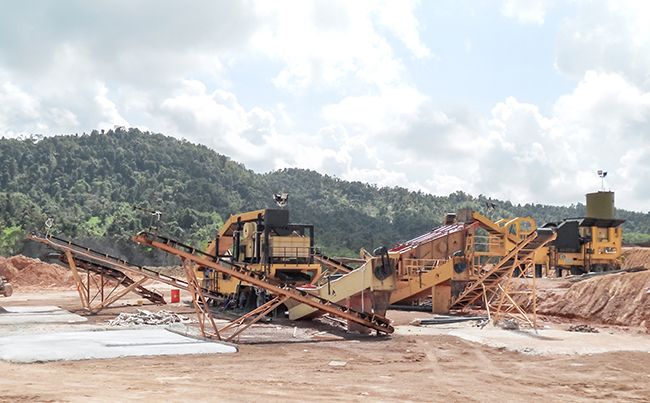
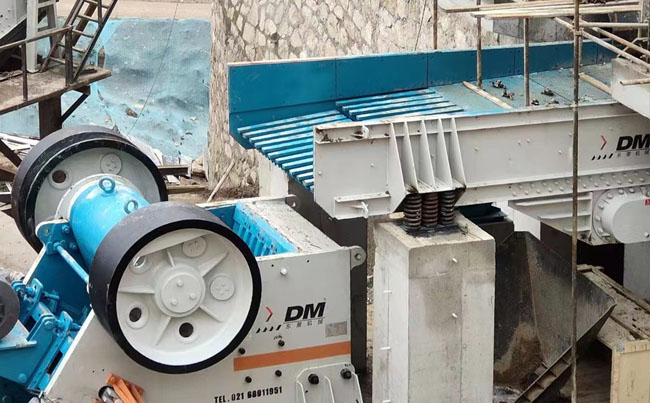
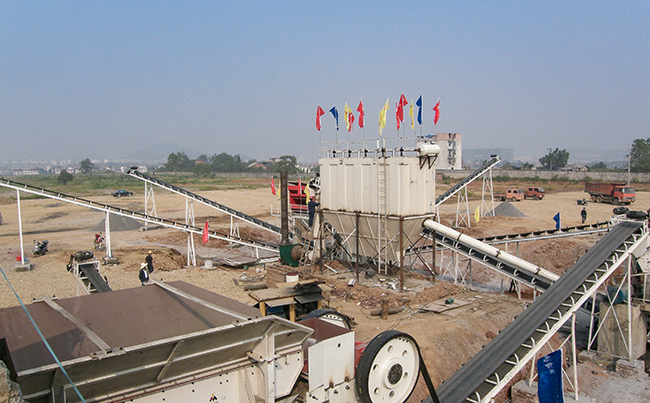
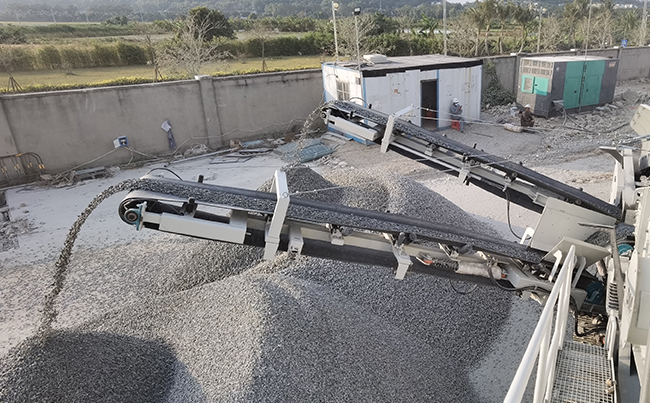
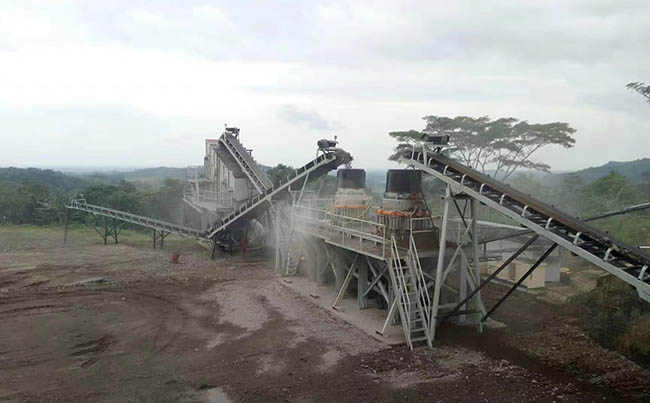
Highway crushed stone production lines generally adopt multi-stage configuration: primary crushing, secondary and fine crushing, and screening. Jaw crusher handles large raw stones in primary crushing stage; cone crusher or impact crusher controls particle shape and gradation in secondary and fine crushing; screening machines separate finished materials of different sizes.
Well-matched capacity of each crusher unit ensures high yield and superior quality of highway aggregates. With a reasonable production line layout, the crusher can deliver its designed capacity and product quality.
3. How to Control Gradation with Crusher?
Highway base and surface courses impose strict gradation requirements. After discharging from the crusher and screening, the proportion of particles of different sizes must be continuous and reasonable. Discontinuous gradation will increase road void ratio and reduce pavement durability.
Gradation can be stably controlled by coordinating the discharge gap of the crusher, sieve mesh size and closed-circuit circulation. Test the gradation curve periodically. Adjust parameters of the crusher and screening system promptly once deviations are detected, so as to keep highway crushed stone compliant over long-term operation.
4. How to Guarantee Particle Shape with Crusher?
Particle shape directly affects the strength of highway crushed stone and pavement performance. Crushed stone with high flaky and elongated particle content reduces base bearing capacity and weakens asphalt adhesion. The laminated crushing and shaping process of the crusher can effectively optimize particle shape.
Select a crusher with strong particle shape control capability, set proper crushing ratio and cavity profile, and add a shaping unit when necessary. These measures lower the proportion of flaky and elongated particles and produce better-shaped highway aggregates.
5. How to Determine the Capacity of Crusher?
Highway projects have tight construction schedules and huge stone demand. The capacity of the crusher must match the project progress. Insufficient capacity leads to material shortage and schedule delays, while excessive capacity causes investment waste and higher costs.
When defining the crusher capacity, calculate according to total stone consumption, construction period and daily demand, and reserve extra capacity for peak periods. Accurate capacity planning enables the crusher to secure material supply while maintaining good economic benefits.
6. Mobile or Stationary Crusher?
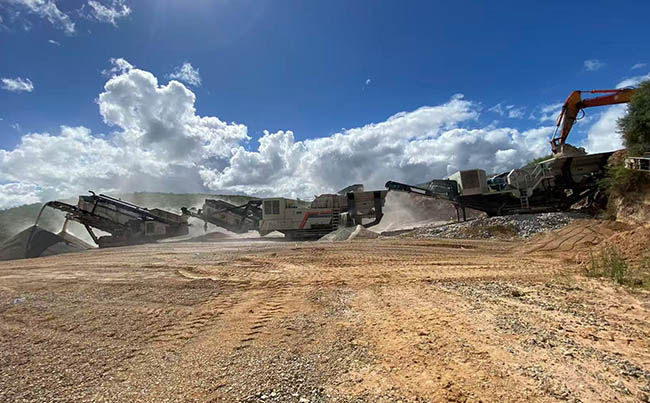
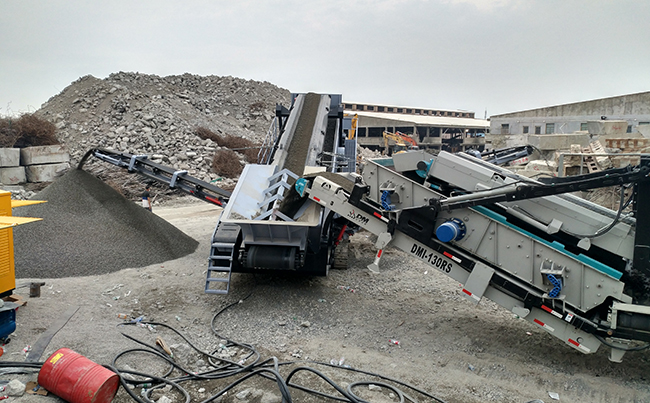
Highway projects feature long routes and scattered working sites, so choosing between mobile and stationary crusher matters a lot. Stationary crusher fits large long-term stockyards with high output and low unit cost. Mobile crusher is suitable for highway projects requiring frequent relocation and multi-site material supply.
For highway works with scattered material sources along the route, mobile crusher can move forward with construction progress and conduct on-site crushing to cut transportation costs. Choose the right type according to project characteristics to maximize the value of the crusher.
7. How to Manage Quality for Crusher?
Highway crushed stone has strict quality requirements, so production lines equipped with crusher must implement rigorous quality management. Regularly sample and test the crushing value, particle shape, gradation and mud content of crushed stone, and adjust operating parameters of the crusher based on test results.
Meanwhile, carry out maintenance of the crusher and record operating data to keep stable equipment operation. Effective quality control ensures the crushed stone produced by the crusher can be safely applied in highway projects and guarantee engineering quality.
Conclusion
The crusher is the source of crushed stone for highway engineering. Proper operation of the crusher safeguards the quality and progress of highway construction. From clarifying material standards, configuring production lines, controlling gradation, ensuring particle shape, defining capacity, selecting mobile or stationary type, to strengthening quality management, these seven points are closely linked and none can be omitted. With proper selection and operation of the crusher, highway projects can obtain continuous and qualified aggregate supply, and enterprises can gain a firm foothold in the infrastructure market. Remember: qualified crushed stone from the crusher brings reliable quality to highway projects.
Latest Updates
Follow Us
Keeping crushing and screening equipment running worldwide.
Sign Up To Newsletter
Subscribe to get the latest parts news.
Post Comment