

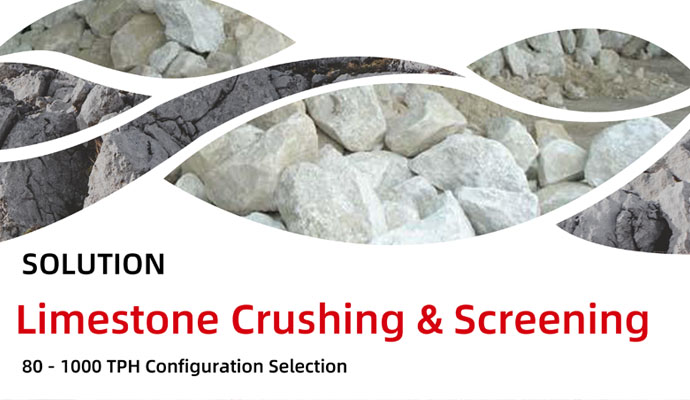
Limestone is the workhorse feed of the aggregate industry — abundant, moderately soft, low in silica — and it is the application where impact crushers earn their place. Get the configuration right and limestone offers some of the lowest crushing costs per tonne in the industry. Get it wrong (usually with feed assumptions) and wet, sticky, contaminated limestone will stop a line faster than any hard rock.

Why Limestone Is Different
Lower hardness and silica. Typical compressive strengths sit far below granite's, and low quartz content means abrasive wear is moderate. Wear parts last longer per tonne — cost per tonne is won on configuration and uptime.
Impact crushing is efficient here. With low-abrasiveness feed, impact crushers deliver excellent reduction ratios and particle shape at lower capital cost than a cone line.
The real enemy is moisture and contamination. Wet limestone packs chambers and screen meshes; clay layers and overburden blind screens. Dry, clean feed is what keeps the flow running.
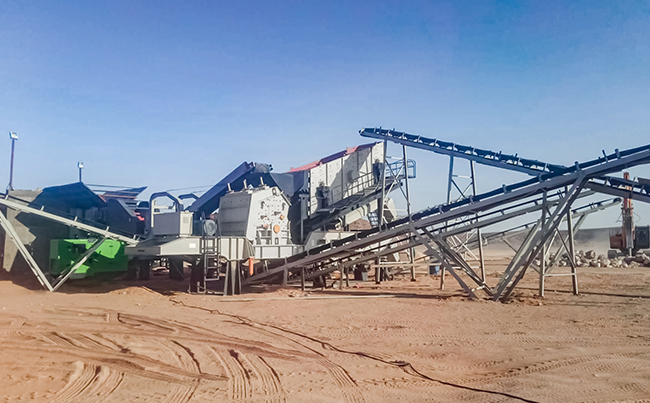
Recommended Crushing and Screening Flow
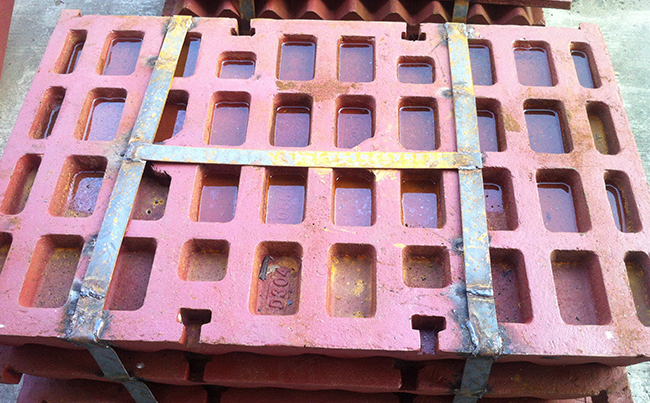
Primary — jaw crusher or impactor. For large feed top size, a jaw crusher takes the first reduction; jaw plates in standard high-manganese grades typically perform well here, given limestone's moderate abrasiveness.
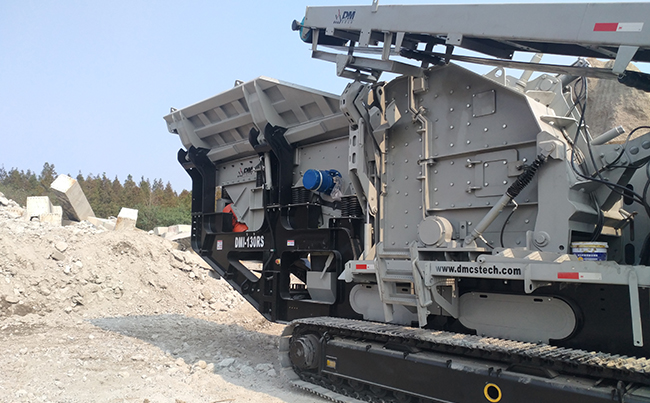
Secondary — impact crusher. This is where limestone lines shine: one impact stage can achieve what takes two cone stages on hard rock, with better shape. Blow bars in high-chrome grades usually deliver long life on clean limestone — see our blow bar material options.
Tertiary/shaping — optional impactor. Where product shape or manufactured sand is required, a second impact stage or VSI shapes the product.
Screening. Multi-deck separation into commercial sizes; oversize returns to the impact crusher. For wet feed, plan for screen mesh cleaning systems and steeper deck angles.
Wear Parts That Matter on Limestone
Position | Part | Limestone-specific consideration |
Primary | Jaw plates | Standard Mn13 grades often sufficient; verify against actual SiO₂ content |
Secondary | Blow bars | High chrome excels on clean limestone; switch grade if feed carries scrap or hard banding |
Impact crusher | Impact plates & apron liners | Moderate wear; inspect at every bar change |
Screens | Screen meshes | Blinding (not aperture wear) is the usual limestone problem — wet feed management matters more than mesh grade |
Conveyors | Scrapers, skirts | Sticky fines build-up; keep cleaning systems maintained |
Two Cost Traps on Limestone
Assuming "limestone is soft" everywhere. Some limestone formations carry hard silica banding or chert nodules. A week of unexpectedly short blow bar life is the classic symptom — check the feed geology before blaming the parts.
Ignoring wet-feed handling. Packing in the impact chamber and blinded screens cost more uptime on limestone plants than liner wear does. Feed moisture management (grizzly, drying strategy, screen cleaning) belongs in the design, not as an afterthought.
Get a Configuration Proposal
Tell us your capacity, product sizes and typical feed moisture — we will propose a flow and quote matched wear parts. Contact us for a limestone solution.
Related Tags
limestone
Latest Updates
Limestone Crushing and Screening Solutions
14-Oct-2026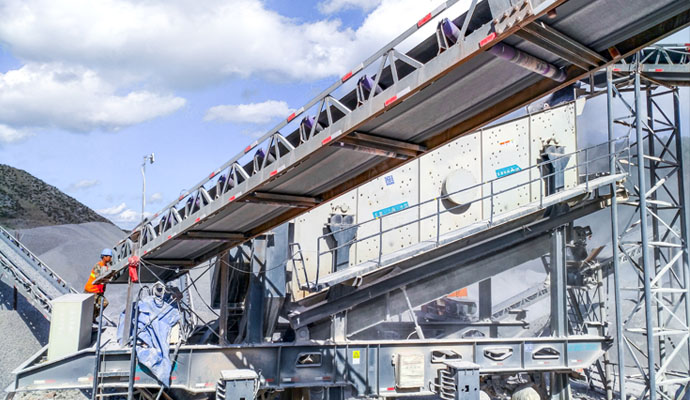
Follow Us
Keeping crushing and screening equipment running worldwide.
Sign Up To Newsletter
Join 60,000+ subscribers and get the latest news on parts every week.
Post Comment