

Recycled concrete is one of the fastest-growing aggregate applications: demolition waste in, saleable base course and recycled aggregate out. The economics are attractive — the feed is nearly free, and environmental regulation increasingly favours recycled material. But the feed is also the most unpredictable in the industry, and the plant must be designed for that from day one.

Why Concrete Feed Is Unlike Any Other
Heterogeneous. One load contains strong concrete, weak plaster, brick, asphalt chunks, wood and soil. Product quality control starts at the feed, not at the screen.
Buried steel. Rebar, mesh and dowels run through the feed. Uncrushable metal reaching the crusher's rotor is the single biggest risk to equipment and the reason material selection rules differ from natural aggregate.
Contamination control drives price. Recycled aggregate specification limits on foreign matter mean the plant's screening and decontamination stages directly determine what you can sell the product as.
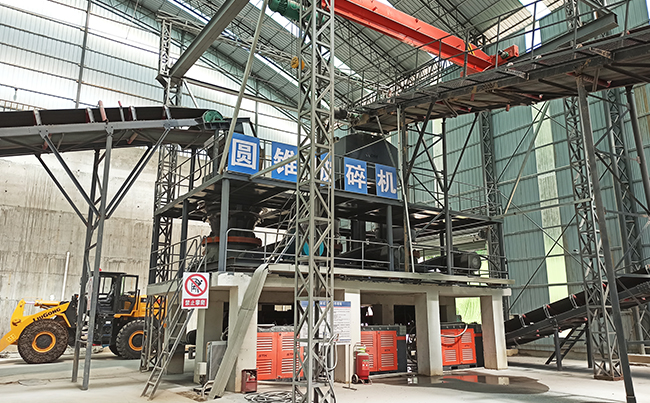
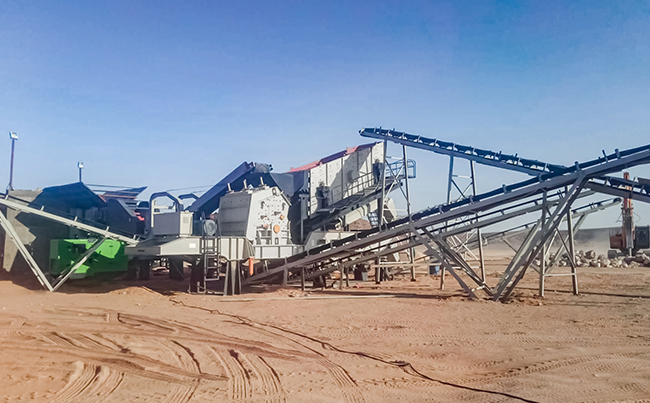
Recommended Crushing and Screening Flow
Pre-sorting and feed control. Excavator or loader sorting at the face; removing oversized slabs and obvious steel before the crusher. A picking station or sorting screen upstream pays for itself quickly.
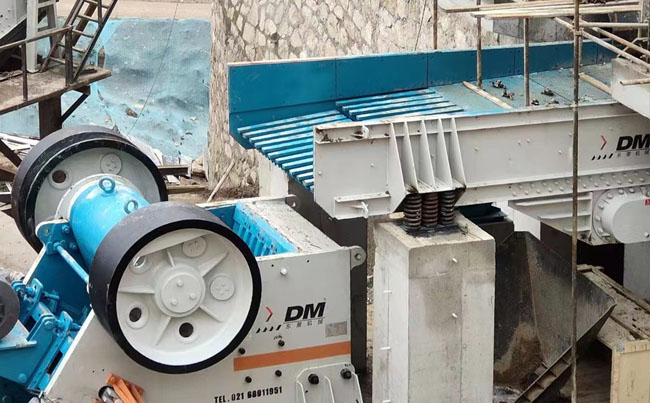
Primary — jaw crusher (or direct-fed impactor on smaller plants). Jaw plates in tough manganese grades; the abrasive content of concrete is moderate, but steel contact argues against brittle plate selections.
Magnetic separation — before and after the crusher. Overband magnets on the feed conveyor pull rebar before it reaches the chamber; a second magnet after crushing catches liberated steel. This stage is non-negotiable in recycle duty.
Secondary — impact crusher. The standard choice for concrete: impact action liberates mortar from aggregate and produces the cubical shape recyclers need. Blow bars in martensitic steel are the usual selection — high-chrome bars risk fracture on tramp steel, while martensitic survives the occasional metal event. See our blow bar material options.
Screening and decontamination. Multi-deck screens plus air/light-fraction separation (wood, plastic, insulation) upgrade product purity; undersize fines often sell as pipe-bedding or fill.
Optional — tertiary shaping where a higher-value recycled aggregate is the target.
Wear Parts Priorities on Recycle Duty
Position | Part | Recycle-specific consideration |
Impact crusher | Blow bars | Martensitic steel standard; flip at half-life; expect more frequent changeouts than natural aggregate |
Impact crusher | Impact plates, apron liners | Inspect at every bar change; steel strikes damage edges too |
Impact crusher | Rotor | Balance check at every bar changeout — steel strikes unbalance rotors |
Feed system | Hopper liners, feed plates | Abrasive rubble wear; magnetic separators need service too |
Screens | Screen meshes | Blinding from wet mortar fines; plan cleaning |
Conveyors | Belts, scrapers | Sharp rebar ends and rubble are belt killers — impact beds at transfer points |
Three Rules That Separate Good Recycle Plants from Expensive Ones
Magnets before the crusher, serviced like production equipment. Most rotor damage in recycle duty traces back to a failed or neglected magnet.
Product value is decided upstream. Sorting at the feed determines contamination levels; no amount of downstream screening fully fixes a dirty feed.
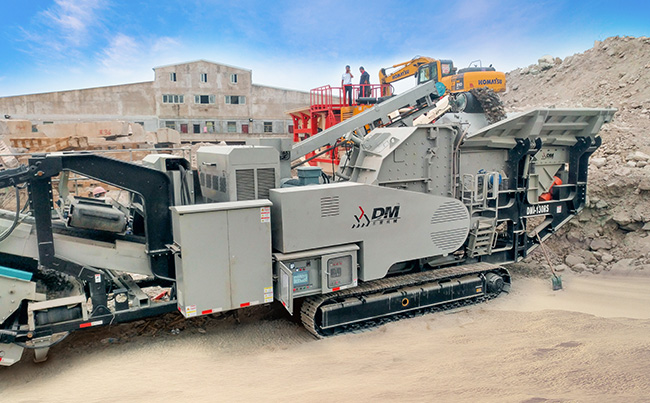
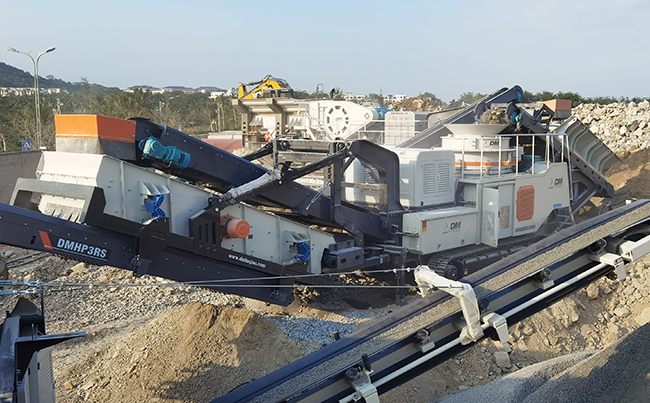
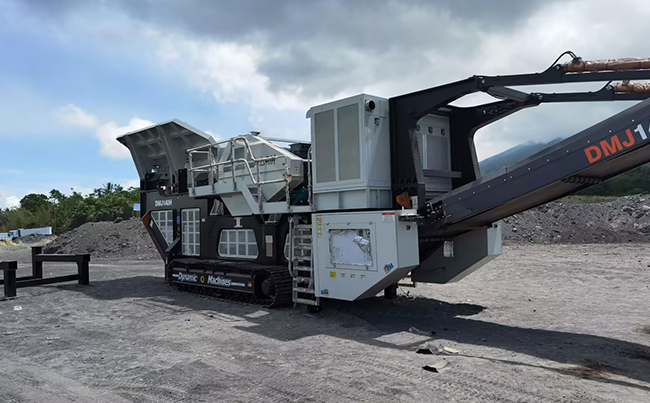
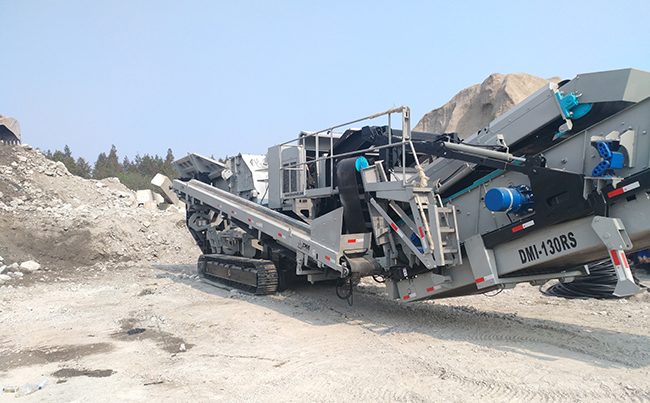
Mobile configuration fits this application. Track-mounted impact plants move between demolition sites and crush on location — see our mobile crushing wear parts checklist for the spares planning logic.
Get a Configuration Proposal
Send us your feed description (source, contamination level), target recycled aggregate specification and capacity — we will propose the flow and quote wear parts sized for recycle duty. Contact us for a concrete recycling solution.
Latest Updates


Limestone Crushing and Screening Solutions
27-Sep-2026
Follow Us
Keeping crushing and screening equipment running worldwide.
Sign Up To Newsletter
Join 60,000+ subscribers and get the latest news on parts every week.
Post Comment